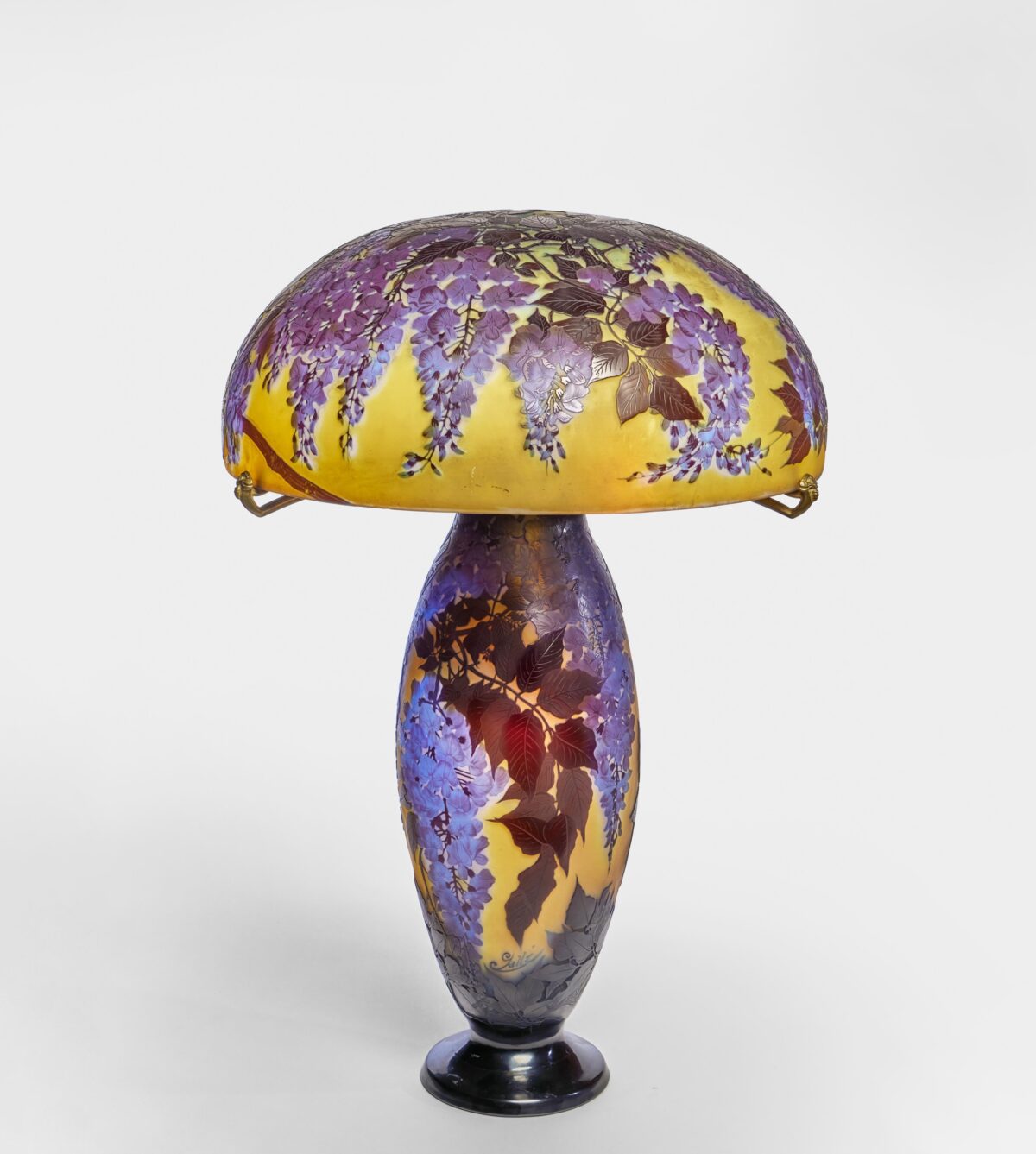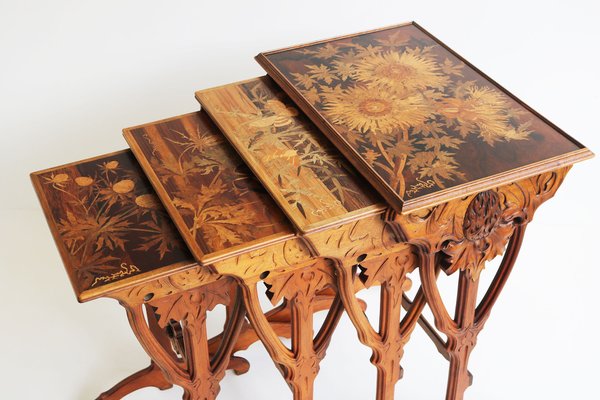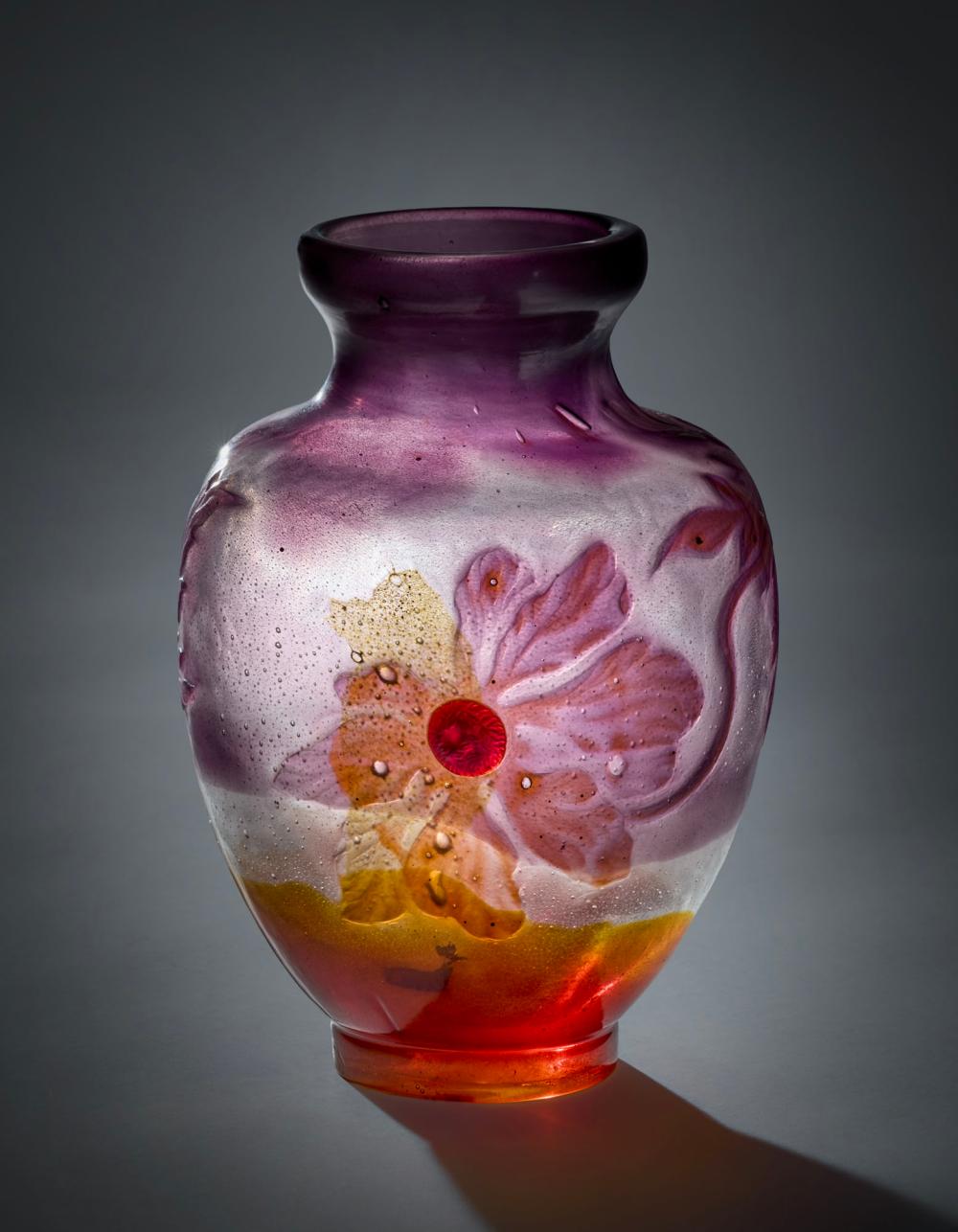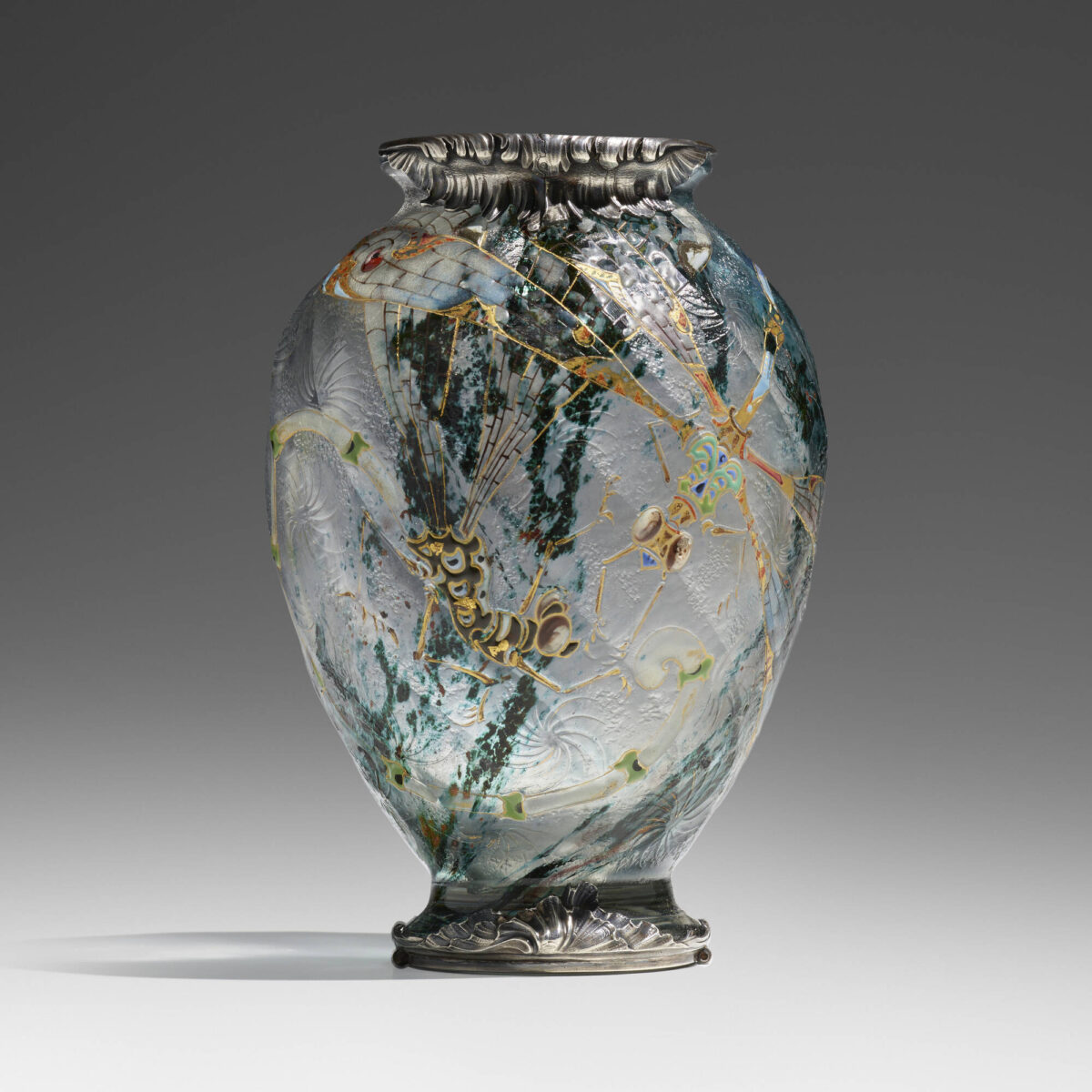
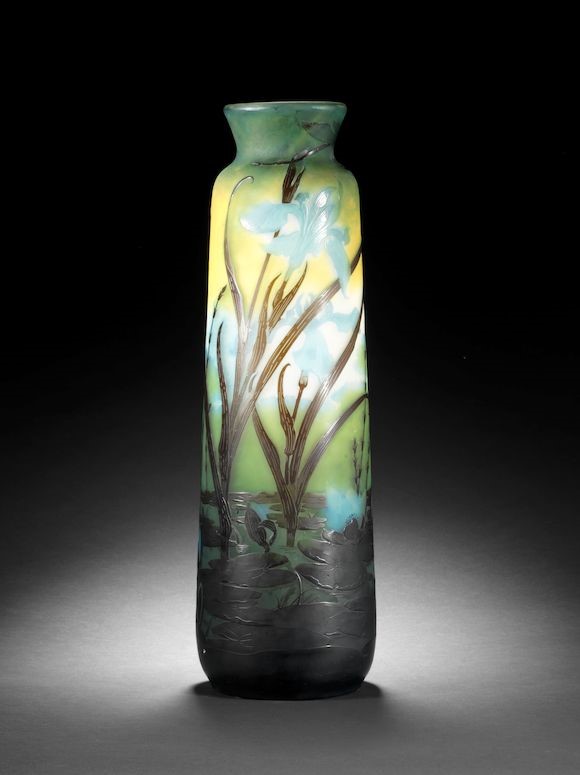
Some Art Nouveau glass is beautiful because it’s decorative. Work in the orbit of Émile Gallé is beautiful because it’s observant. Leaves aren’t generic flourishes; they look studied. Insects feel specific, not symbolic wallpaper. Even the mood—dusk, mist, late-summer warmth—can feel like a remembered walk, translated into glass or wood.
That’s the heart of Gallé collecting: nature isn’t a theme layered on at the end. It’s the blueprint. And once you see that, the “why” of his appeal becomes clearer. Collectors aren’t only chasing a name; they’re chasing a way of seeing—where botany, poetry, and technical experimentation all live in the same object.
This final post in the series ties the threads together: how nature shaped the design language, how innovation shaped the materials, and how collectors can use those ideas to buy smarter (and build a collection that feels intentional).
Continue reading “Nature, Art, and Innovation”