Imagine rummaging through a box of old postcards at a flea market and pulling out a small, vividly colored card—an image of a proud rooster crowing at sunrise with the words “Wake Up With Wilson’s Coffee” in ornate script. That, my fellow collectors, is a trade card—a pocket-sized salesman that once lived in people’s kitchen drawers and parlor tables over a century ago.
A 19th-Century Marketing Revolution
Trade cards rose to popularity in the United States after the Civil War, at a time when printing technology made colorful imagery cheaper than ever before. Chromolithography, a process allowing brilliant, multi-color images, brought advertising to life in a way that black-and-white newspapers never could.
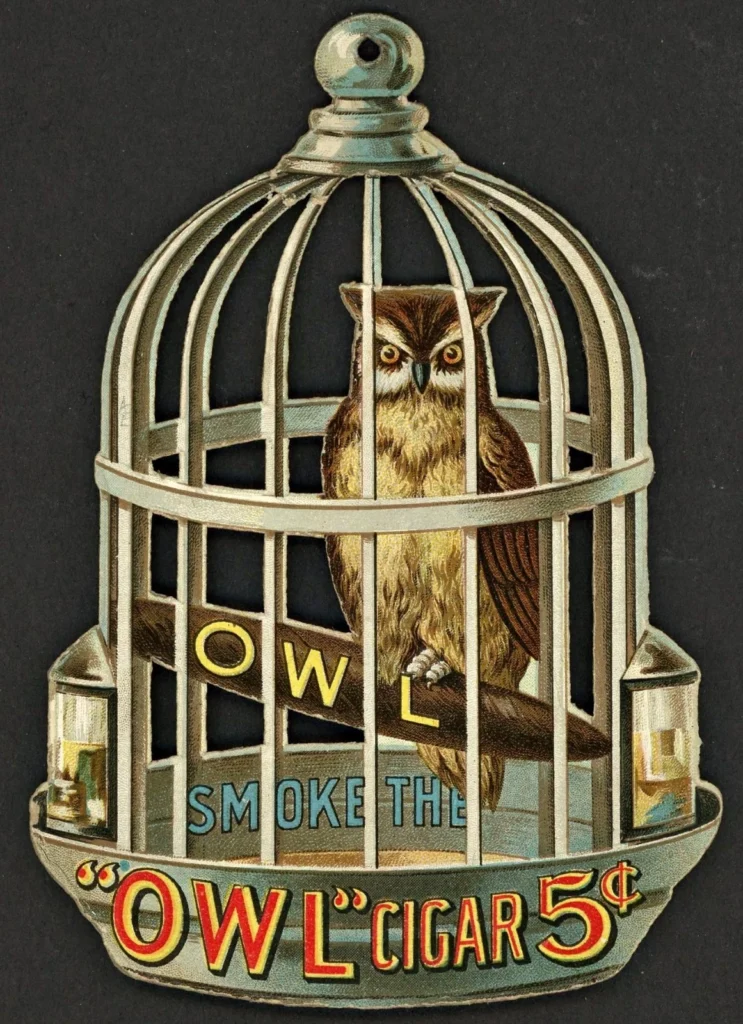
By the 1870s and 1880s, businesses of all sizes—from soap manufacturers and sewing machine companies to local grocers—were producing trade cards. Each card featured bright, often whimsical artwork on one side and an advertisement on the reverse. Some even had little jokes, puzzles, or collectible series to keep customers coming back for more.
More Than Just Ads
Trade cards weren’t tossed in the trash after one glance like modern mail flyers. People saved them, traded them, and pasted them into albums as treasured keepsakes. In a way they were precursors to today’s scrapbooks. These albums were a source of family entertainment, with children poring over colorful images of exotic animals, domestic scenes, and patriotic themes.
Companies quickly realized they could use trade cards to create customer loyalty. Think of them as an early form of brand storytelling. Instead of simply saying “Buy Our Soap,” a company might show a charming family scene, subtly weaving their product into an image of comfort and happiness.
Collector Tips for Trade Cards
- Condition Counts – Fading, creases, and album glue residue can impact value. Still, even “well-loved” cards have charm.
- Look for Local – Cards from small-town businesses that no longer exist are often rarer and more interesting than national chains.
- Beware of Reprints – Some reproduction cards were made for later nostalgia markets. Originals typically show age-appropriate paper wear and slightly raised ink from chromolithography.
- Store Properly – Use acid-free sleeves or albums to prevent further deterioration, and keep them away from sunlight.
Why They Matter Today
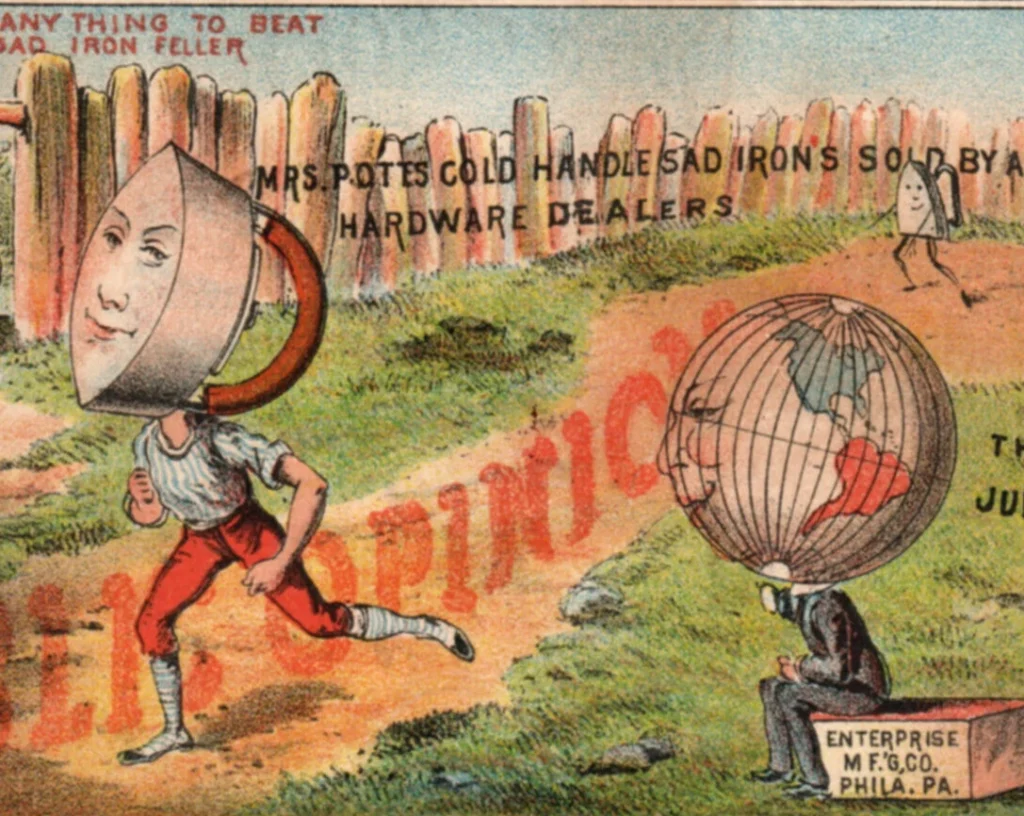
In an era when most advertising lives and dies on a smartphone screen, trade cards feel deeply personal. They’re an art form, a marketing tool, and a cultural snapshot all in one. Each one tells us not only what people bought, but what they valued—beauty, humor, and tangible connections to the businesses they trusted.
So, the next time you’re out hunting at an antique shop or flea market, keep an eye out for these tiny, colorful salesmen. They’re more than just paper—they’re slices of a time when advertising was art you could hold in your hand.
Did you enjoy this post?
I’d love to hear from you! Have you ever found an advertising giveaway that made your heart skip a beat—a pocket mirror, a porcelain sign, maybe even a rare travel bag? Share your favorite finds and stories in the comments below.
Want more antique and collectible insights?
Subscribe to the blog for deep dives into history, collector tips, and flea market adventures straight to your inbox. Don’t forget to share this post with friends who love antiques and history as much as you do!
Let’s Make History—one collectible at a time.