When you hold an advertising giveaway in your hands—a small tin of sewing needles, a porcelain-topped soda bottle opener, or even a pocket mirror with a forgotten company logo—you’re holding more than a trinket. You’re holding a story about commerce, culture, and how businesses wooed customers long before social media algorithms and influencer campaigns.
The Origins of Advertising Giveaways
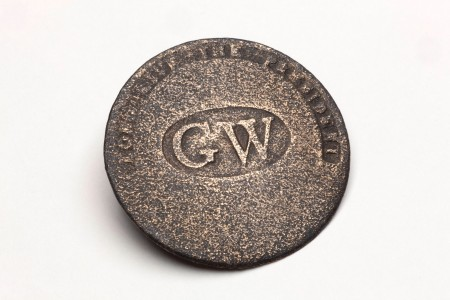
The idea of giving away promotional items isn’t new. These differ from premiums as they were given away with no purchase necessary and therefore can be rarer. The roots stretch back to the late 18th and early 19th centuries. One of the earliest known examples in the United States was the commemorative buttons made for George Washington’s 1789 presidential inauguration. While not a giveaway in the modern commercial sense, it proved something important: people loved keepsakes, and those keepsakes could carry a message.
By the mid-19th century, with industrialization booming, businesses began using branded giveaways to keep their names in customers’ minds. Think about it—there were no online ads, commercials, or radio jingles. If a local dry goods store handed you a useful item with their name on it, you kept it, you used it, and every time you did, you were reminded where to shop.
The Golden Age of Giveaways
The late 19th and early 20th centuries—often called the “Golden Age of Advertising Specialties”—produced many of the most collectible items today. Businesses competed fiercely for customer loyalty, and giveaway items became miniature ambassadors of their brands. Some of the most popular examples include:
- Calendars: Practical and perfect for keeping a business’s name visible all year long.
- Pocket Mirrors: Especially popular with women; they fit easily into a handbag and were often beautifully decorated.
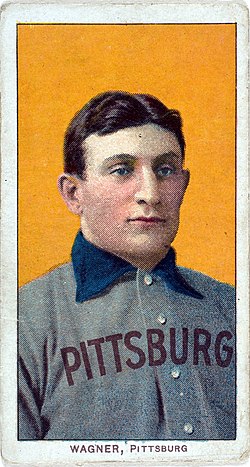
- Trade Cards: Predecessors to baseball cards, these often featured colorful lithographs on one side and advertisements on the other.
- Porcelain and Tin Signs: Often given to merchants to display in windows or behind counters, creating free advertising exposure for the supplier.
One of the most famous turning points came in 1904 with the founding of the Advertising Specialty Association (ASA) (now PPAI), which formalized and expanded the promotional products industry. By then, companies weren’t just handing out items—they were designing entire marketing campaigns around them.
Why Collectors Love Them Today
Advertising giveaways offer an intimate connection to the past because they’re personal. Unlike mass-produced consumer goods, these items were meant to be kept close—used daily and even cherished. They capture snapshots of design trends, typography, and cultural attitudes of their time.
For example:
- A tin lithographed pencil box from the 1920s featuring a smiling baker may show early 20th-century ideas of domesticity and customer trust.
- A branded pocketknife from a long-defunct tractor company can tell the story of rural America and agricultural innovation.
- Even mid-century promotional items, like Tupperware party giveaways or airline travel bags, evoke the excitement of post-war consumer culture.
Tips for Collecting Advertising Giveaways
- Condition Matters: Many of these items were heavily used, so finding one in mint condition can be rare and rewarding.
- Rarity & Locality: Items from small local businesses that didn’t survive into the modern era are often more collectible than those from big national brands.
- Check for Reproductions: Because some advertising collectibles have soared in value, reproductions are common. Familiarize yourself with original materials and manufacturing techniques from the era.
- Follow Your Passion: Whether you love soda memorabilia, beauty products, or agricultural implements, there’s a niche for you.
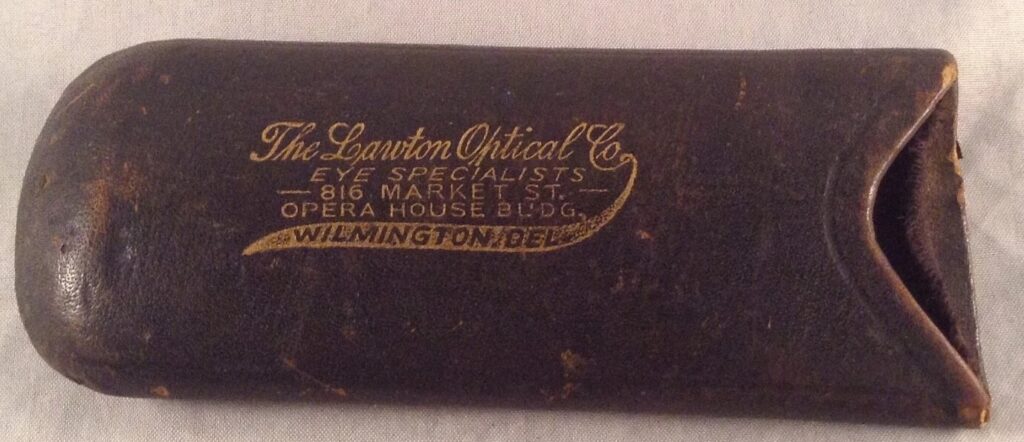
A Tangible Link to a Bygone Era
Advertising giveaways remind us of a time when building a customer relationship meant something tactile—a gift someone could hold, use, and keep. In an era saturated with digital impressions that disappear in seconds, these relics of marketing past feel almost revolutionary in their simplicity and durability.
So next time you see an enamel pin stamped with a forgotten company name or a small promotional sewing kit at a flea market, take a second look. You might not just be holding an antique—you could be holding a slice of everyday life from over a century ago.
Did you enjoy this post?
I’d love to hear from you! Have you ever found an advertising giveaway that made your heart skip a beat—a pocket mirror, a porcelain sign, maybe even a rare travel bag? Share your favorite finds and stories in the comments below.
Want more antique and collectible insights?
Subscribe to the blog for deep dives into history, collector tips, and flea market adventures straight to your inbox. Don’t forget to share this post with friends who love antiques and history as much as you do!
Let’s Make History—one collectible at a time.