
Lace has always been a little bit of magic in textile form. It can soften a hard line, add lightness to a heavy fabric, or turn something plain into something memorable with just a few inches of pattern. That’s why lace shows up everywhere collectors love to look: on clothing details that signal an era, and on home textiles that tell you how people wanted a room to feel—welcoming, refined, romantic, or simply “finished.”
In fashion, lace has been used to frame faces, highlight cuffs, edge hems, and add drama without bulk. In home décor, it has shaped light through windows, protected furniture, dressed tables, and made ordinary bedrooms feel special. If you collect vintage clothing, linens, or textile fragments, understanding how lace was used (and why) makes shopping smarter—and makes your finds more meaningful.
Lace in clothing: why it stayed fashionable for centuries
Lace has held its place in fashion for a few consistent reasons:
- It adds detail without weight. Lace creates visual richness while staying light and flexible.
- It flatters and frames. Collars, necklines, sleeves, and cuffs are natural places to showcase lace.
- It signals occasion. Lace reads as “special,” even when the garment is otherwise simple.
- It adapts. Lace can be handmade, machine-made, crisp, soft, bold, airy, modern, or vintage-inspired.
Collectors often notice that lace usage changes with silhouette trends. When fashion favors structured shapes, lace may appear as crisp trims and collars. When fashion favors softness and flow, lace often becomes more abundant—insertions, panels, overlays, and layered effects.
Classic fashion placements collectors see again and again
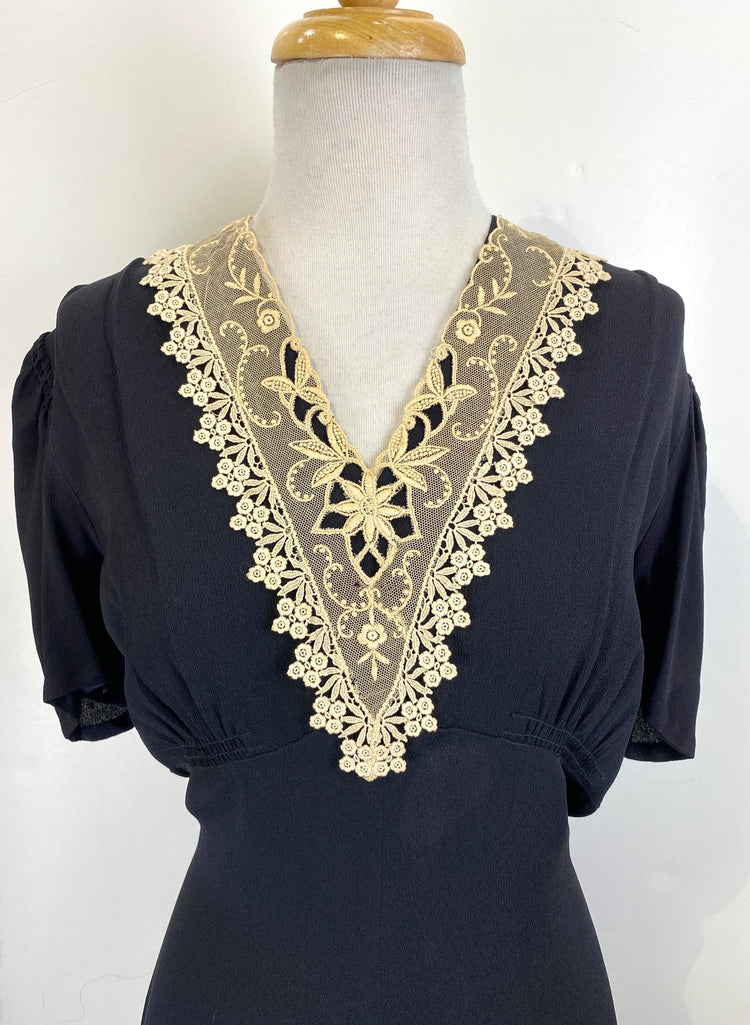
Collars, cuffs, and yokes
These are some of the most recognizable lace applications because they sit right where the eye goes first. A lace collar can instantly suggest “dressy,” “romantic,” or “period,” depending on shape and pattern.
Collector notes:
- Collars often show wear and staining from skin and hair products.
- Look for consistent aging between lace and fabric; mismatches can indicate later replacement.
- Check the attachment stitching—hand-sewn vs. machine-sewn can offer clues about age and alteration.
Lace insertions and panels
Insertions are narrow strips of lace used between fabric pieces, while panels can be larger. Both are common in blouses, dresses, slips, and nightwear.
Collector notes:
- Insertions can be delicate; inspect for snags, pulls, and small breaks.
- Panels can be stunning but check for stress points where lace meets heavier fabric.
Hem edges and flounces
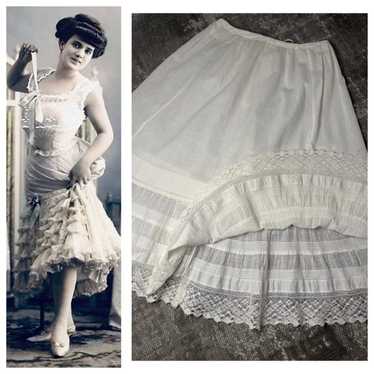
Lace hems and flounces can add movement and a “finished” look, especially in dresses, petticoats, and lingerie.
Collector notes:
- Hems collect damage: fraying, missing scallops, and repairs are common.
- If a piece was shortened, lace may have been removed and reattached—look for newer stitching.
Veils, bridal wear, and formal accessories
Lace has long been associated with bridal and formal wear, where it can be a focal textile rather than a trim.
Collector notes:
- Bridal lace often has storage issues: yellowing, brittleness, and staining.
- Provenance can add interest, but condition still rules value.
Lace by era (in broad, collector-friendly strokes)
Rather than locking into exact dates, it’s often more useful to recognize broad style shifts:
Victorian and late-19th-century romance
Collectors often associate this period with lace as a symbol of refinement—used on collars, undersleeves, bodices, and accessories. Lace appears frequently in both everyday “best” clothing and more formal pieces, often paired with structured silhouettes.
What to look for:
- narrow trims and insertions
- more structured placement (collars, cuffs, fronts)
- careful finishing and layered details
Edwardian and early-20th-century lightness
As silhouettes softened, lace often became more airy and abundant, especially in blouses and dresses with delicate detailing. Many collectors love this look because lace can feel like the star of the garment rather than an accent.
What to look for:
- lace yokes and blouse fronts
- delicate insertions paired with lightweight fabrics
- an overall “floating” effect
Mid-century practicality with pretty details
In many mid-century garments, lace becomes a familiar finishing touch: lingerie trims, dress accents, and home-sewing details that add charm without excessive cost.
What to look for:
- lace trims on slips and nightgowns
- lace overlays on dresses for special occasions
- consistent, repeatable patterns typical of machine-made lace
Late-20th-century revival waves
Lace cycles back through trends—sometimes bold and graphic, sometimes soft and romantic. These pieces can be very collectible when the design is strong and the condition is excellent.
What to look for:
- statement lace sleeves or bodices
- heavier lace overlays
- “vintage-inspired” looks that still have their own period feel
Lace in home décor: the quiet luxury of everyday textiles
If fashion is where lace makes an entrance, home décor is where lace settles in and becomes part of daily life. Lace home textiles often reflect two ideas at once:
- making a home feel cared for, and
- adding beauty without needing expensive materials.
Curtains and window panels
Lace curtains filter light in a way that feels instantly nostalgic. They can be delicate, bold, floral, geometric, or deeply patterned.
Collector notes:
- Check for sun fading (often uneven across folds).
- Inspect for dry rot or brittleness if stored in heat or sunlight.
- Look for clean edges and intact hems—repairs are common but should be stable.
Table linens: runners, toppers, and doilies
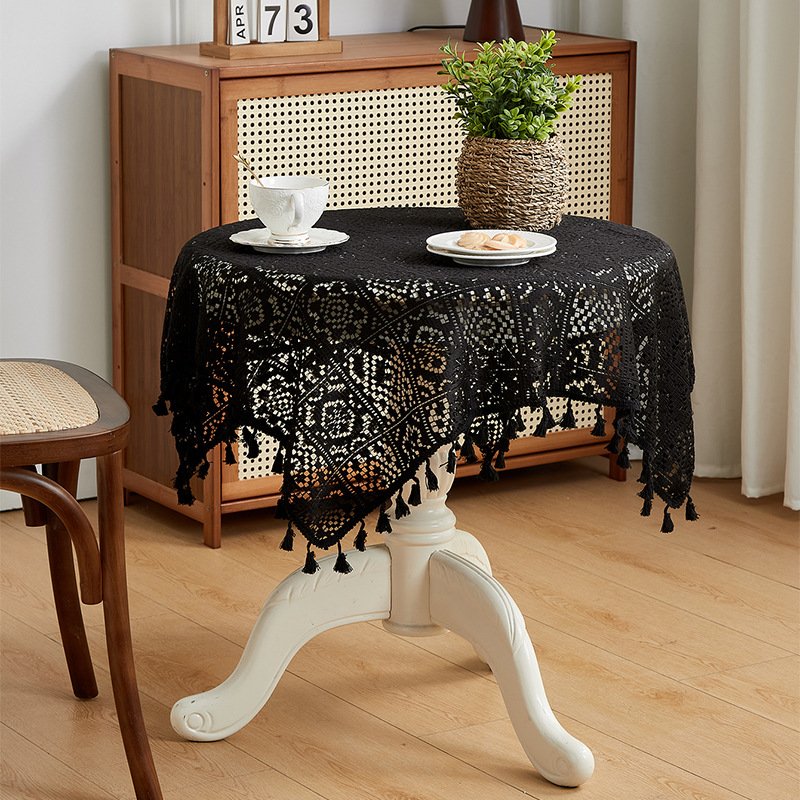
Lace on a table can be formal or cozy, depending on pattern and pairing. Doilies and toppers also served a practical role: protecting surfaces while adding a decorative layer.
Collector notes:
- Table lace often has stains—tea, coffee, oils.
- Minor discoloration can be acceptable for display; heavy staining impacts value.
- Crisp, intact edges and pleasing symmetry tend to collect well.
Antimacassars and chair accents
These pieces were often placed on chair backs and arms to protect upholstery from hair oils and wear—while also “dressing” the room.
Collector notes:
- They’re often found in pairs or sets; sets can add value.
- Look for consistent color and matching patterns across pieces.
Pillow shams, bed linens, and bedroom details
Lace made bedrooms feel refined and “complete,” especially when paired with crisp cotton or linen. Lace trim on pillowcases and sheets is common in vintage linens and makes a beautiful, displayable collectible even when the textile is no longer perfect for daily use.
Collector notes:
- Check the base fabric for thin spots even if the lace looks great.
- Inspect seams and stress points for tears near lace insertions.
Handmade vs. machine-made lace in fashion and décor
You don’t have to choose sides—many collections happily include both. But it helps to know what you’re buying.
Handmade lace tends to show:
- subtle irregularity (a “handwritten” quality)
- labor-intensive detail in motifs and fillings
- higher fragility in very fine examples
- stronger collector interest when condition is exceptional
Machine-made lace tends to offer:
- consistent repeats and uniform structure
- wider availability (especially in trims and home textiles)
- strong variety in style and texture
- excellent value for decorative displays and project use
A practical collector approach: buy handmade lace when you want artistry and rarity, and buy machine-made lace when you want breadth, pattern variety, and usable yardage.
Collecting lace in clothing and décor: what to check before you buy
Condition checklist (fast but effective)
- Holes and breaks: especially along folds, edges, and stress points
- Repairs: stable mends are fine; sloppy repairs may distract
- Stains: decide whether the item is for use or display
- Brittleness: handle minimally if the lace feels fragile
- Odor: musty storage smells can be hard to remove and may indicate moisture exposure
- Color match: watch for lace that’s noticeably whiter/yellower than the base fabric (possible replacement)
Use vs. display decision
Not every lace item needs to be “wearable” to be worth collecting. Some pieces become better as:
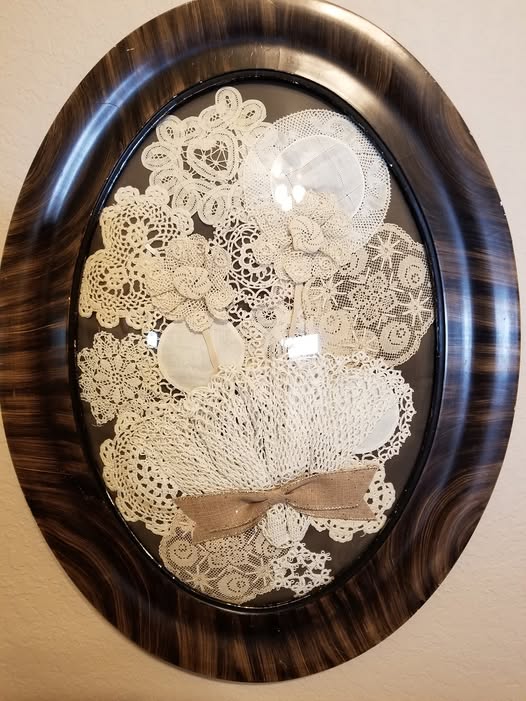
- framed textile art
- shadow-box displays
- layered décor accents
- reference samples (especially for sewists and restorers)
Knowing your intent helps you buy confidently even when condition isn’t perfect.
Styling lace at home today (without making it feel fussy)
Lace can be surprisingly modern when it’s used with contrast and restraint.
Try:
- a lace runner over a simple wood table
- a small lace piece layered over linen in a frame
- a lace curtain panel paired with minimal hardware
- a single lace pillow sham as an accent, not a full set
- grouping lace with natural textures: wood, matte ceramics, baskets
Collectors often find that lace looks best when it isn’t competing with busy patterns. Give it space and a calm backdrop.
A simple “starter plan” for lace collectors
If you want to build a lace collection that feels curated:
- Choose a focus: fashion lace, home lace, or a mix.
- Pick one signature category: collars, doilies, curtain panels, or trims.
- Buy three pieces that show different lace types or patterns.
- Display one, store two, and rotate seasonally.
- Upgrade over time: keep the best examples and let the rest go.
Lace collecting becomes deeply satisfying when you stop buying “any lace” and start buying lace that fits your story—your style, your home, your sense of history.
Let’s Make History—one lace edge at a time.