
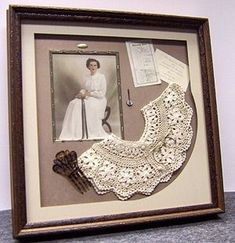
Antique lace is one of the most beautiful “survivor textiles” you can collect. It was meant to be worn, washed, folded, tucked into drawers, stitched onto garments, and used in the everyday life of a home. The fact that any piece made it to your hands—still patterned, still airy, still delicate—is part of what makes it so special.
But lace is also honest. It shows age quickly: a pulled thread here, a brittle fold line there, a faint yellowing from storage. The good news is that preserving lace doesn’t require turning your home into a museum. With a few smart habits—gentle handling, stable storage, and display that avoids the big hazards—you can keep antique lace safe while still enjoying it.
This guide will walk you through practical preservation and display tips that work for collectors, whether you’re storing lace trims in an archival box or framing a stunning border as textile art.
Know what you’re working with: why lace is vulnerable
Lace is essentially structure made of thread, with lots of open space. That openwork beauty creates a few common vulnerabilities:
- Stress concentrates at edges and joins (scallops, picots, and connecting bars are often the first to break)
- Folds create weak lines over time, especially if the lace is stored the same way for years
- Snags are easy because loops and open areas catch on rough skin, jewelry, and storage materials
- Light and moisture damage show quickly because lace is often pale and fine
A collector-friendly mindset: treat lace like a delicate drawing—support it fully, keep it away from harsh environments, and display it with intention.
Handling antique lace: small habits that prevent big damage
The easiest preservation wins come from how you handle lace in the moment.
The “support and slow” rule
- Always support lace fully when lifting—especially larger pieces.
- Move slowly and avoid letting lace dangle, which puts stress on weak areas.
Clean hands, minimal friction
- Handle with clean, dry hands and avoid lotions right before handling.
- Remove rings or bracelets that snag.
- If lace is extremely fragile or brittle, minimal handling is best.
Use a safe surface
When inspecting or photographing lace, use:
- a clean, smooth table
- a soft white cloth or washed cotton sheet beneath it
Avoid textured surfaces that can catch threads.
Condition check: what to look for before you store or display
Before you decide whether a piece should be stored flat, rolled, framed, or simply admired and put away, do a quick condition scan.
Common issues collectors see
- Holes and breaks: especially along folds and edges
- Pulled threads: look like runs or distorted mesh
- Repairs: tiny stitches or replacement threads that don’t match
- Brittleness: lace feels stiff, crackly, or weak at folds
- Discoloration: overall yellowing, spot stains, or uneven darkening
- Metal-related staining: sometimes caused by old pins, hooks, or fasteners stored with lace
A simple triage system
- Stable lace: safe for gentle display and careful handling
- Vulnerable lace: display only with full support and minimal stress
- Brittle lace: best stored safely; display only occasionally and with caution
Storage basics: the goal is stable, dark, dry, and supported
You don’t need perfect conditions to preserve lace—you need consistent conditions and smart materials.
The biggest storage enemies
- Direct light (fades and weakens fibers over time)
- Humidity swings (encourages mildew and weakens fibers)
- Heat (accelerates aging and brittleness)
- Acidic paper and cardboard (can contribute to discoloration)
- Plastic that traps moisture (can create a microclimate that isn’t lace-friendly)
Best practice: store lace in the dark, supported, and cushioned
A collector-friendly approach:
- Use acid-free tissue to pad and support folds.
- Store in acid-free boxes or archival-quality containers.
- Keep lace away from basements, attics, and areas with big temperature swings.
How to store lace by type
Different lace forms want different storage solutions. Here’s a practical breakdown.
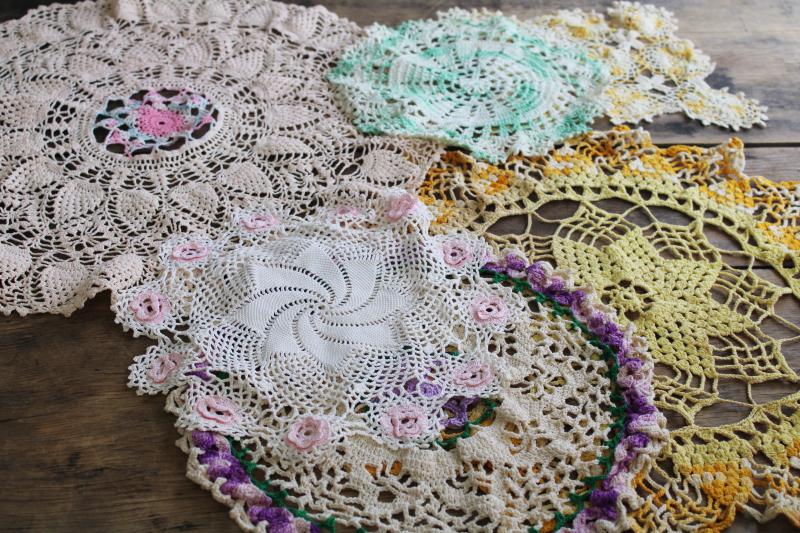
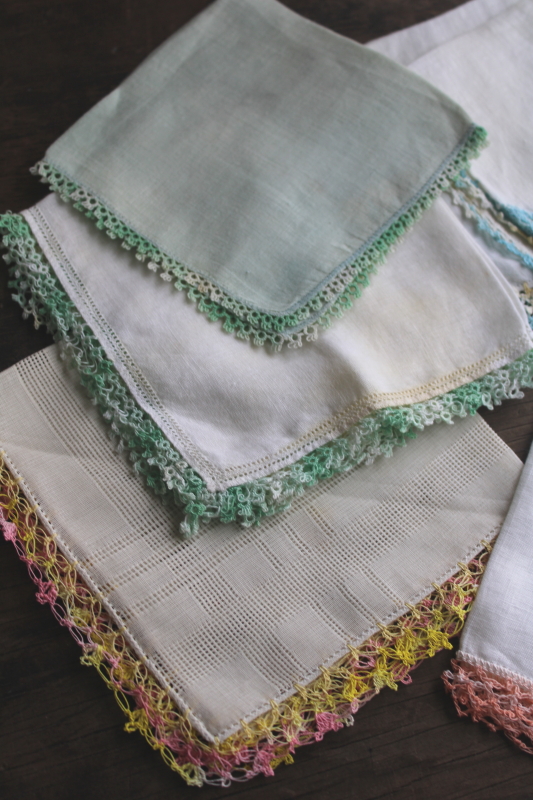
Small pieces: doilies, collars, trims, handkerchief lace
Best storage: flat in a shallow box, with tissue between layers.
Steps:
- Line the box with acid-free tissue.
- Lay one piece flat.
- Add tissue as an interleaving layer.
- Stack gently, avoiding heavy pressure.
If you must fold, fold loosely and pad folds with tissue to reduce sharp crease lines.
Long trims and borders
Best storage: rolled if length allows, or loosely folded with tissue buffering.
Options:
- Roll on an acid-free tube (or a clean tube wrapped in washed cotton) and cover with tissue or unbleached cotton.
- If rolling isn’t possible, accordion-fold loosely with tissue padding at each fold.
Larger pieces: shawls, veil-like items, large runners
Best storage: as flat as possible, with wide support.
Tips:
- Store flat in a larger box if you can.
- If folding is necessary, change the fold pattern occasionally so stress doesn’t stay in one line forever.
Cleaning antique lace: when to leave it alone
Collectors often feel tempted to “make it white again.” Resist that impulse unless you’re confident the lace is stable and the cleaning method is gentle.
When not to clean
- Lace feels brittle or fragile.
- There are areas with heavy breaks or thread loss.
- The piece has unknown dyes, unusual fibers, or attached elements (metal fasteners, mixed materials).
If you do clean, keep it conservative
For many collectors, the safest approach is:
- gentle surface dusting
- spot attention only when necessary
- professional textile cleaning for valuable heirloom pieces
Aging and mild discoloration are not “failure.” They’re part of what makes antique lace honest.
Displaying antique lace: make it visible without stressing it
Lace is meant to be seen, but the display needs to protect it from the two big hazards: light and gravity.
Best display principle: full support
Lace displays best when it’s supported across its whole surface, not hanging by a few points.
Framing lace as textile art
Framing is one of the most satisfying ways to display lace because it turns a fragile textile into a stable, wall-ready piece.
How to frame lace safely (collector approach)
- Mount lace over a fabric backing (linen, cotton, or another smooth textile) so the pattern pops.
- Choose a backing color that provides contrast: dark for visual drama, light for subtlety.
- Avoid permanent adhesives directly on lace.
- Use a frame deep enough that lace isn’t pressed harshly against glass.
What to frame
Lace that frames beautifully:
- scalloped borders
- wide trims with bold motifs
- collars and yokes
- symmetrical doilies (especially when centered over a contrasting fabric)
Light control matters
Even in a frame, lace should be kept out of direct sun. If you want long-term wall display, choose a placement with gentle light and consider rotating the piece seasonally.
Shadow boxes and textile “specimen” displays
Shadow boxes are ideal for lace that has dimension, delicate edges, or needs breathing room.
Great candidates:
- lace collars
- layered lace fragments
- a small group of trims arranged as a “lace sampler”
A “sampler” display is also a smart collector move: you can show multiple lace types (handmade and machine-made, net-based and motif-based) in one cohesive piece.
Draped and tabletop display: beautiful, but use carefully

Lace looks lovely draped on a dresser, layered over a tray, or used as a topper on a table. If you do this:
- treat it as occasional display, not permanent placement
- keep it away from food, oils, candles, and high-traffic snags
- avoid heavy objects placed on top
For daily living spaces, a “rotation system” protects lace while still letting you enjoy it.
A simple rotation plan for collectors
If you want to display lace without committing it to years of light exposure:
- Choose 2–4 display pieces.
- Display one for a limited stretch.
- Rest it in dark storage for a longer stretch.
- Rotate with the next piece.
This keeps lace visible and celebrated without stressing it constantly.
Protecting value: documentation and smart collecting habits
Preservation isn’t only physical—it’s also about keeping a record of what you have.
Easy documentation that pays off
- Photograph the piece flat (front and back if possible).
- Note approximate dimensions.
- Record where it came from (estate sale, family, antique shop).
- Note any repairs, stains, or fragile areas.
Over time, this becomes your personal lace reference library—and it’s surprisingly useful when you’re comparing new finds.
Quick “do and don’t” list for antique lace collectors
Do
- Store with acid-free tissue and full support.
- Keep lace away from humidity swings and direct sunlight.
- Handle slowly, supported, and with snag-free hands.
- Display with contrast so the pattern shines.
- Rotate display pieces to limit light exposure.
Don’t
- Hang fragile lace by a few points for long periods.
- Store lace in damp areas or sealed plastic that traps moisture.
- Force sharp folds or keep the same fold line for years.
- Assume every lace piece should be washed to be “right.”
Antique lace doesn’t need to be perfect to be collectible. It needs to be respected. When you store it thoughtfully and display it with support, lace becomes what it was always meant to be: a quiet showpiece—light as air, but full of history.
Let’s Make History—one preserved thread at a time.
Discover more from Dear June Collectibles
Subscribe to get the latest posts sent to your email.