There’s something undeniably striking about antique advertising signs. Bold, colorful, and built to last—much like the businesses they promoted—these relics capture attention like few other collectibles. Whether it’s a porcelain “Drink Coca-Cola” sign or a lithographed tin plate advertising a long-forgotten general store, these items have a way of stopping collectors in their tracks.
From Storefronts to History Books
Advertising signs became common in the late 19th century, as businesses sought ways to stand out in increasingly competitive markets. Unlike paper trade cards or pocket mirrors, signs were designed for durability and public display.
Tin signs were the first mass-produced option, using lithographed steel coated with tinplate to resist the elements. By the early 1900s, porcelain enamel signs entered the scene, offering even greater durability and vibrant color. Their glossy surfaces and ability to withstand sun, rain, and time made them perfect for outdoor use.
You could find signs on storefronts, gas stations, factories, and even barns. For decades, they were silent salesmen, broadcasting brand loyalty from miles away.
A Personal Moment
I once went to an auction and picked up a handful of porcelain signs—most just this side of vintage. I dare say I got them for a song, since I flipped every one of them for at least triple the purchase price within a month. Most sold in the first week. Even after nearly 13 years in the business, it’s still one of my favorite buying-and-selling stories.
Design & Themes
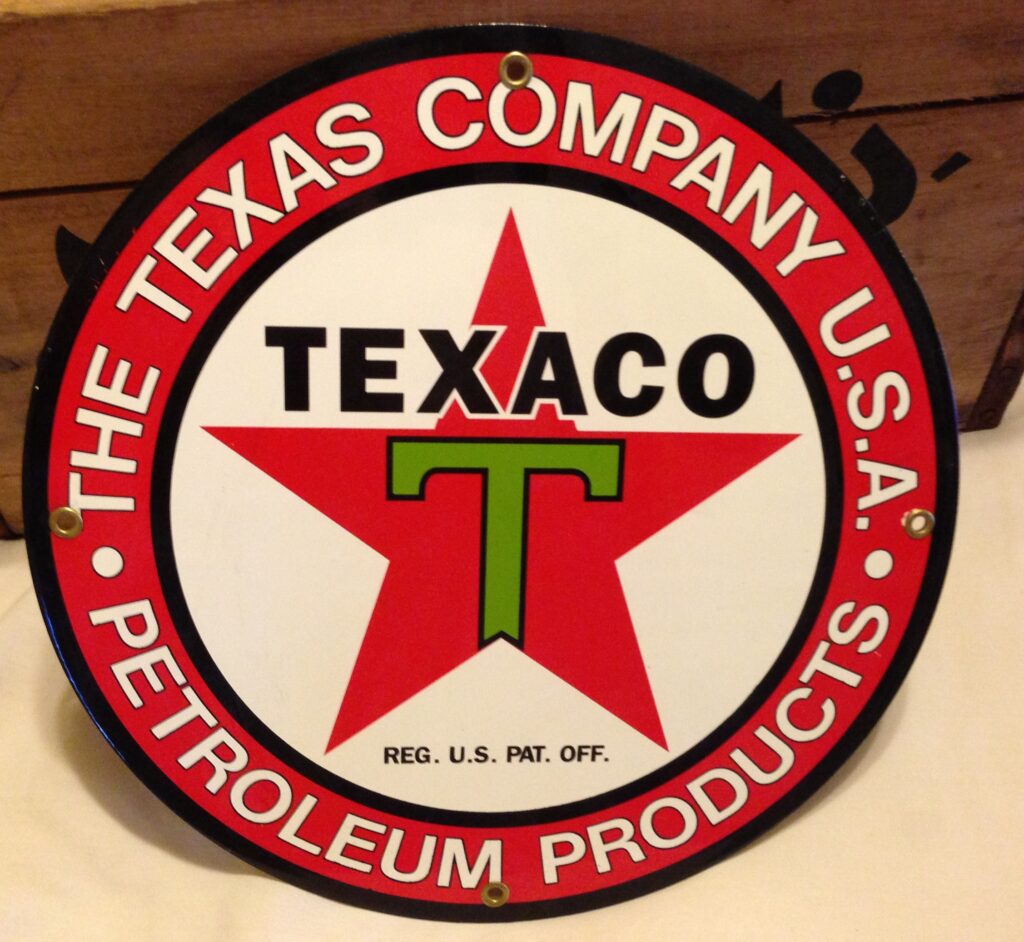
–Soft Drinks & Breweries: Coca-Cola, Pepsi, and local soda companies created some of the most iconic and colorful signs.
–Automotive & Gasoline: Gas stations, tire companies, and car dealerships loved bold enamel signs.
–Agricultural & Feed Companies: Many farm supply brands relied on large tin signs to draw farmers into town.
–Local Businesses: Grocery stores, hardware shops, and even ice cream parlors often had signs custom-printed with their own name.
Collector Tips for Tin & Porcelain Signs
- Check for Authenticity: Reproduction signs are common. They still look great and if you only want the “vintage look” without the price, they can be perfect. Look for correct mounting holes, age-appropriate wear, and accurate color schemes.
- Condition Matters (But Patina Has Value): While mint-condition signs bring top dollar, even worn or rusty originals often command strong collector interest.
- Size Affects Value: Smaller signs (easier to display) often attract more collectors, while very large signs can be both valuable and harder to store.
- Regional Rarity: Signs from small regional brands or businesses that no longer exist are often more desirable than mass-market chains.
Why They Matter Today
Tin and porcelain signs have become icons of Americana, admired not just by collectors but by interior designers and nostalgic decorators. They’re history you can hang on a wall—big, bold, and unapologetic about their purpose.
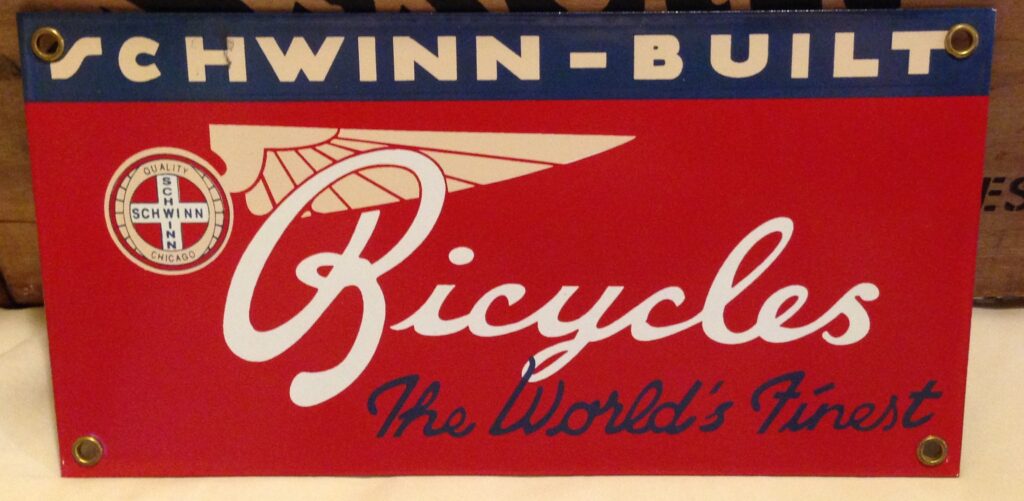
In an era of digital billboards and fast-scrolling feeds, these relics remind us of a time when advertising was built to last—literally.
Did you enjoy this post?
I’d love to hear from you! Have you ever found an advertising giveaway that made your heart skip a beat—a pocket mirror, a porcelain sign, maybe even a rare travel bag? Share your favorite finds and stories in the comments below.
Want more antique and collectible insights?
Subscribe to the blog for deep dives into history, collector tips, and flea market adventures straight to your inbox. Don’t forget to share this post with friends who love antiques and history as much as you do!
Let’s Make History—one collectible at a time.