Imagine it’s 1905. You’re at the local pharmacy picking up a prescription, and the pharmacist hands you a gift—a small, elegant pocket mirror with his store name on the back. It slips easily into your handbag or coat pocket, and every time you check your hair or touch up your face, you see his business name looking back at you. That’s the brilliance of antique advertising pocket mirrors: a perfect blend of utility and subtle marketing.
A Feminine Focus in Advertising
Pocket mirrors became popular giveaways in the late 19th and early 20th centuries. Unlike calendars or trade cards, these items targeted a specific audience: women. Businesses understood that women were decision-makers in household shopping, so why not give them something stylish and useful?
Pharmacies, beauty parlors, department stores, and even undertakers gave out these mirrors. The reverse side carried the business name and slogan, often printed on celluloid—a smooth, early plastic known for its glossy finish and durability.
Design & Craftsmanship
Early advertising mirrors were typically round and small enough to fit in a pocket or handbag. Many featured:
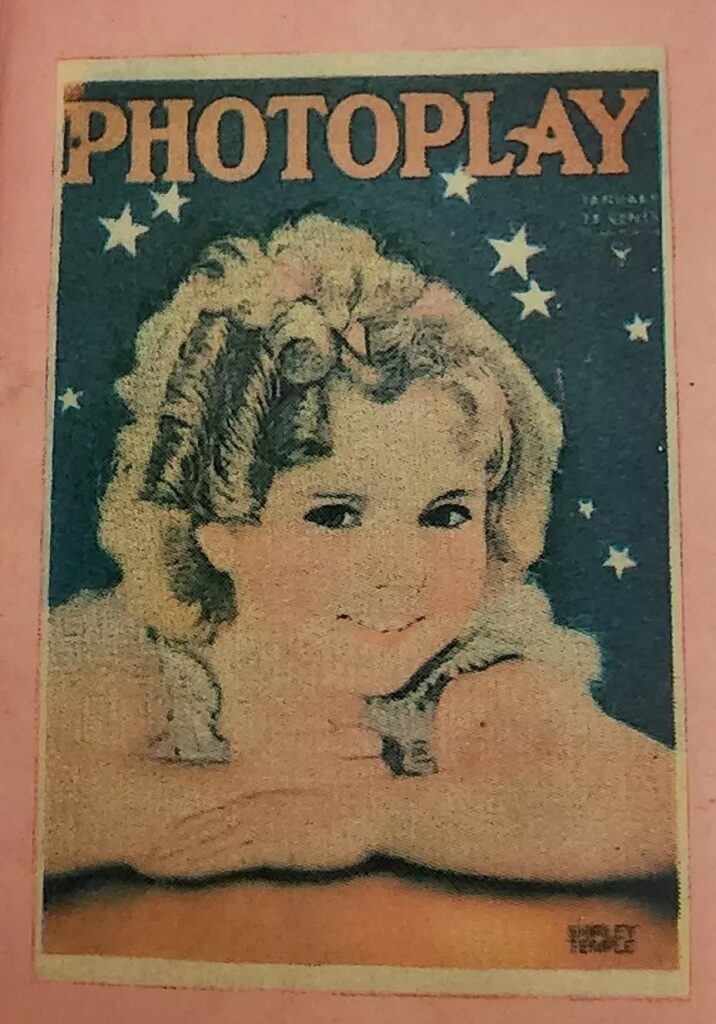
–Pastel Portraits & Floral Designs: Appealing to the era’s aesthetic tastes.
-Patriotic Imagery: Popular during wartime or national celebrations.
-Novelty Shapes: Some mirrors doubled as buttons, compacts, or even promotional toys.
By the 1920s and 30s, mirrors evolved into fashionable vanity items, often paired with powder puffs or lip rouge, making them more collectible and personal.
The Collector’s Perspective
Pocket mirrors offer something special to collectors: they’re small, affordable, and often feature beautiful period artwork. They also hold up well over time if stored properly, unlike paper items.
Collector Tips for Pocket Mirrors
- Check the Backing: Many antique mirrors have celluloid advertising panels. Look for discoloration or cracks, which can indicate age (and sometimes damage).
- Avoid Moisture Damage: Celluloid can warp or fade if exposed to humidity. Store in a dry place.
- Seek Unique Subjects: While pharmacy and beauty shop mirrors are common, rare advertising from small businesses or unusual industries (like undertakers or bicycle shops) can be quite valuable.
- Beware of Reproductions: Modern souvenir mirrors often imitate antique ones but lack the weight, fine printing, and slight patina of true early 20th-century celluloid.
Why They Matter Today
Pocket mirrors tell a quieter, more personal story of advertising. They’re not just corporate logos—they reflect how businesses courted loyalty through everyday, intimate objects. In a world of digital ads that disappear in seconds, these relics feel lasting and personal.
Did you enjoy this post?
I’d love to hear from you! Have you ever found an advertising giveaway that made your heart skip a beat—a pocket mirror, a porcelain sign, maybe even a rare travel bag? Share your favorite finds and stories in the comments below.
Want more antique and collectible insights?
Subscribe to the blog for deep dives into history, collector tips, and flea market adventures straight to your inbox. Don’t forget to share this post with friends who love antiques and history as much as you do!
Let’s Make History—one collectible at a time.