Rock and Roll Memorabilia You Can Hear and See
Rock and roll starts with sound—but the look and the gear come a close second. When people picture their favorite artists, they don’t just hear riffs and choruses. They see a jacket, a guitar, a pair of boots, maybe a drumhead with the band’s logo worn almost to nothing.
For collectors, that’s where stage-worn clothing and stage-used instruments come in. These are pieces that may have been there under the lights, in the heat, and in front of the crowd. When their history is documented, they become more than props. They can serve as physical evidence that a performance really took place.
This post walks through what “stage-worn” and “stage-used” usually mean, why these items matter to rock fans, and how collectors think about authenticity, condition, and care.
What Counts as Stage-Worn or Stage-Used?
In rock memorabilia, the labels people use actually matter. Sellers and collectors often lean on a few common terms.
Stage-worn clothing
Items the performer wore onstage during concerts or appearances. That might include jackets, shirts, pants, dresses, jumpsuits, shoes, hats, and accessories.
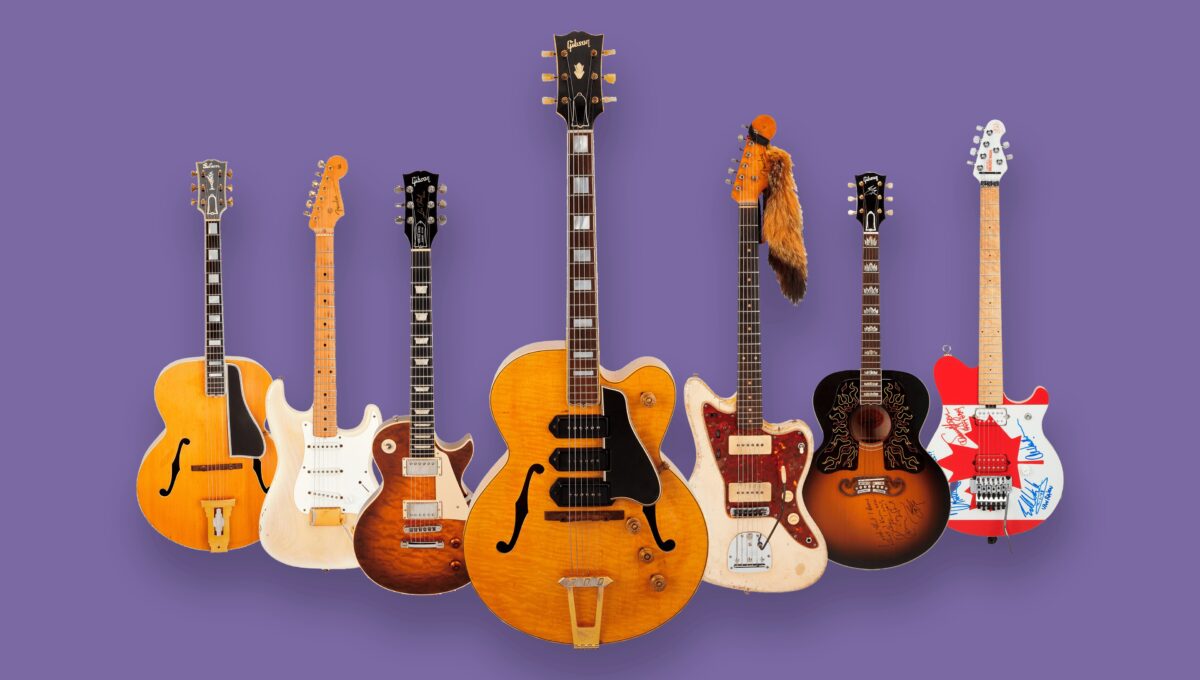
Stage-used instruments
Instruments played during live shows or, in some cases, in the studio—guitars, basses, drums, keyboards, microphones, and other gear.
Tour-used or tour-issued
Pieces linked to a specific tour, such as clothing made for crew members or instruments used mainly during one touring cycle.
Owned but not used
Items that belonged to an artist but don’t have clear evidence of stage or studio use. These can still interest collectors, but they sit in a different category than confirmed stage-worn or stage-used pieces.
In other words, not every item with a famous name attached carries the same weight. A T-shirt a band member wore once at home feels different from a jacket they wore on an album cover or across an entire tour. The same idea applies to instruments: a backup guitar that rarely left the rack isn’t the same as a main stage instrument that shows up again and again in photos.
Why Fans Care So Much About Clothing and Gear
Stage-worn clothing and instruments speak to fans on several levels.
1. They feel close to the performer
Posters and records give you the image and the sound. Clothing and instruments feel more physical and immediate. A stage jacket rested on the artist’s shoulders. A guitar or bass sat in their hands. A drumhead absorbed every hit during a set.
For many fans, that direct physical link matters. It turns “my favorite band on tour” from an abstract idea into something solid you can point to on a wall or a stand.
2. They freeze a moment in rock history
Certain outfits and instruments become strongly associated with particular eras, tours, or performances. When a piece ties cleanly to a specific time—say, a well-documented tour or a familiar video—it works like a time capsule.
- Clothing might match promo photos, tour programs, or live footage.
- Instruments might be recognizable from stage shots, music videos, or press sessions.
Collectors look for that visual match between the item in front of them and images fans already know. It makes the story feel concrete: this is the guitar from those photos, or this is the jacket from that run of shows.
3. They show the “working life” of rock and roll
Factory-fresh merchandise looks nice, but it doesn’t tell you much about what life onstage is like. Stage-worn clothing and instruments usually do.
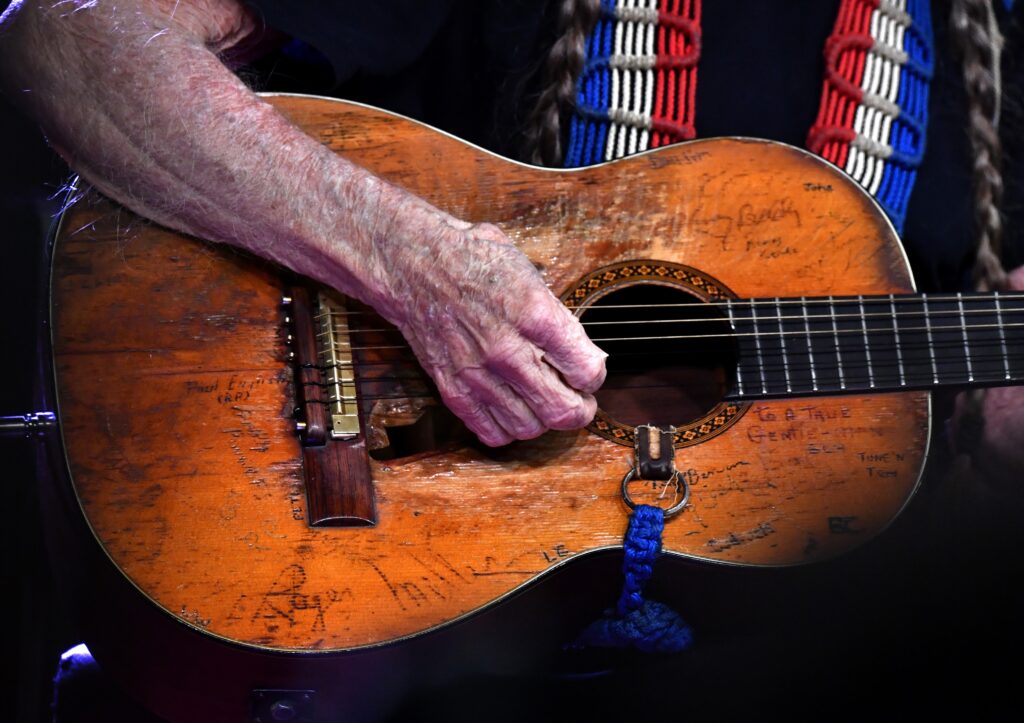
Faded fabric, re-sewn seams, strap button repairs, stickers, gaffer tape, and dings all point to regular use. Many collectors actually like that kind of honest wear:
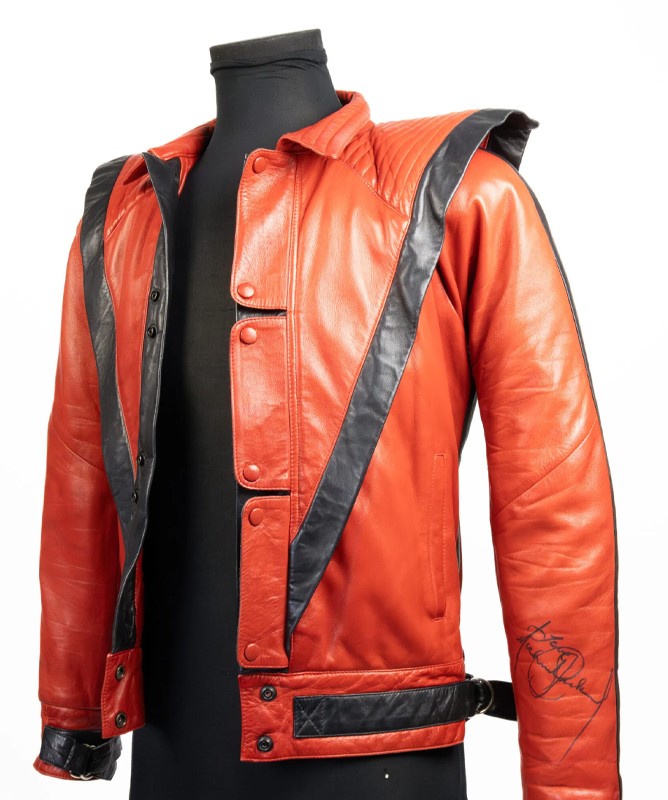
- A leather jacket with scuffs from repeated use.
- A guitar marked with pick scratches and buckle rash.
- Drumsticks with chipped tips and tape wrapped around the grip.
Those details hint at rehearsal, travel, and performance—not just style choices.
Common Types of Stage-Worn Clothing
Almost anything worn onstage can become memorabilia, but some categories show up especially often.
Jackets and outerwear
Jackets, blazers, leather coats, and embellished outerwear stand out in photos and videos. They’re easy to recognize from a distance and are often designed to pop under stage lights. That makes them some of the most visually striking clothing pieces in many collections.
Shirts, tops, and dresses
This category covers simple T-shirts, tailored shirts, vests, and stage dresses. These items might feature embroidery, band logos, or one-of-a-kind graphics. Matching a specific shirt to live photos or tour programs often plays a big role in confirming stage use.
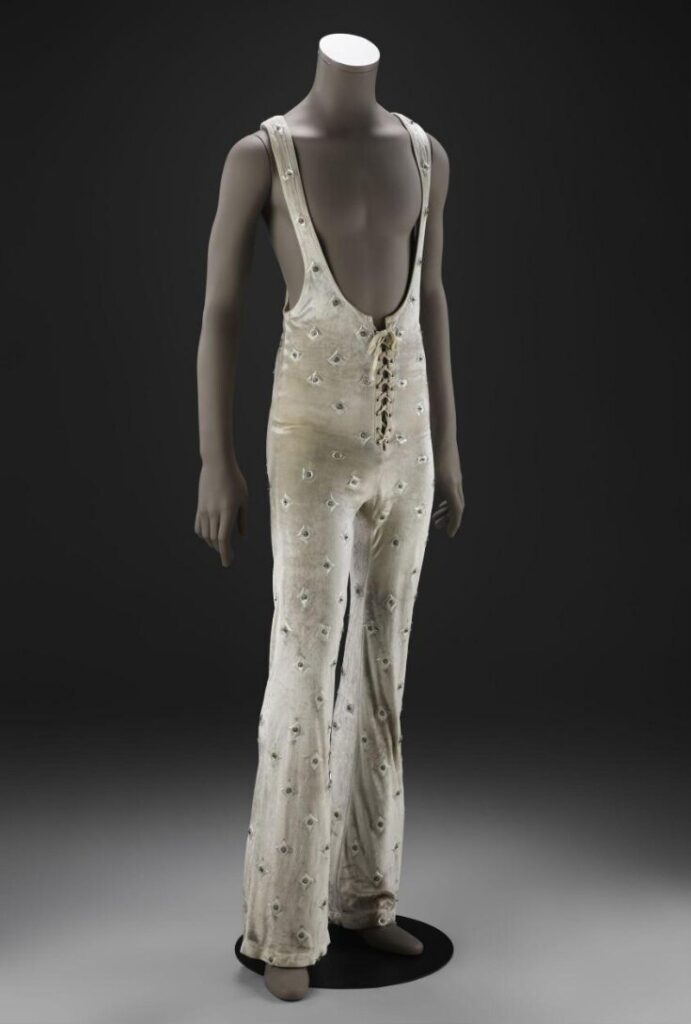
Pants, jumpsuits, and suits
Full outfits—suits, jumpsuits, and coordinated sets—tell a complete visual story. Because the whole look appears in photos and promo materials, they can be easier to tie to a particular era.
Shoes and accessories
Boots, shoes, belts, hats, scarves, and jewelry can also count as stage-worn pieces, especially if they show up regularly in images. They’re smaller and sometimes simpler to display than full outfits, which makes them appealing when space is limited.
Stage-Used Instruments: Tools of the Trade
Instruments bring their own set of questions and details.
Guitars and basses
Electric guitars and basses sit at the center of rock’s visual and musical identity. Stage-used examples often show:
- Fretboard wear in specific spots.
- Strap marks, buckle rash, or dings that repeat in the same areas.
- Modifications such as changed pickups, extra switches, or replaced hardware.
If a guitar or bass appears in many photos or videos, those same marks can help confirm that the instrument you’re looking at is the same one in the images.
Drums and drum hardware
Drum kits, individual drums, and drumheads all appear in rock memorabilia. Bass drum heads with painted or printed logos, custom finishes, and visible wear on cymbals or shells can connect a drum component to particular tours or sets.
Drumheads with printed or hand-drawn logos may be kept or signed after shows, and those details can add to their interest.
Keyboards and other instruments
Keyboards, pianos, and less common instruments—certain percussion pieces or specialty stringed instruments, for example—also appear in collections. They can be harder to store and display because of their size and weight, but they often have a strong visual presence onstage and in photos, which helps with identification.
Provenance and Authenticity
Because stage-worn clothing and instruments can be valuable, authenticity sits at the center of most serious discussions.
Collectors and reputable sellers often look for:
- Documentation – Letters, receipts, inventory lists, or statements from the artist, crew members, or management.
- Photo or video matching – Comparing stitching, patterns, wear, or customization details to known images.
- Chain of ownership – A clear path showing how the item moved from the artist or their circle to later owners.
- Third-party opinions – Assessments from people familiar with an artist’s wardrobe, touring history, or gear.
No single point proves authenticity by itself. A mix of documentation and visual matching usually carries more weight than a story with nothing to back it up.
Collectors who care about accuracy tend to ask:
- Can this piece be matched to specific photos or footage?
- Who owned it previously, and how did they obtain it?
- Is there any written confirmation or supporting material?
Those questions help separate well-documented items from pieces that rely only on vague claims.
Condition vs. Character
Condition works a bit differently for stage-used pieces than it does for brand-new collectibles.
Clothing
Some aging is expected. Stains, repairs, and wear can support the idea that a garment saw regular stage use. At the same time, heavy damage, missing parts, or unstable fabric can make display and preservation harder.
Instruments
Play wear is normal on gear that spent time onstage. Many collectors accept finish chips, scratches, and hardware changes if they fit the instrument’s known history. Structural damage that affects stability, though, may raise concerns about long-term preservation or playability.
There’s no universal “right” balance. Some collectors like items that look exactly as they did onstage, even with obvious wear. Others prefer pieces that have been carefully cleaned or stabilized. The key point is that any repairs, restorations, or alterations are clearly described.
Display and Care
Owning stage-worn clothing and instruments also means thinking about how to protect them so they last.
Clothing and textiles
Widely shared textile-care advice often recommends:
- Keeping garments out of direct sunlight to limit fading.
- Avoiding damp or high-humidity spaces that can encourage mold or mildew.
- Using padded or archival-quality hangers—or flat storage—for delicate items.
- Limiting frequent handling, especially with older or fragile fabrics.
Many collectors display certain pieces, such as jackets or shirts, in shadow boxes or cases. When built with appropriate materials, these displays can help protect both the fabric and any signatures.
Instruments
Instruments tend to do best when they have:
- Stable temperature and humidity.
- Stands or wall mounts suited to their weight and shape.
- Occasional checks for loose hardware or early signs of cracking.
- Protection from direct sunlight and extreme heat, which can affect finishes and glue joints.
Some collectors keep stage-used instruments in playable condition. Others treat them strictly as artifacts and minimize handling. Both approaches can work, as long as storage and environment don’t speed up wear.
Ethical and Practical Considerations
Stage-worn clothing and instruments also raise some ethical and practical questions:
- Source – Was the item sold or given away with the artist’s knowledge, or is its origin unclear?
- Stolen or missing gear – Musicians sometimes talk about gear lost or stolen on tour. Collectors generally want to avoid items that should be returned.
- Privacy – Certain personal items may feel too private or sensitive to pursue or display.
As in other areas of memorabilia, buying from reputable sources and asking clear questions about how an item was obtained can reduce the risk of problems later on.
Why These Pieces Stay at the Heart of Rock Memorabilia
Stage-worn clothing and instruments bring together many of the things people love about rock memorabilia:
- They can connect directly to real performances.
- They show the craft and work behind the music.
- They carry visible marks of use and time.
- They can be matched to photos, tours, and specific eras.
Posters and tickets tell you when and where the music happened. Records and test pressings let you hear it again. Stage-worn clothing and instruments add another layer: they put a trace of the performer’s presence into the room with you.
If you decide to add these kinds of pieces to your own collection, you’re not just chasing rare objects. You’re preserving the tools and outfits that helped create the shows fans still talk about.
Let’s Make History-piece by piece—one jacket, one guitar, one well-worn pair of boots at a time—you’re helping do exactly what your brand is all about: