
Rock and Roll Memorabilia That Put You in the Room
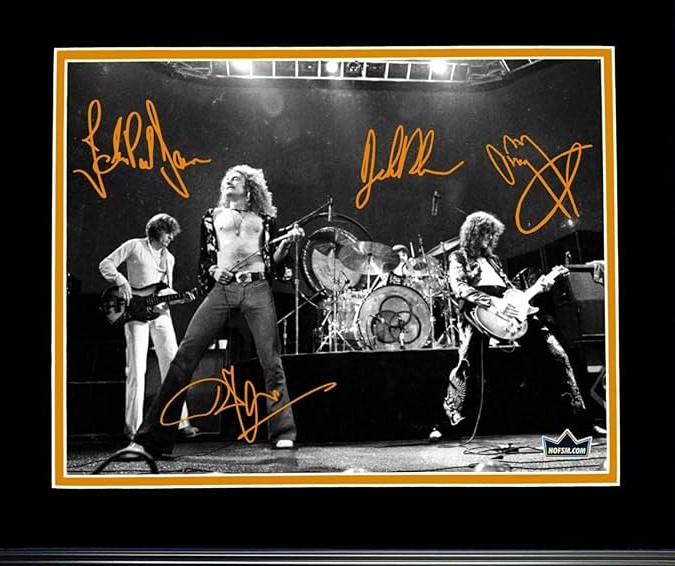
Rock and roll is sound, sure—but a lot of the magic lives in images and ink. Think about your favorite artist for a second. You probably don’t just hear a song. You see a face on a poster, a snapshot from the stage, or a signed album cover someone once handed across a table.
That’s where autographs and photos come in. For many collectors, these pieces feel closest to the artists themselves—objects that were handled, signed, or captured in the moment, and that now carry those stories forward.
This post looks at how autographs and photos fit into rock and roll memorabilia, what collectors tend to look for, and how to approach them with both excitement and care.
Why Autographs Matter So Much
Autographs are one of the most familiar types of music memorabilia. Auction houses, dealers, and collectors regularly feature signed items, especially when they relate to major artists or historically significant moments.
At a basic level, an autograph is just a name written on something. For collectors, it can be more than that:
- It shows that, at some point, the artist and the item shared the same time and place.
- It can turn an ordinary object into a personal memento.
- It anchors a fan’s connection to a specific era, album, or tour.
Common Types of Rock Autographs
In rock and roll, signatures often show up on a few familiar kinds of items:
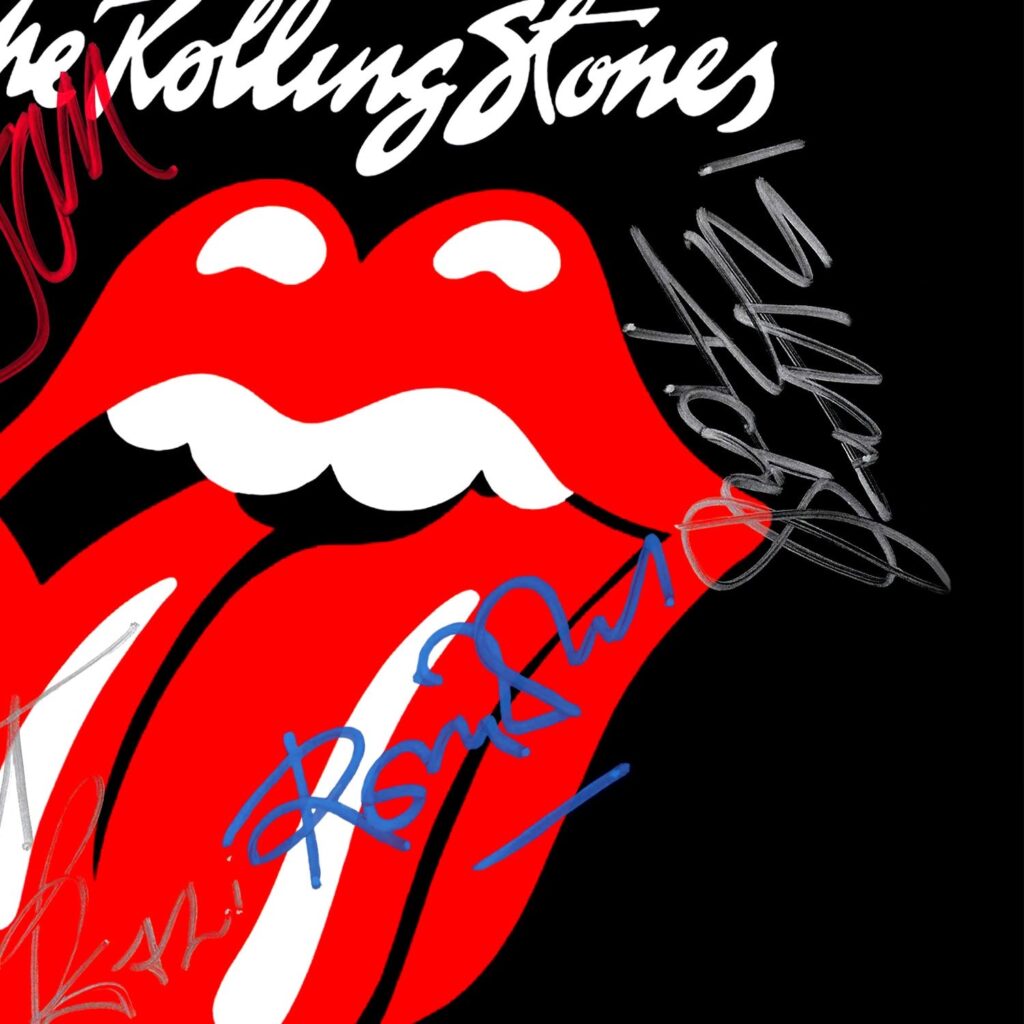
- Signed album covers and sleeves – LP jackets and single sleeves are classic autograph surfaces that combine music, artwork, and the signature.
- Signed photographs – Promo photos, live shots, and portrait prints often carry signatures, sometimes with a short inscription.
- Signed tickets and posters – A ticket or poster signed around the time of a show ties the ink directly to that event.
- Signed instruments and gear – Guitars, drumheads, picks, and even set lists sometimes carry signatures.
- Paper items and ephemera – Programs, passes, letters, lyric sheets, and other documents also appear in autograph collections.
Each type has its own appeal. A signed album might feel like the definitive piece for a favorite record, while a signed photo focuses more on image and persona.
Authenticity: The Big Question in Autograph Collecting
Because autographs can be valuable, authenticity is always a central concern. Forgeries and “secretarial” signatures—where staff or assistants sign on an artist’s behalf—are widely discussed issues in autograph collecting, and guides have warned buyers about them for many years.
How Autographs Are Evaluated
Collectors, dealers, and authentication services usually consider several factors:
- Signature comparison – Comparing the autograph to verified examples from the same period.
- Pen and ink – Checking ink flow, pressure, and whether the writing fits the age and type of surface.
- Signing patterns – Some artists commonly signed in certain spots or favored particular styles at different times.
- Context – A signature on a period-correct tour program, for example, can feel more plausible than one on a random object with no clear link.
Specialized third-party authenticators—such as PSA (Professional Sports Authenticator), James Spence Authentication (JSA), and Beckett Authentication Services—offer paid opinions on whether a signature appears genuine. Their services are widely used in the memorabilia market, although they provide expert opinions rather than absolute guarantees.
Certificates of Authenticity (COAs)
Many autographed items come with a Certificate of Authenticity. That can be helpful, but only if the issuer is credible. Collecting guides routinely remind buyers that a COA is only as reliable as the person or company that issued it.
Practical questions to ask include:
- Who issued the COA, and do they have a known track record with music memorabilia?
- Does the COA clearly describe the item and include contact details?
- Is there any supporting evidence—such as photos from a signing, gallery labels, or prior sale records?
The stronger the documentation, the more confidence most collectors feel.
Why Photos Matter as Rock Memorabilia
If autographs connect you to an artist’s hand, photographs connect you to the moments when the music actually happened.
Rock photography has become a collecting field of its own. Specialist galleries and photo archives offer limited-edition prints and vintage originals of many well-known rock artists across multiple eras.
Types of Rock and Roll Photos Collectors Seek
Collectors often look for a few broad categories:
- Publicity and promo photos – Official portraits and group shots used for press kits, label campaigns, and magazines.
- Live concert shots – Onstage images that capture lighting, movement, and crowd interaction.
- Studio and backstage photos – More intimate images from rehearsals, studio sessions, and behind-the-scenes moments.
- Candid and documentary images – Photos from tours, travel days, and offstage life that show the human side of famous names.
Some collectors focus on a particular photographer, band, or era. Others mix portraits, live shots, and candid images to build a broader visual story.
What Makes a Photo Collectible?
Not every rock photo carries the same weight in the market. A few factors often matter:
Subject and moment
Images of well-known artists—especially at key points in their careers—draw a lot of interest. Early club shows, breakthrough tours, and major festival appearances are often highlighted in gallery and auction descriptions because they place the photo in a clear narrative.
Photographer and origin
Many recognized rock photos come from professional music photographers whose work is represented by galleries or agencies. Limited-edition prints signed by the photographer, or issued by their estate, are common offerings.
Vintage vs. later prints
Collectors usually distinguish between:
- Vintage or period prints – Made relatively close in time to when the photo was taken.
- Later or modern prints – Produced more recently from the original negative or digital file.
Both can be collectible, but they occupy slightly different categories. Some buyers prefer vintage prints; others are comfortable with well-documented modern editions.
Format and condition
Fine-art music photographs may be produced as silver gelatin prints, archival pigment prints, or other stable formats. Condition—surface marks, fading, creases, or other damage—matters for both display and value, much as it does with posters and other paper memorabilia.
When Autographs and Photos Meet
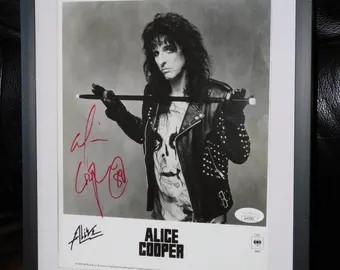
Signed photographs bring both sides together: an image and a signature on the same piece.
These can include:
- Signed 8×10 promotional shots given out at events or meet-and-greets.
- Larger fine-art prints signed by the photographer and, in some cases, by the artist as well.
- Vintage press photos that were signed later at conventions, signings, or other appearances.
For collectors, the appeal is straightforward: a strong visual combined with a direct mark from the person in the picture. The same questions about authenticity, origin, and condition still apply.
Building a Collection: Practical Things to Consider
Autographs and photos can fit into a rock memorabilia collection in many ways. A few practical points help keep things focused and manageable.
Pick a Focus That Feels Sustainable
Because the field is broad, many collectors choose a theme, such as:
- One band or artist.
- A specific era, like late-1960s rock or 1980s alternative.
- A type of item: signed album covers, live photos, promo prints, or a combination of a few.
A bit of focus makes research easier and helps each new piece connect meaningfully to the rest of your collection.
Pay Attention to Provenance
For both autographs and photos, a simple checklist helps:
- Do you know where the item came from?
- Is there documentation—receipts, emails, gallery labels, or notes from previous sales?
- Are there matching images in books, online archives, or exhibition catalogs that confirm the same photo or outfit?
Specialist galleries and established music-photo archives typically provide clear information about photographers, dates, and printing details. Reputable autograph dealers do the same for signing context and prior ownership. blogs.loc.gov
Think About Preservation and Display
Paper and ink are sensitive to their environment. General preservation guidance from archives and conservation groups lines up with what many collectors already do:
- Keep signed photos and paper items out of direct sunlight and strong light.
- Use acid-free, lignin-free mounts, mats, and backing materials when possible.
- Frame valuable pieces with UV-filtering glass or acrylic if they’ll hang on a wall.
- Avoid damp basements, hot attics, and big swings in temperature or humidity.
- Store unframed items in appropriate archival sleeves or boxes.
These same principles apply to signed album covers, ticket stubs, lyric sheets, and other paper ephemera.
Enjoying the Human Side of Rock History
Ultimately, the appeal of autographs and photos isn’t just about price guides or auction headlines. It’s about the human side of the music.
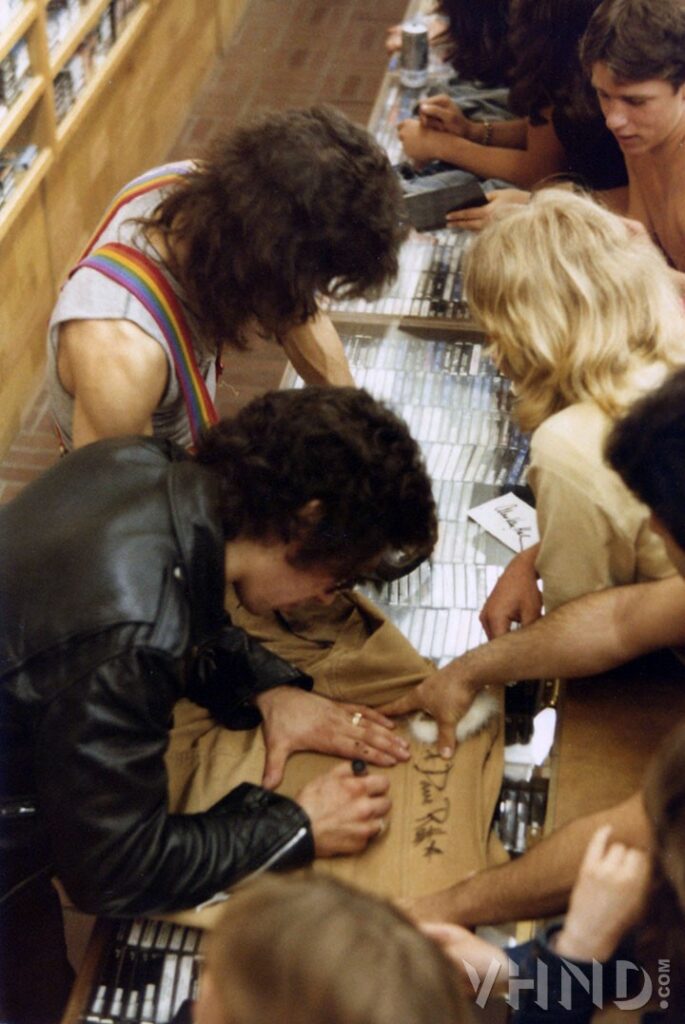
A signature on a ticket stub shows that someone waited in line, held out a pen, and had a brief moment of contact.
A live photograph freezes a night when the room was loud, crowded, and full of energy.
A signed album cover sits right at the meeting point between sound, image, and memory.
Posters and tickets tell you when and where the music happened. Records and test pressings let you hear it again. Autographs and photos add one more layer: they bring faces, gestures, and specific moments into the story.
If you decide to bring these pieces into your own collection, you’re not just filling frames and binders. You’re helping carry forward the images and signatures that shape how we remember rock and roll.
Let’s Make History-as you line up those signed covers and favorite photos—one snapshot, one autograph at a time.