
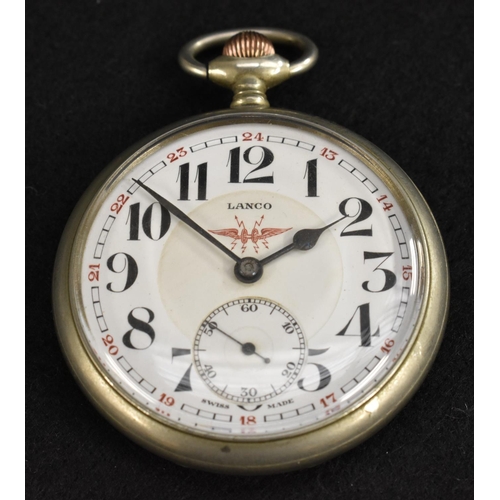
Railroad Watches-Keeping Trains on Time

A pocket watch can feel like a personal little heirloom—something carried close, engraved with initials, passed down with a story. But on the railroad, a watch was something else entirely: safety equipment.

When trains began moving fast over long distances—often on single-track lines, guided by timetables and train orders—being “a few minutes off” wasn’t a harmless mistake. It could put two trains on the same stretch of track at the same time. That’s why railroad timekeeping became one of the most disciplined and regulated uses of personal watches in history.

This post is a collector-friendly guide to what railroad watches are, why they mattered so much, what “railroad grade” really means, and what to look for when you’re evaluating one today.

Continue reading “Railroad Watches-Keeping Trains on Time”
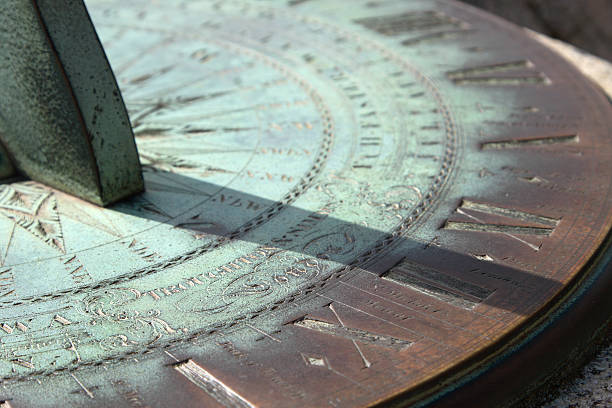
From Sundials to Pocket Watches-A Brief History of Timekeeping

Timekeeping is one of those everyday miracles we stop noticing. We glance at a phone, check a wall clock, tap a watch face—then keep moving. But for most of human history, “What time is it?” wasn’t a quick question with a precise answer. It was a conversation with the sky, the seasons, the length of a shadow, or the rhythm of a community.

For collectors, that’s part of the appeal. Watches (and the objects that led to them) are not just tools—they’re compressed history. They show what people valued, what technology could do, and how society slowly shifted from “about this time” to exact minutes.

This post is a big-picture tour from early timekeeping all the way to the pocket watch era—what changed, why it changed, and what modern collectors love about these portable pieces of time.

Continue reading “From Sundials to Pocket Watches-A Brief History of Timekeeping”

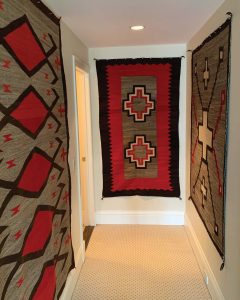
Threads of Tradition

A Navajo (Diné) textile can feel like two things at once: deeply rooted and completely alive. Rooted, because the weaving carries generations of knowledge—how to build a dense cloth, how to shape a design with geometry, how to balance color so it reads across a room. Alive, because Diné weavers are still creating today, still innovating, still making textiles that speak to their time as well as their tradition.

That’s why collecting Navajo textiles is different from collecting many other antique categories. You’re not just buying an old object. You’re engaging with a living artistic practice—one that has moved through changing materials, changing markets, and changing audiences without losing its identity.

This wrap-up post is about the “threads” that tie the whole story together: craft, trade, adaptation, and respectful stewardship. Whether you’re a dedicated textile collector or someone who has just inherited a weaving and wants to do right by it, consider this your collector’s compass.

Continue reading “Threads of Tradition”

©2025 Dear June Collectibles. All Rights Reserved.