Campaign buttons, silk ribbons, soap bars, sneakers—even full-sized flags—have all been used to win votes and shape public opinion. Taken together, they tell a vivid story of American democracy in action.
Political souvenirs are more than novelty items. They are cultural artifacts that capture the mood of an era, the strategies of campaigns, and even the personal pride of voters. A silk ribbon worn for Lincoln, a soap bar handed out by Hoover, a limited-edition Obama sneaker—all of them embody a moment when ordinary people invested in ideas and leaders.
Why People Collect Them
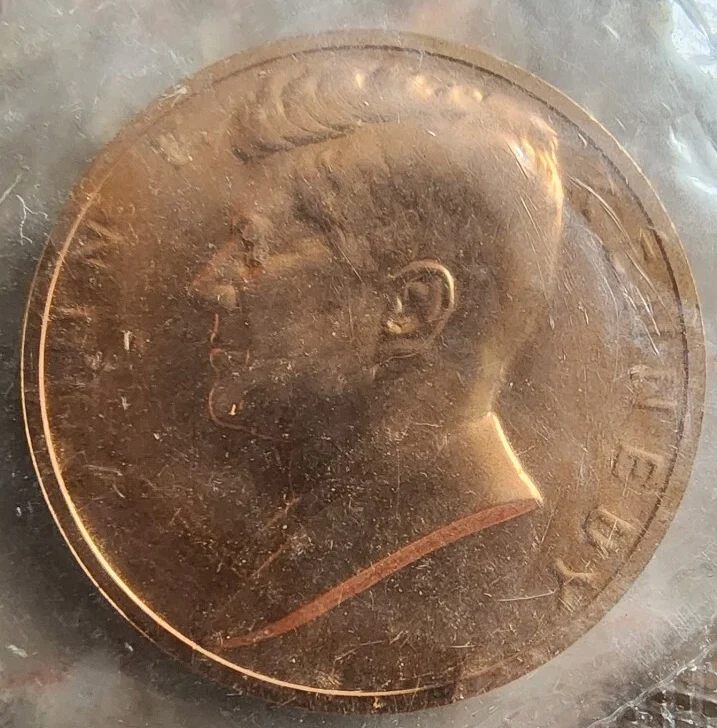
For some collectors, it’s about touching history itself: holding a ribbon that once fluttered at a torchlight parade in the 1860s or a button that pinned to a jacket at a rally decades ago. For others, it’s the design—the bold typography of the 1940s, the psychedelic color palettes of the 1970s, the sleek branding of the 2000s. Nostalgia plays its role too: a Kennedy pin from a parent’s drawer or a Carter peanut keychain passed down as a quirky heirloom.
And yes, some approach it as an investment. A rare Lincoln campaign flag might fetch tens of thousands at auction, while even small curiosities—like a surviving “Soap Baby” from McKinley’s 1896 campaign—can spark bidding wars online.
Every piece, whether humble or spectacular, carries a story. A family heirloom, a flea-market discovery, or even an eBay oddity is more than memorabilia; it’s a fragment of living history.
From Grassroots to Digital Age
The evolution of campaign souvenirs mirrors the transformation of America itself:
- 19th Century: Local silk ribbons, ferrotypes, parade flags, and handmade tokens of loyalty.
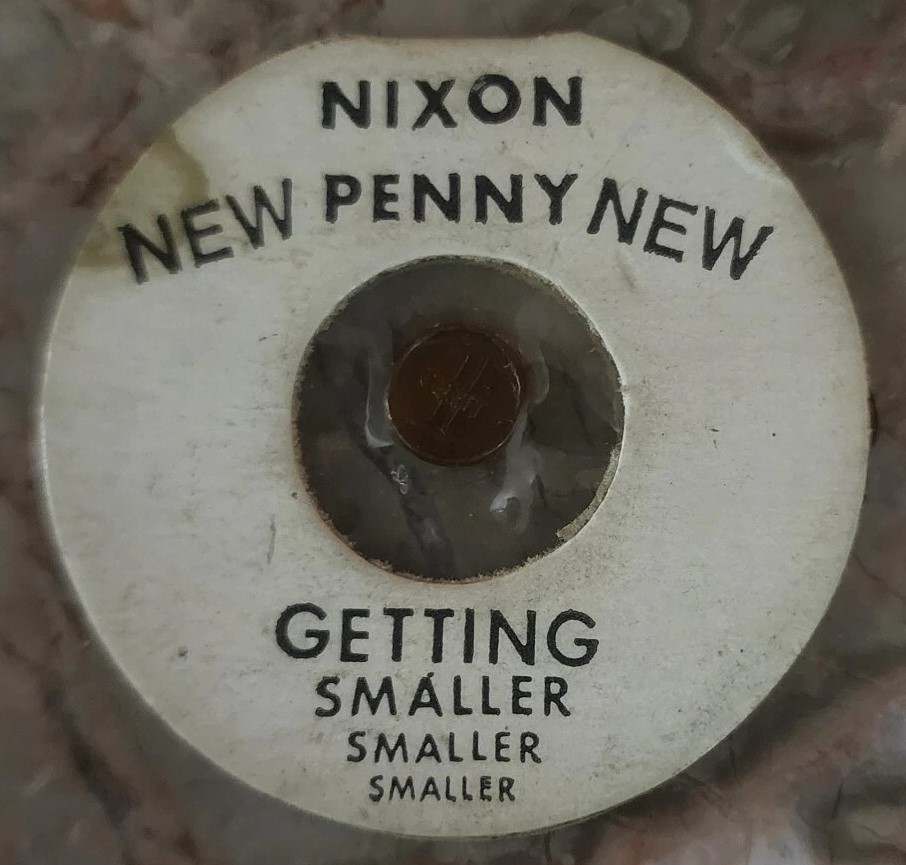
- 20th Century: Mass-produced pinback buttons, ashtrays, matchbooks, pencils, and even food items—items designed for everyday use and maximum visibility.
- 21st Century: Designer sneakers, viral meme merchandise, and even blockchain-backed NFTs, showing how politics adapts to technology and culture.
Each shift reflects not just marketing trends but the changing ways Americans experience politics—up close at the fairground in 1840, across the radio waves in 1928, on television in 1960, and now scrolling past us in real time online.
Why It Still Matters
Political souvenirs aren’t only about the candidates. They are about the people who supported them—the pride, hope, humor, and creativity that infused every election season. A jugate button, a campaign cigar, or a novelty thimble might seem small, but together they remind us that democracy is participatory.
Every election is not just a decision on paper—it’s a cultural moment, etched into the objects people carried, wore, or displayed. Collecting these items gives us a way to trace that living, breathing story of democracy.
Where to Start as a Collector
- Start Small: Modern buttons, bumper stickers, and hats are inexpensive entry points and easy to find.
- Follow Your Curiosity: Focus on what excites you—whether it’s early ribbons, quirky giveaways, or contemporary limited editions.
- Preserve Carefully: Use archival sleeves, display away from light, and store in climate-stable environments. A little care can make fragile paper or fabric last generations.
- Learn the Stories: Context brings pieces to life. A McKinley Soap Baby isn’t just molded glycerin—it’s a story about industrialization, marketing, and a young America at the dawn of modern campaigning.
Final Thought
Political memorabilia connects us directly to moments of passion, creativity, and change. From silk ribbons at Lincoln rallies to viral merchandise in today’s campaigns, these souvenirs are not just collectibles—they are physical reminders of democracy in motion.
Have political souvenirs inspired your love of history?
Share your favorite finds or dream collectibles in the comments below, and subscribe for upcoming series on antiques and collectibles.
Let’s make history—one collectible at a time.