Country music collecting has a special kind of magic when it moves beyond “just the record” and into the world around it—the mailers, the membership cards, the radio promos, the paper that was never meant to survive. If you’re a fan of Johnny Cash, the Cash family, and The Highwaymen, like I am, you already know how much story lives in the context: the eras, the labels, the touring years, the collaborations, the way fans stayed connected long before social media.
This part of country music memorabilia is where collecting turns into time travel. Records capture the sound, fan clubs capture the community, and promotional items capture the business of getting the music into the world. Put those three together, and you’ve got a collection that feels curated, personal, and deeply “country.”
Records as Artifacts: More Than “What It Sounds Like”
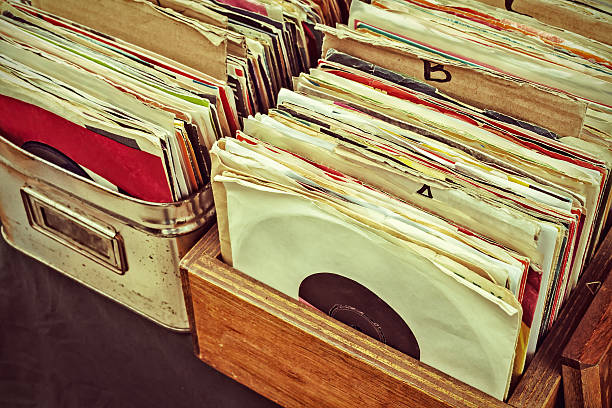
Records are often the foundation of a country music memorabilia collection because they’re both playable and displayable—and they’re packed with details collectors care about: labels, pressings, sleeves, liner notes, and the little manufacturing quirks that tell you what you’re holding.
A quick guide to the formats collectors run into
You don’t need to be a pressing expert to collect well, but it helps to understand the “big three” formats you’ll encounter in vintage country:
- 78 rpm records: Earlier-era discs (often shellac), typically heavier and more fragile than later vinyl. They can be incredible pieces of early country history, but condition is everything.
- 45 rpm singles: The classic jukebox-and-radio format—compact, collectible, and often where you’ll find alternate edits, B-sides, and regional favorites.
- 33⅓ rpm LPs: The “album experience”—where liner notes, sequencing, cover art, and concept really shine.
Collector note: LPs and 45s have their own origins and timelines in the industry, but you don’t need to memorize dates to collect intelligently. What matters most is learning how to spot condition, identify what edition you’re looking at, and build a coherent lane.
What record collectors look for first
When you’re sorting through country records—Cash included—these factors tend to matter most:
- Condition (vinyl and cover): Scratches, warps, seam splits, ring wear, water staining, writing, stickers, and odors all affect desirability.
- Completeness: Original inner sleeves, inserts, lyric sheets, order forms, or hype stickers can be a big plus.
- Edition clues: Label variations, catalog numbers, “promo” markings, or special stamps can indicate a different issue than the standard retail copy.
- Story value: Sometimes a record isn’t rare, but it’s significant to a theme you’re building—like a “Man in Black” era shelf, a Highwaymen corner, or a Cash-family listening stack.
Building a Cash-forward record lane
If Johnny Cash and related projects are your collecting heart, you can build a strong foundation without chasing impossible rarities.
A few coherent approaches:
- Era-based: early singles and albums → middle career classics → later-career revival recordings
- Project-based: solo Cash → Cash-family collaborations → The Highwaymen → tribute/covers (kept as a separate lane if you want)
- Format-based: singles only (45s) or albums only (LPs), with a small “specials” shelf for comps and live recordings
The goal is to collect with intention. A focused Cash lane makes even common records feel curated because they’re telling one continuous story. This format can of course also be used outside of the Johnny Cash fandom.
Fan Clubs: The Paper Trail of Devotion
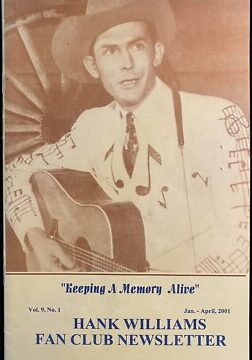
Before newsletters, fans were already building communities—by mail. Fan clubs, informal fan circles, and label-supported mailings created a steady stream of paper: newsletters, membership materials, announcement postcards, order forms, and small promotional prints.
This category is especially rewarding because it’s often:
- Harder to find than records
- More personal than posters
- Full of details that pin items to a time and place
What counts as “fan club material”?
You’ll typically see:
- Newsletters and update sheets
- Membership cards or certificates
- Fan club stationery and envelopes
- Mail-order catalogs and order forms
- “Thank you for joining” letters
- Small photo prints or bio sheets included in mailings
And for big-name artists (including Cash), you may also run into:
- Fan-compiled scrapbooks
- Clippings packets
- Photo-lab prints exchanged among fans
- Convention or gathering ephemera (when applicable)
What makes fan club pieces collectible?
Fan club items are valuable to collectors because they capture the relationship between artist and audience in a way commercial records don’t. They can tell you:
- What was being promoted at the time (tours, new releases, appearances)
- How fans engaged (contests, mail-in offers, merchandise)
- What the public narrative looked like in that moment
For Cash fans, this can be especially rich because “Cash world” spans multiple distinct eras. Fan materials can help you anchor your collection’s timeline and keep it from becoming a loose pile of “Cash things.”
Authenticity clues for fan club paper
Because paper is easy to reproduce, look for “life marks” that are hard to fake convincingly:
- Mailing evidence: postmarks, address labels, fold lines that make sense
- Period printing: older paper texture, staple patterns, typewriter impressions, ink aging
- Content consistency: references that fit the era (tour locations, album titles, band members)
Collector tip: Don’t let “not perfect condition” scare you off. Gentle edge wear and fold lines are normal—these were meant to be handled.
Promotional Items: How Country Music Was Sold
Promotional items are the bridge between records and fan culture. Labels, radio stations, and venues created a whole ecosystem of material meant to get attention and drive listening.
This is where you’ll find some of the most display-friendly memorabilia—and some of the most confusing pieces if you’re new to it.
Common promotional categories collectors find
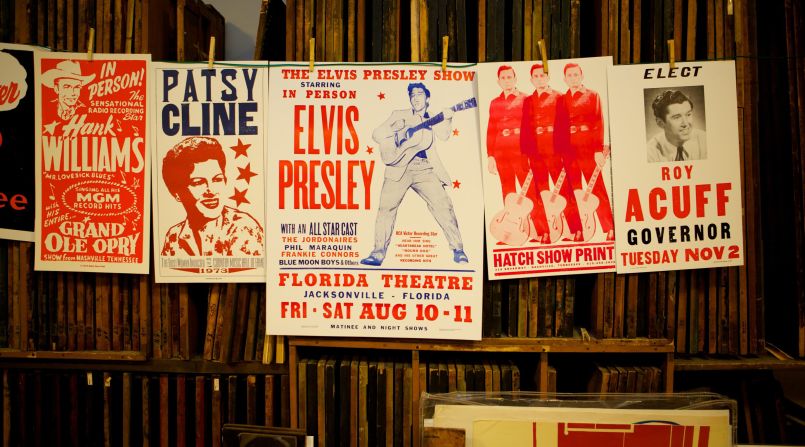
Here are the promo items that show up most often in country collections:
- Radio-station and reviewer promos: records sent out for airplay or review, sometimes marked as promotional copies
- Press photos: publicity images (often with captions, stamps, or paper tags)
- One-sheets and release sheets: single-page promotional summaries for albums/singles
- In-store display material: counter cards, display flats, bin dividers, danglers
- Giveaways: buttons, bumper stickers, postcards, calendars, small branded items
- Promotional mailers: label announcements to stores or DJs
For a Highwaymen-focused corner, promo items can be especially satisfying because they often lean into “event status”—supergroup branding, tour pushes, and high-visibility marketing.
What to look for in promotional items
Because promo pieces weren’t always made to last, condition can vary wildly. The best collector mindset is:
- Prioritize legibility and stability (no active tearing, severe water damage, or brittle paper that crumbles)
- Look for clean, era-appropriate printing (not modern inkjet textures)
- Watch for trimming (some promo posters and one-sheets get cut down to frame)
If a piece claims to be “radio station use” or “industry only,” don’t automatically believe the story—but do look for clues: station stamps, call letters, dated notes, or other consistent markings.
Put It Together: Building a Coherent Collection That Feels Intentional
Records, fan club paper, and promo items can either become a messy pile—or a beautifully structured collection. The difference is choosing a framework.
Here are four collector lanes that work particularly well for Cash fans, but can be adapted to other artists as well:
1) The “Discography + Paper Trail” lane
- Your core albums/singles
- Fan club newsletters that match the years you’re collecting
- Promo one-sheets or press photos for key releases
2) The “On the Road” lane
- Live albums or tour-related releases
- Fan club tour updates or announcements
- Venue and promo materials tied to touring
3) The “Cash Family Universe” lane
- Cash + related family projects (kept together intentionally)
- Family-adjacent fan materials and press photos
- Promo items that show how the story was presented publicly
4) The “Highwaymen Corner”
- The core albums and key singles
- Promo materials and press photos that emphasize the supergroup identity
- Supporting paper that makes it feel like a complete chapter, not a side note
If you’re trying to keep it manageable, a good rule is: build “mini-sets”. One record + one paper item + one promo/display piece makes a tight trio that looks curated on a shelf.
Authenticity and Reproductions: Common Pitfalls
Country music nostalgia is popular, and anything popular attracts reproductions. You’ll see:
- Reprinted photos sold as “vintage”
- Modern posters designed to look old
- “Fan club” items that are actually later tribute prints
- Signed items with questionable signatures
A few safe buying habits:
- Prefer items with period wear that makes sense (not theatrical distressing)
- Look for printing and paper consistency
- Be wary of big claims without documentation
- When in doubt, buy for what the item is, not what the seller says it was
Care and Storage: Protect the Sound and the Paper
Records
- Store vertically (upright), not stacked
- Use clean inner sleeves; keep covers supported so they don’t lean and warp
- Avoid heat and sunlight (warping and fading happen fast)
- Handle by edges and labels—especially for older formats
Paper and fan materials
- Store flat in archival sleeves or folders when possible
- Keep away from sunlight and humidity swings
- Avoid tape and “magnetic” albums
- Use rigid backing for delicate one-sheets and photos
A collection that survives is a collection you can keep enjoying for decades.
A Gentle Collector’s Checklist
Before you buy, ask:
- Does this fit my lane (Cash era, Cash family, Highwaymen, format, or theme)?
- Is the condition stable enough to store safely?
- For paper: does it look like period printing and period wear?
- For promo items: are there any believable context clues (stamps, call letters, dated notes)?
- Am I buying it because it deepens my story—or because it’s just “cool”?
Records give you the sound, fan clubs give you the community, and promotional items give you the era’s marketing voice. Collect all three, and you’re not just collecting music—you’re collecting how the music lived in the world.
Let’s Make History—one spin, one story, one keepsake at a time.