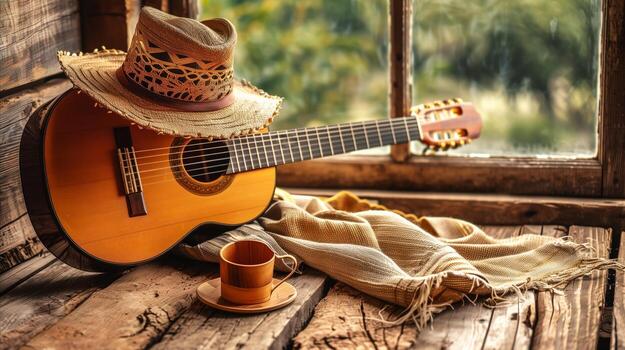
Country music memorabilia isn’t only about what you hear—it’s also about what you see. The twang of a well-played guitar. The shimmer of stage lights catching rhinestones. The worn leather strap that sat across a shoulder for hundreds of shows. Instruments and stage costumes are where music becomes physical, and that’s exactly why collectors love them: these pieces carry the marks of performance, personality, and time.
And if you’re a Johnny Cash fan, like I am, you already understand how powerful “the look” can be. Country style can be bold and sparkling, or it can be simple and stark—either way, it tells a story before the first note is even played.
This post is a collector’s guide to the two big pillars of country music material culture: the tools that made the sound, and the clothing that helped make the legends.
The Sound You Can Hold: Why Instruments Matter as Collectibles
Instruments are often the most direct bridge between listener and performer. Even when an instrument isn’t “artist-owned,” it can still feel like an artifact of the era—because country music’s core sound has long been tied to recognizable shapes and materials.
Common “country core” instruments collectors chase include:
- Acoustic guitars (flat-top and classical styles)
- Fiddles
- Banjos and mandolins
- Upright basses and bass guitars
- Steel guitars (lap steel and pedal steel)
- Harmonicas and simple stage-friendly percussion
Collectors are often drawn to instruments for one of three reasons:
- Playability (you want to use it, not just display it)
- Craftsmanship (wood, hardware, handwork, and construction details)
- Association (a brand, a model, a stage era, or—rarely—proven performer use)
You don’t need celebrity provenance to build an impressive instrument-based collection. A well-chosen “era instrument” can be just as meaningful—and often more attainable.
Collecting Vintage Instruments Without Regret: What to Look For
Vintage instruments are rewarding, but they’re also the category where condition can get complicated fast. Here’s the checklist that keeps collectors from buying headaches.
Structural health first
For most stringed instruments, prioritize stability over cosmetics.
Look for:
- Neck straightness and comfortable action
- Cracks in the top/back/sides (especially along seams)
- Loose braces or rattles inside the body
- Warping around bridges or tailpieces
- Evidence of moisture damage (swelling, separation, mildew smell)
Small dings and honest wear are normal. Structural repairs can be fine too—if they’re well done and disclosed.
Hardware and originality
Collectors care about originality differently depending on their goals.
If you’re collecting for play:
- A quality refret or professional setup can be a plus.
If you’re collecting for historical integrity:
- Replaced tuners, swapped bridges, or heavy refinishing can affect desirability.
The best approach is to decide your lane first: player, display collector, or investment-minded historian. Then buy accordingly.
Documentation and paper trails
Even when provenance isn’t famous, paperwork helps:
- Store receipts, repair invoices, vintage cases with labels
- Photos of the instrument in prior ownership
- Any consistent chain of custody (especially for older or higher-value pieces)
A little documentation goes a long way in a category where stories can get exaggerated.
Country Stage Style: From Western Wear to Signature Looks

Stage costumes are collectibles for a simple reason: country music has always had a strong relationship with identity. Clothing signals genre, tradition, rebellion, glamour, or authenticity—and sometimes all of it at once.
Broad categories of country stage wear collectors often seek:
Western performance wear
- Embroidered shirts, yokes, piping, fringe
- Cowboy hats and boots
- Matching sets designed for high visibility on stage
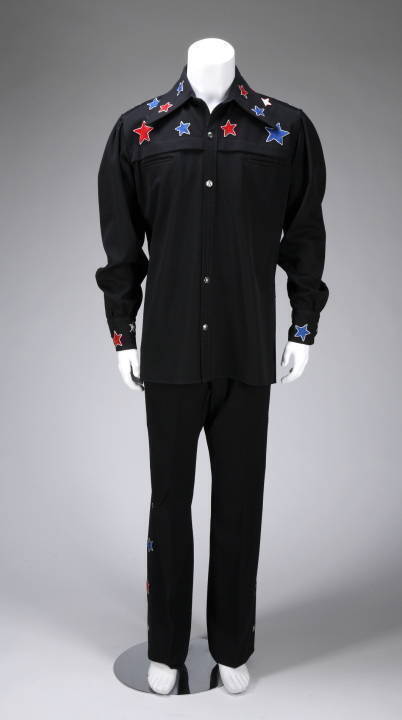
Rhinestone and “show” suits
- Flashy, tailored pieces designed to sparkle under lights
- Often highly personalized: names, symbols, scenes, motifs
The “signature uniform”
Some artists become instantly recognizable through consistency rather than sparkle—and that can be just as collectible.
- All-black stage styling is the obvious example for Cash fans.
- Minimal, repeatable silhouettes can define an era just as strongly as ornate showwear.
This is why stage clothing can be more than fashion: it’s part of the performance language.
A Collector’s Reality Check: Stage-Worn vs. “Stage Style”
With costumes, it’s crucial to separate three different categories:
- Stage-worn (documented use by a performer)
- Period stage clothing (authentic to the era, but not tied to a famous wearer)
- Stage-inspired (later pieces made in the style)
All three can be collectible. They just live at different price points—and require different levels of proof.
If something is claimed to be stage-worn, the gold standards include:
- Clear photographs of the performer wearing it (with matching details)
- Letters, certificates, or auction documentation from reputable sources
- Consistent provenance that makes sense (not a vague “came from Nashville” story)
If it’s “stage style,” focus your evaluation on craftsmanship, materials, and condition rather than celebrity claims.
What Country Costume Collectors Look For
Stage garments are often dramatic, but they’re still textiles—which means condition and construction matter.
Construction and materials
- Quality stitching, sturdy seams, reinforced stress points
- Heavy-weight fabrics that hold shape under movement and lights
- Lining (often a clue that it was made for performance rather than casual wear)
Surface details
- Rhinestones, studs, embroidery, appliqué
- Look for consistent aging: stones that show natural loosening, thread wear where movement happens, and honest scuffs.
Fit and modification clues
Performers often altered garments for comfort or repeated use. That can look like:
- Let-out seams
- Reinforcement patches
- Added snaps or hidden closures
- Repaired hems from boot and stage wear
Those signs can be positive—because they suggest real use—if the story matches the condition.
Caring for What Was Meant to Be Used Hard
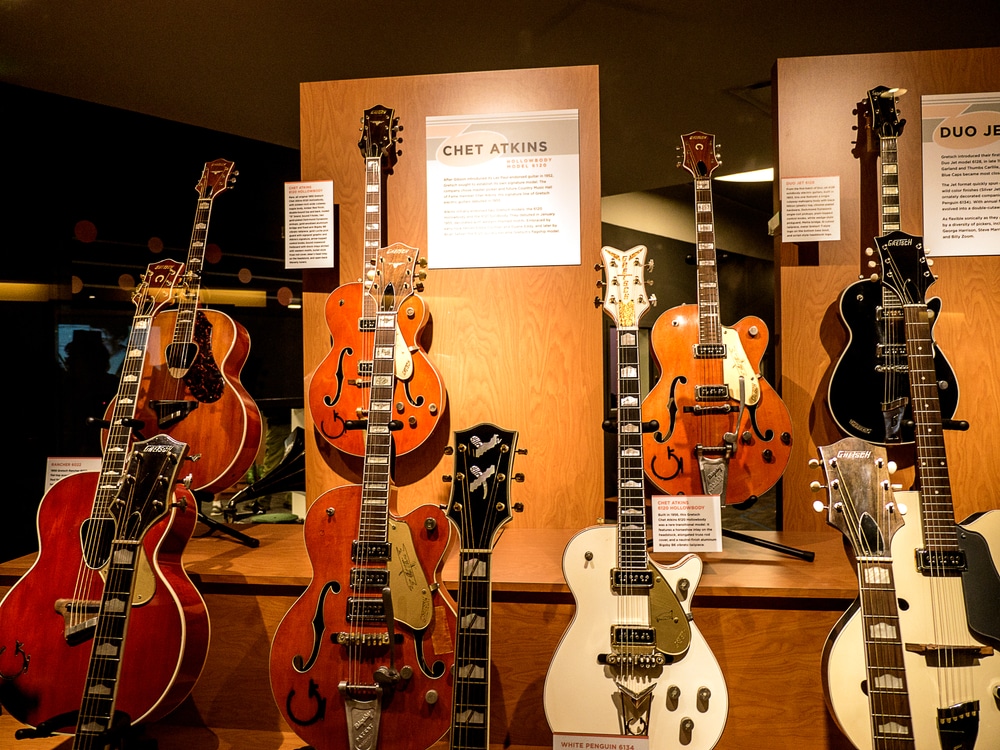
Instrument care basics
- Store in stable humidity and temperature (extremes are the enemy of wood)
- Use cases or padded stands; avoid leaning in high-traffic areas
- Wipe down after handling to reduce grime and corrosion on metal parts
- Avoid “DIY miracle fixes” for cracks or lifting bridges—professional repair is worth it
Costume care basics
- Avoid hanging heavy, embellished garments by weak shoulders (use supportive hangers or flat storage)
- Keep pieces out of direct sunlight (fading is permanent)
- Store with breathable, archival-friendly layers (not plastic bags that trap moisture)
- Don’t over-clean; many stage fabrics and embellishments respond poorly to aggressive cleaning
If you collect both instruments and clothing, you’ll find the care philosophy is the same: stable environment, gentle handling, and respect for materials.
Building a Coherent Collection: Two Easy Approaches
If you want your instrument-and-costume collection to feel intentional (and not like two unrelated hobbies), choose one of these frameworks:
1) The “performer story” approach
Pick a small set of artist-adjacent themes and collect around them.
- A performance look (like Cash’s stark stage presence)
- A touring-era feel (supergroup years, outlaw-era vibes, etc.)
- A signature instrument aesthetic (well-loved guitars, road-worn cases, simple stage tools)
2) The “stage world” approach
Collect the building blocks of a country performance:
- One anchor instrument type (acoustic guitar, fiddle, steel guitar-related items)
- One anchor clothing style (Western wear, show suits, minimalist stage uniform)
- Supporting ephemera that ties them together (tickets, photos, programs, press items)
This keeps the collection cohesive without requiring celebrity ownership.
A Gentle Collector’s Checklist
Before you buy, ask:
- Is this an instrument I want to play, display, or preserve?
- Does the condition match the price and my goals?
- For clothing: does it have stable construction and intact embellishments?
- If provenance is claimed, is it documented—or just a good story?
- Does this item fit the “world” I’m building as a collection?
Country music is storytelling. Instruments and costumes are two of the most tangible ways to collect that story—because they carry both the sound and the silhouette of the era.
Let’s Make History—one stitch and strum at a time.