Rock and Roll Memorabilia for Collectors Who Love the Weird Stuff
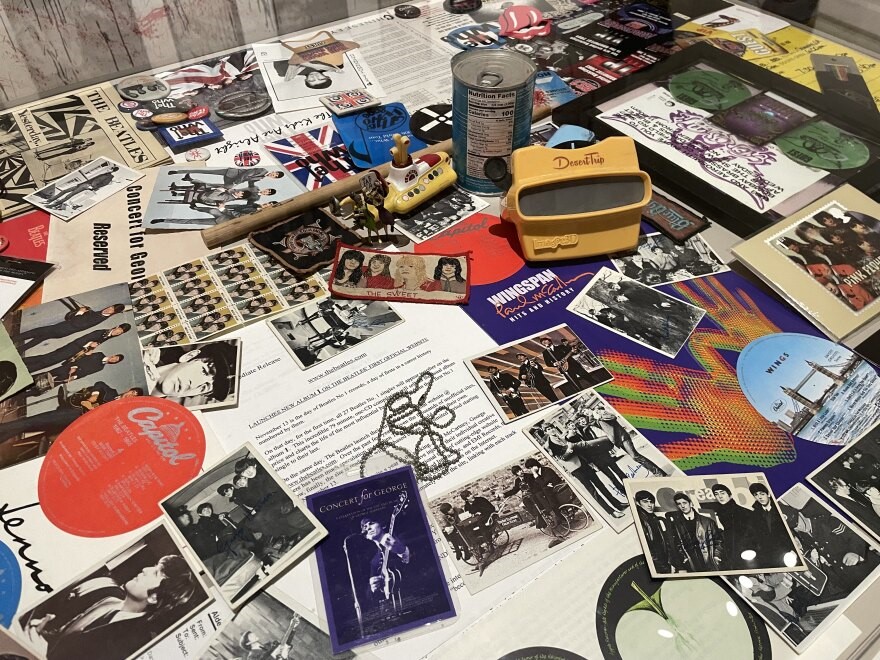
Rock and roll collecting has its obvious stars. First-press records. Iconic posters. Ticket stubs from legendary shows. Signed albums that can feel like holy relics. But spend time around collectors and you’ll notice something else. Many people fall hardest for the strange little side roads.
That’s where oddities and curiosities live.
They’re the items that make you say, “Wait, they made that?” or “How did this even survive?” Some are official. Some are accidental. Some are fan-made. Many are too odd to fit neatly into a single category. And that’s exactly the appeal.
This post explores the unusual corners of rock and roll memorabilia—what can count as an oddity, why collectors chase them, and how to approach them with equal parts curiosity and common sense.
What Counts as an “Oddity” in Rock Collecting?
In practice, an oddity is often less about price and more about vibe. It’s the thing that doesn’t match your mental checklist of standard collectibles.
Oddities often fall into a few broad classes:
- Unusual promotional items used to build attention.
- One-off or short-run objects tied to a tour, event, or marketing push.
- Misprints, manufacturing quirks, and mistakes that created something uncommon.
- Fan-made artifacts that capture the grassroots side of rock culture.
- Backstage, crew, or industry ephemera not meant for general sale.
Not every unusual item becomes collectible. Context matters. The artist, the era, and the story shape whether a curiosity sticks.
The Charm of Weird Promotional Items
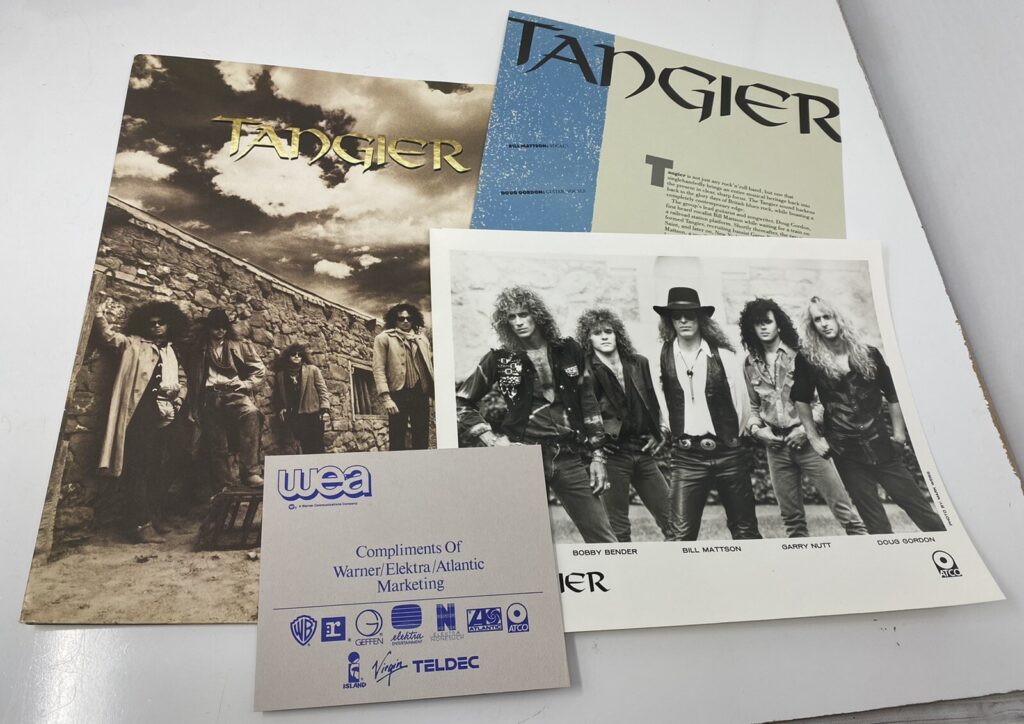
Labels and managers have long used promotional material to help artists stand out. Rock has always been image-heavy, so the promo world can get delightfully eccentric.
Collectors often run into items like:
- Store displays and counter pieces made for record shops.
- Press kits with unusual packaging or themed inserts.
- Novelty branded items tied to a release or tour.
- Radio-station giveaways that weren’t standard retail merchandise.
These objects can reveal how the industry wanted fans to experience a band at a specific moment. They also capture the marketing tone of an era, for better or worse.
Many of these pieces were never produced in huge, long-term retail quantities. That can make survivors harder to track down.
Misprints and Manufacturing Quirks
Some of the best oddities exist because something in production went sideways.
Collectors often look for:
- Label variations with small but meaningful text differences.
- Mismatched sleeves and records that slipped through packaging.
- Unusual stampers or runout markings tied to a specific pressing moment.
- Printing errors on posters, programs, or other tour materials.
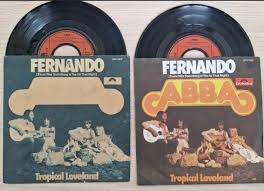
A mistake isn’t automatically valuable. It becomes interesting when the variation is documented and clearly uncommon. The story does a lot of the work here.
The Strange Beauty of Tour and Backstage Ephemera
Many major categories focus on what fans could buy. Oddities often come from what fans never saw.
This world can include:
- Backstage passes and laminates tied to specific dates.
- Crew-only badges, itineraries, or internal credentials.
- Stage-used set lists with handwritten notes.
- Production paperwork that reflects how a tour was organized.
These pieces can feel like peeking behind the curtain in a practical way. They show that rock history isn’t only about performance. It’s also logistics, teamwork, and the grind of getting a show from city to city.
Fan-Made Oddities and the DIY Spirit
Rock history doesn’t belong only to labels and promoters. Fans built their own archives, sometimes without realizing they were preserving history.
Some of the most interesting finds include:
- Handmade flyers for small local shows.
- Photocopied zines from hyper-specific scenes.
- Scrapbooks built from clippings, photos, and ticket stubs.
- DIY merchandise tied to local subcultures.
Even when these pieces aren’t official, they can still be historically meaningful. They capture how a scene felt up close, not just how it looked in hindsight.
Novelty Formats and Offbeat Releases
Vinyl and CDs anchor most collections. But rock history also includes releases and packages that break the usual rules.
Collectors sometimes chase:
- Unusual single formats or atypical packaging.
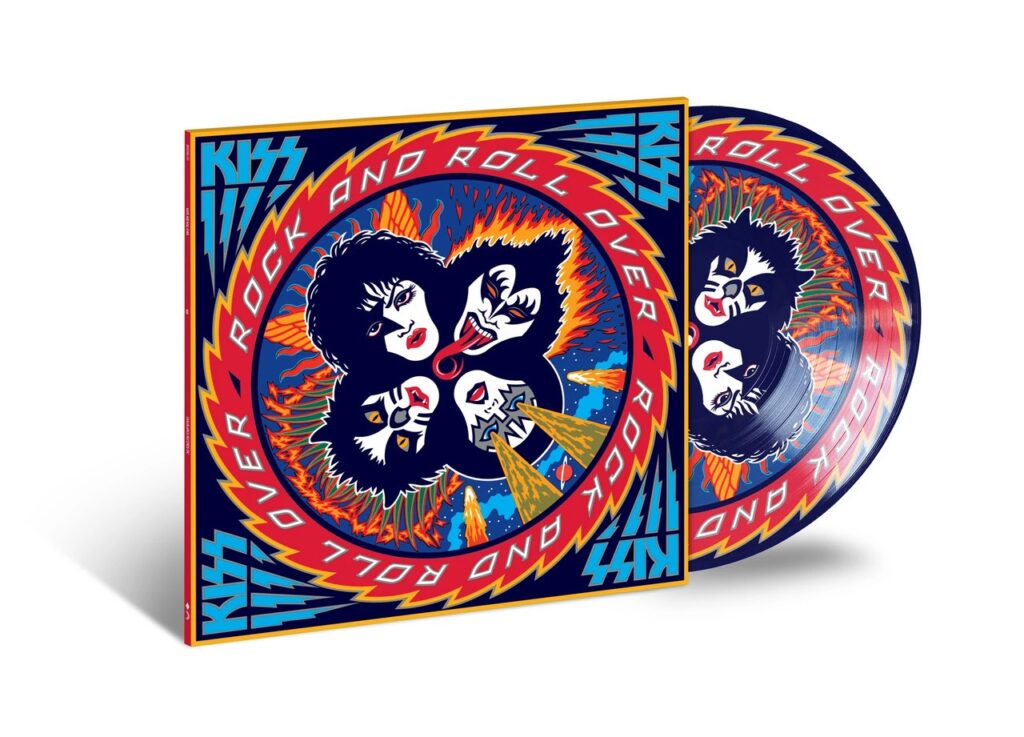
- Picture discs and colored pressings that became visual statements.
- Limited promotional samplers made for radio or industry use.
- Region-specific releases with unique art or track lists.
These items can sit on the border between mainstream collectible and true curiosity. The context usually decides where they land.
The “Story Value” Factor
Oddities often earn their keep through narrative.
A standard tour shirt is great but a standard tour shirt with a short-lived design variation is a story.
A normal press photo is useful but a press photo with editorial stamps or annotations becomes a record of how the media machine worked.
Oddities don’t just sit on a shelf. They invite questions:
- Why did this exist?
- Who was it made for?
- How many might have survived?
- What does this reveal about the era or audience?
Collectors who love oddities often love research just as much as the hunt.
Authenticity Still Matters—Even for the Weird Stuff
Oddities can be risky because sellers sometimes lean on mystery instead of evidence.
A good rule of thumb:
Unusual should never mean unverifiable.
When you’re considering a truly strange item, it helps to have at least one solid anchor:
- A credible chain of ownership.
- A clear match to known images or documentation.
- Context that fits the era and scene.
- Provenance from a reliable dealer or archive.
If a listing relies only on a vague story with no support, it’s reasonable to walk away.
Condition: When Wear Adds Character
Oddities often arrive with honest wear.
A beat-up backstage credential might be exactly the point.
A scuffed store display can feel more authentic than a pristine one.
Still, there’s a practical line. You want stability, not decay. Aim for:
- Safe long-term preservation.
- Legibility when relevant.
- No active deterioration.
Archival sleeves, careful storage, and stable temperature and humidity help across most material types.
How to Build an Oddities-Focused Mini Collection
If you want curiosities without chaos, these approaches help.
- Pick a single artist or scene-oddities shine when they plug into a bigger story.
- Build around a theme-tour logistics. DIY fan culture. Weird marketing experiments. Unusual formats. A theme gives your collection shape.
- Pair oddities with anchor items. try a small trio. A ticket or poster, a release from the same era, and one curiosity. That way the oddity adds texture instead of clutter.
Why Oddities Belong in the Rock History Conversation
Big-name collectibles often tell the headline version of rock history.
Oddities fill in the footnotes. They capture local chapters, behind-the-scenes realities, and offbeat experiments that don’t always make it into clean retrospectives. They remind us that rock and roll has always been creative, messy, and human.
Sometimes the strangest item in a collection ends up being the most memorable. Not because it’s objectively the most important, but because it preserves a moment that was never designed to last.
So if your shelves already have the classics, maybe it’s time to make room for the weird cousin of the collection.
Because in rock and roll, the oddities aren’t distractions from the story.
They’re part of how the story stays alive.
And if you find a bizarre promo piece, a local-scene zine, or a backstage artifact that makes you do a double take, you already know what to do.
Grab it, research it, love it, and Let’s Make History.