
When the Great Depression took hold, glass artistry didn’t vanish—it transformed. The ornate luxury of pre-Depression art glass gave way to bold, affordable designs that brought beauty into everyday life. Then, after World War II, glass reinvented itself again. Clean lines, vivid colors, and sculptural forms welcomed a new era of modern homeowners—redefining what glass could be for generations to come.
Depression Glass
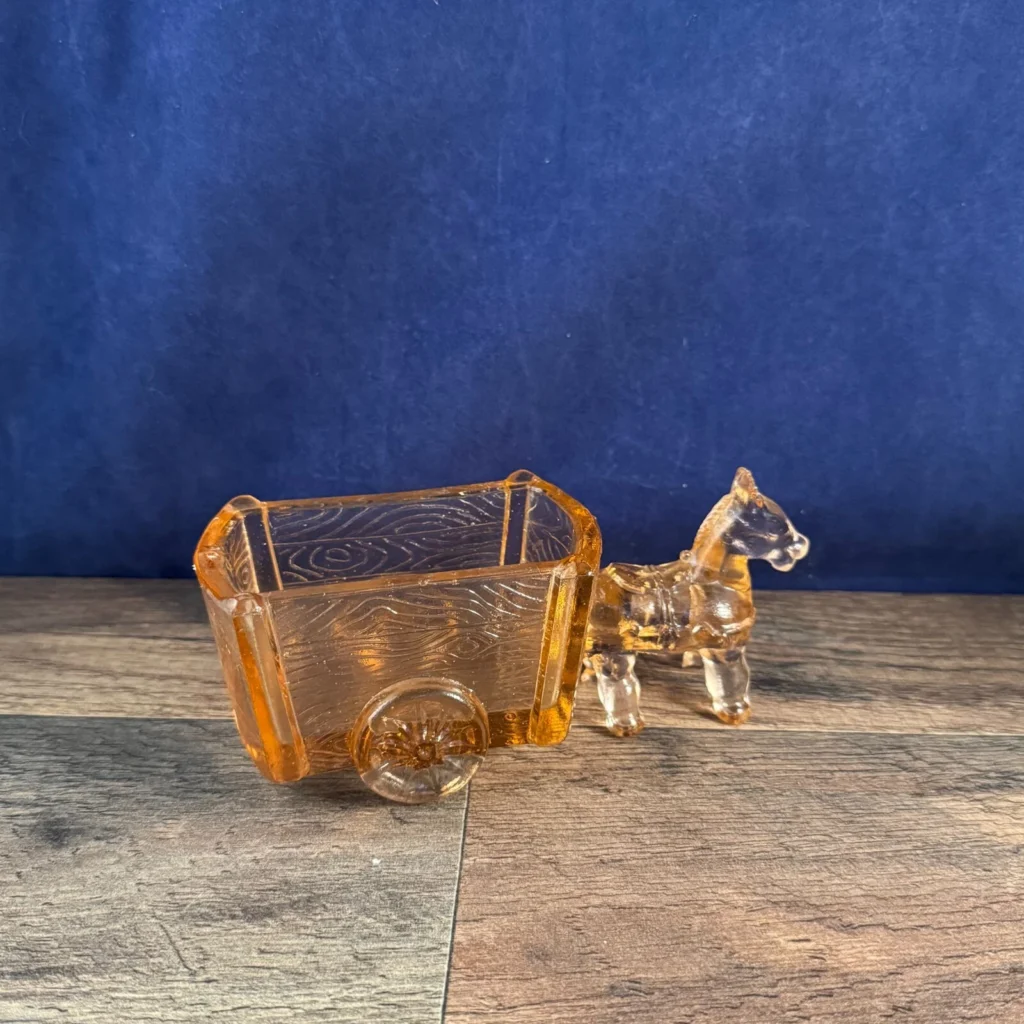
As the economy plunged in the 1930s, luxury was out of reach for most. Yet people still craved brightness and hope. Enter Depression glass: inexpensive, mass-produced, pressed glassware offered in cheerful colors and sold—or more often given away—as premiums with groceries, gas, or movie tickets.
Manufacturers like Hazel-Atlas and Anchor Hocking churned out dinner plates, tumblers, mixing bowls, and more in cheerful tones of pink, blue, green, and amber. Patterns like Criss-Cross, Mayfair, Princess, and Royal Lace became household staples, their affordability matched only by their ubiquity.
Hazel-Atlas, for example, produced a vast range of these colorful wares, often machine-molded and available at every dinner table or picnic blanket across the nation. By the early 1930s, Hazel-Atlas ranked among the top five U.S. glass container producers—even as the Depression deepened.
These pieces weren’t meant to last for centuries—their real value was in brightening daily life. But today, collectors prize complete sets—especially in rare colors like canary yellow, delphite blue, or cobalt blue—and patterns that withstand trends.
Consumer Charm: Everyday Treasures
Typically, Depression glass was distributed as an enticement to buy something else—like a free tumbler at a gas station or a bowl tucked inside a cereal box. Some theaters gave them out during shows, and food brands bundled them with products.
This strategy helped keep production high and prices low—and it gave the public a sense of elegance during dire times. Most of them didn’t survive the decades in pristine condition, making intact sets increasingly rare and collectible.
Mid-Century Modern Revival
As America entered the post-war era, tastes changed. Sleek lines, rich colors, and sculptural forms defined Mid-Century Modern design. Glassmakers adapted—transforming from mass-pressed dinnerware to artistic, statement-making pieces.
Blenko Glass: Hand-Blown Creativity
One standout was the Blenko Glass Company, based in Milton, West Virginia. Founded as Eureka Art Glass Company in 1922, Blenko switched to producing glassware in 1930 to survive the economic downturn—eventually becoming a leader in hand-blown, brightly colored art glass
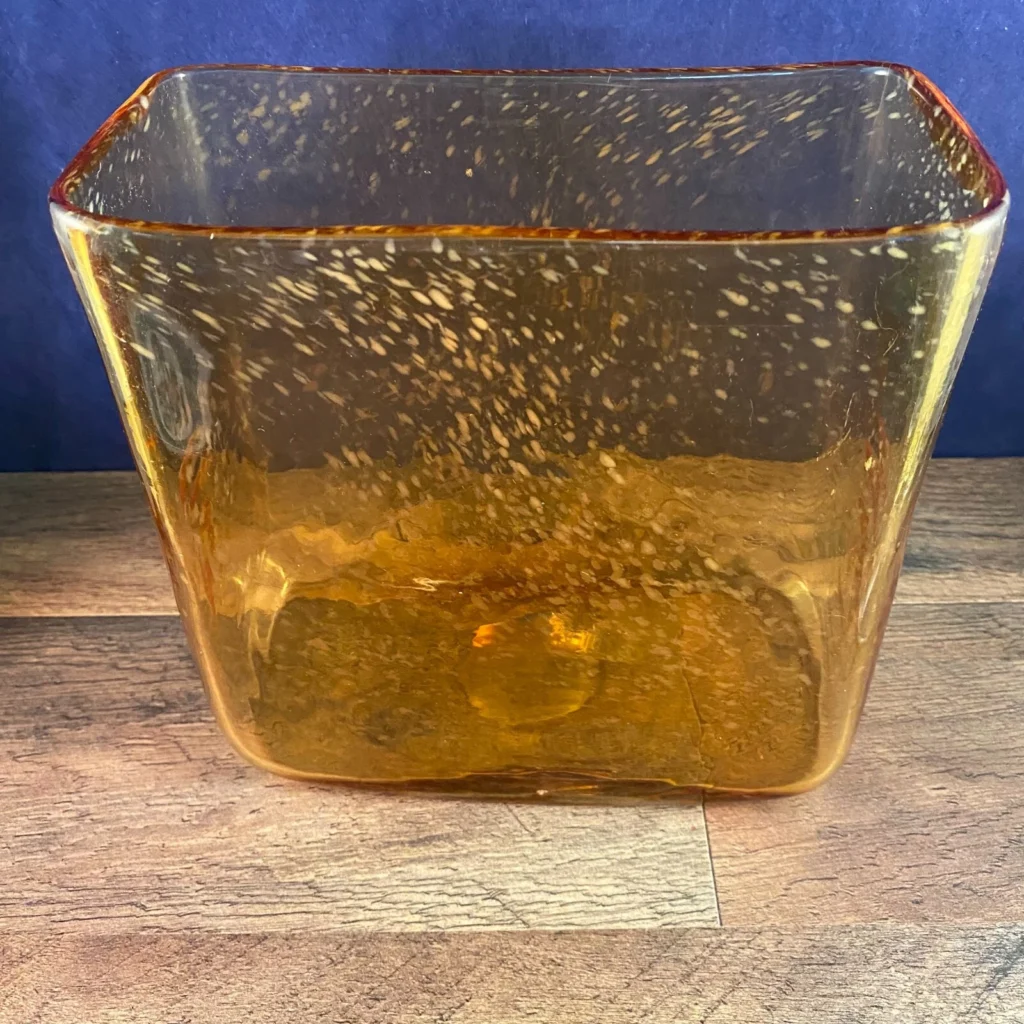
Blenko wasn’t pressed glass—they relied on skilled glassblowers, using rich colors and sculptural forms. Their 1950s architectural decanters—tall, sculpted bottles with vivid hues and sleek silhouettes—were so iconic they were featured in MoMA’s Good Design exhibition in 1950. These designs helped establish Blenko as a mid-century design icon, and their pieces remain highly collectible today.
Blenko’s ability to survive challenging times—incorporating glassware amid economic pressure and overcoming bankruptcy in the 21st century—underscored the vitality of handmade American design.
Anecdotes & Museum Connections
Depression Glass Finds: Stories abound of Depression-era sets resurfacing in attics, family estates, or thrift stores—all still vibrant decades later.
Blenko and MoMA: Blenko glass was featured in MoMA’s Good Design exhibitions of 1950 through 1953. These annual showcases celebrated the best in modern home furnishings, and Blenko’s inclusion firmly established the company among the design leaders of the era.
Tips for Collecting Depression & Mid-Century Glass
Depression Glass Collecting:
- Darker, opaque colors (like jadeite or cobalt) often fetch more.
- Complete sets—full tumblers, bowls, or plates—raise value.
- Prioritize original condition—chips or clouding reduce appeal.
Mid-Century Modern Glass:
- Signed pieces from Blenko or known designers increase value.
- Auctions of vintage mid-century glass can reach hundreds, even thousands, depending on rarity.
- Archival exhibitions increase desirability—Blenko’s MoMA history rescues mid-century glass from being overlooked.
Why These Eras Matter
The shift from Depression clarity and utility to post-war artistic daring tells a broader story: America’s glassmakers adapted to survive—and then to thrive creatively. From mass-produced optimism in hardship to sculptural daring in a confident new era, both embody resilience and reinvention.
Share Your Story
Are you enjoying this art glass series? I’d love to hear from you! Do you own Depression glass—maybe a set passed down from your grandparents—or a mid-century Blenko piece that reminds you of retro style? Share your stories and photos in the comments below.
Want more deep dives into antiques, collectibles, and decorative arts journeys through time? Subscribe for future posts on spotting fakes, caring for vintage treasures, and discovering fresh narratives behind old glass.
Let’s make history—one reflective piece at a time.