From the ornate “baby houses” of 16th-century Europe to modern artisan miniatures, dollhouses have always been far more than mere child’s play. They are cultural artifacts, educational tools, and works of art that reflect society’s evolving values, technology, and creativity. In this final installment of the dollhouse series, let’s explore more deeply what makes them so enduring.
A Window into History
Dollhouses offer a unique lens through which to see architectural trends, interior design, and daily life across centuries. Because many were made to scale with fine detail—fabrics, wallpapers, furniture—they preserve details that might otherwise have been lost.
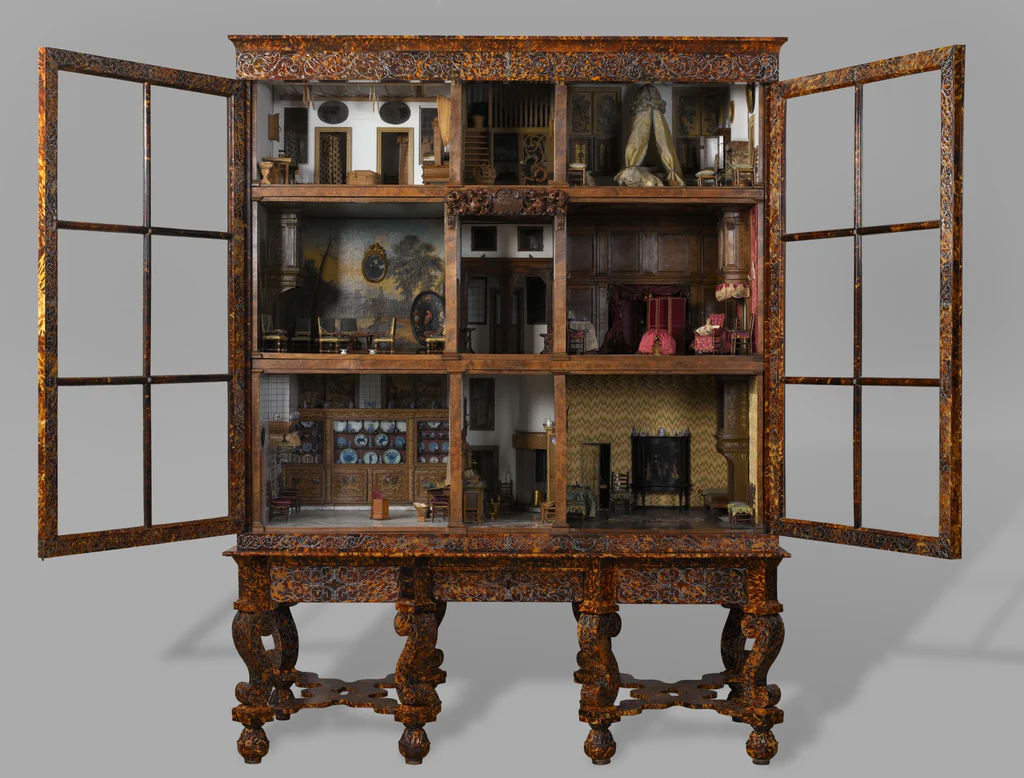
- Petronella Oortman’s house (c. 1686–1710, Rijksmuseum, Amsterdam) is one of the best examples. Its rooms are filled with authentic materials: tortoiseshell, pewter, porcelain, silk, etc. Because of its quality and scale, it gives a vivid sense of late-17th-century affluent Amsterdam life.
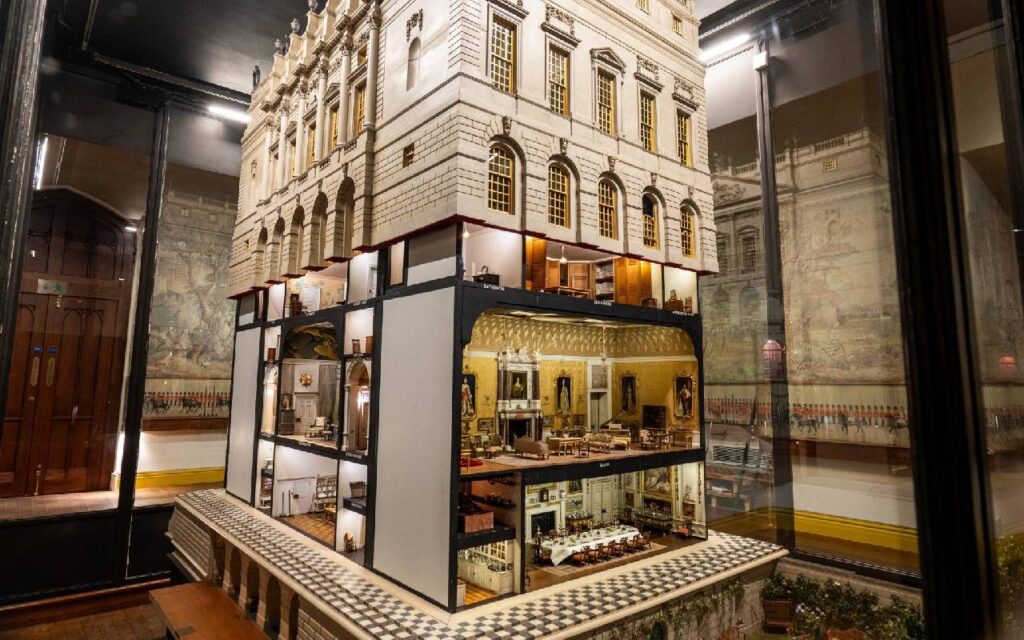
- Another example is Queen Mary’s Dolls’ House (1921–24), designed by Sir Edwin Lutyens, with over 1500 contributing artists, containing working electricity, detailed miniature books, wine cellar, and garden. It was built to represent “a miniature mansion such as the King & Queen might live in… in every detail complete.”
These artifacts do more than charm. They preserve craftsmanship: woodworking techniques, textile patterns, furniture styles, even decorative arts that were prevalent in full-size homes but later fell out of fashion. For historians and designers, dollhouses are micro-archives of style and material culture.
Collecting and Creating: The Revival
In modern times, collecting dollhouses remains a vibrant tradition, but there have also been shifts:
- Artists and artisans now build bespoke miniature homes—some reproductions of famous architectures, others imaginative or thematic fantasy constructs. These often integrate modern tools like 3D printing, laser-cut details, or LED lighting, but still rely heavily on handcraft.
- Museums and public collections continue to offer inspiration:
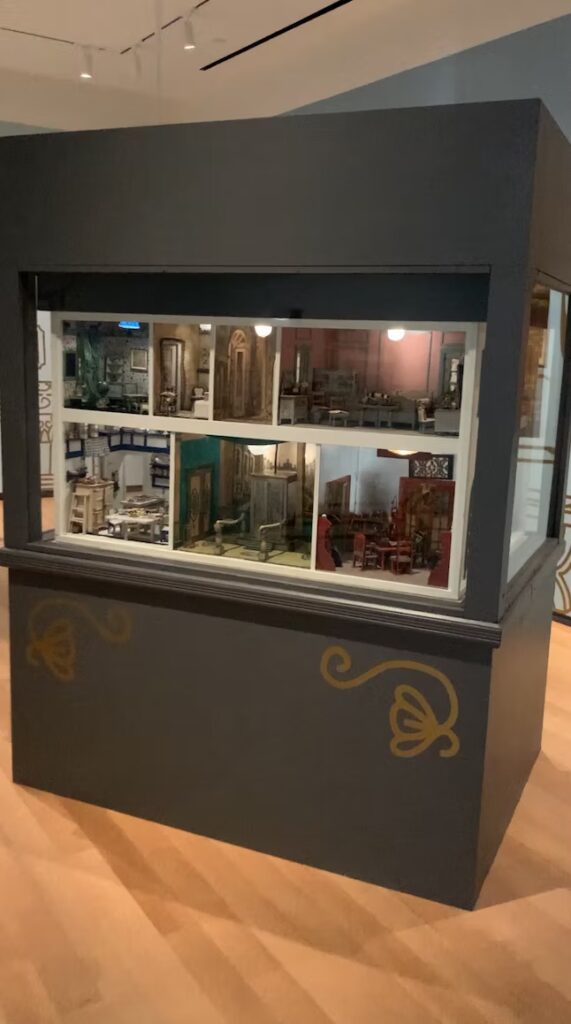
- The Stettheimer Dollhouse in New York: Carrie Walter Stettheimer worked nearly twenty years to furnish her 12-room dollhouse with original miniatures by avant-garde artists. It reflects Gilded Age taste and aesthetics.
- The doll’s house in the Rose-Marie & Eijk van Otterloo Collection, now at the Museum of Fine Arts, Boston: a three-by-three room Dutch-style house with hundreds of detailed miniature objects like silver, glass, porcelain, etc.
Moreover, collecting isn’t only about acquisition. Enthusiasts share techniques for miniatures, restoration, sourcing period wallpaper and fabrics, making period-correct furniture, lighting. Online communities, conventions, and maker workshops keep the tradition alive.
Why Collectors Love Dollhouses
What draws people to dollhouses? Beyond nostalgia, there are multiple layers of appeal:
- Historical Insight
They allow us to see and touch (sometimes literally) periods and places we didn’t experience: Victorian parlors, mid-century modern kitchens, Dutch Golden Age cabinetry. The scale forces attention—what wallpaper pattern, what chair style, what kind of fireplace was used? - Craftsmanship & Material Quality
Many old dollhouses exhibit stunning craftsmanship: inlaid woods, tiny hand-painted motifs, miniature metal hardware, hand-stitched upholstery, etc. These are works of craft in miniature. The artisans who make modern dollhouses often go to great lengths for authenticity and detail. - Emotional & Generational Connection
Dollhouses often become heirlooms. Many are passed down through families. In the Dutch Golden Age, women often specified that their cabinet-houses be inherited matrilineally (mother to daughter, etc.), underscoring the emotional as well as material value.
Also, miniature items often include familiar touches—wallpaper styles reminiscent of one’s childhood, furniture replicating a family living room—that deepen their emotional resonance. - Aesthetic & Artistic Expression
For many, the joy comes from design: the interplay of scale, color, texture. Some dollhouses themselves are exhibited as artworks. Dollhouses can express identity, social class, aesthetics beyond simply being toy objects. - Community & Shared Passion
The hobby involves collecting, restoring, sharing. Museums like the Nuremberg Toy Museum display historic dollhouses and miniatures, drawing collectors and historians.
Even now, people travel to see famous dollhouses: Queen Mary’s, Stettheimer’s, Oortman’s. Tours, exhibits, miniature fairs bring people together.
Verified Anecdotes & Special Dollhouses
Here are special examples that showcase how extraordinary some dollhouses are—not just as curiosities but as masterpieces:
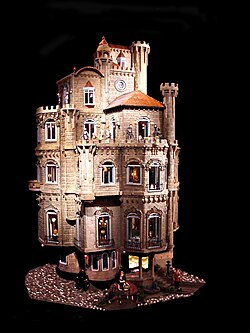
- Astolat Dollhouse Castle is considered one of the most elaborate dollhouses in the world. It is 9 ft tall, with 29 rooms, working fireplaces, stained glass panels, thousands of miniature pieces. It has been appraised at ~$8.5 million.
- Titania’s Palace (1907-1922), originally built in Ireland by James Hicks & Sons and commissioned by Sir Nevile Wilkinson, with 18 rooms and salons and mahogany, antique miniatures, etc. It toured exhibitions for charity.
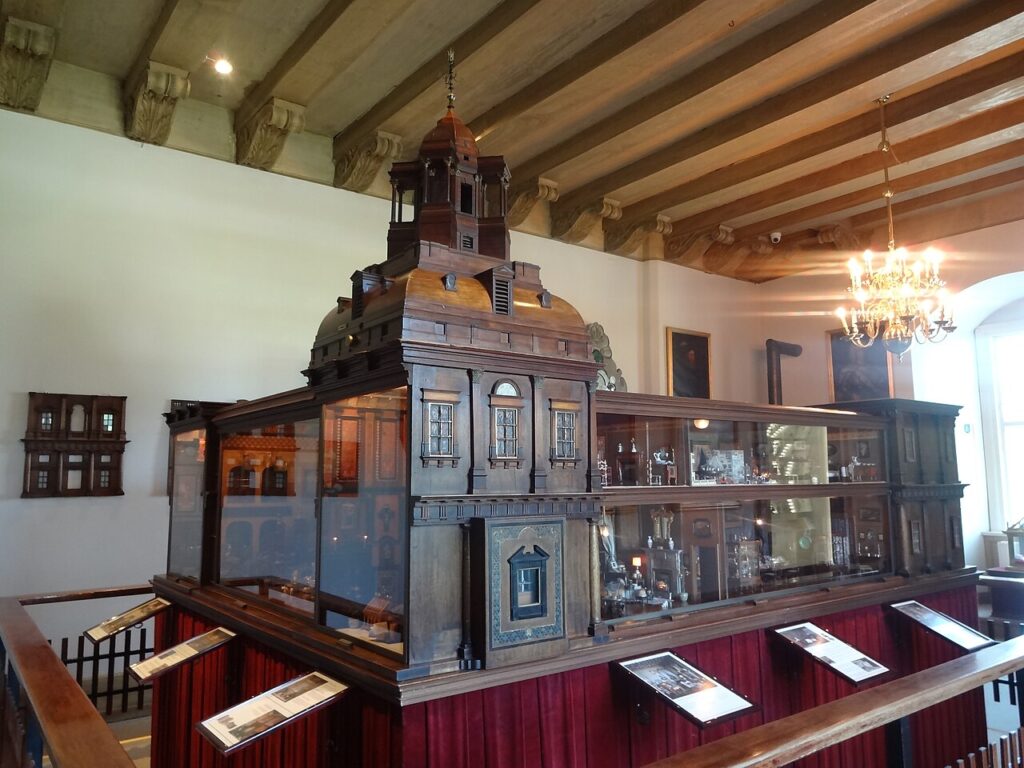
These are museum-quality dollhouses—far beyond children’s playsets—bringing us into an intersection of architecture, art, fantasy, philanthropy.
Dollhouses as Mirrors of Values & Technology
Over the centuries, dollhouses also reflect what societies value and what technology allows:
- In earlier centuries, craftsmanship was manual, expensive, signifying wealth and prestige.
- With industrialization and mass production, dollhouses became more accessible.
- In the 20th century, plastics, lithographed paper, mass furniture made dollhouses more affordable.
- In recent decades, technological tools—miniature electric lighting, digital design, 3D printing—allow for more intricate, precise, and imaginative miniatures.
Societal ideals shift too: In Victorian times, dollhouses represented domestic order, social hierarchy, gender roles; in the mid-century, perhaps suburban ideals; now, collectors often emphasize artistic expression, nostalgia, preservation, personal storytelling, or architectural homage.
Collecting Practices & Tips
For anyone interested in collecting or creating, here are some more detailed tips:
- Condition, completeness, provenance matter. Original furniture, accessories, matching wallpapers add value.
- Scale consistency: If you collect or build, keeping furniture, lighting, fixtures in the same scale (commonly 1:12, but sometimes 1:24 or others) keeps realism.
- Material authenticity: original woods, real fabrics, metal hardware over plastic when possible.
- Museum examples for study: Visit public collections like the Rijksmuseum (Oortman), Windsor Castle (Queen Mary’s), Nuremberg Toy Museum. Seeing originals can help with judging craftsmanship.
- Emotional value counts: Many collectors collect not only for monetary worth but for memories, for generational continuity.
Final Thought
Dollhouses are far more than nostalgic playthings; they’re portals into history, architecture, culture, craft, and human longing for home. In each miniature: windows, doors, furniture, wallpaper—there lies preserved artistry and social story.
Whether you collect Victorian dollhouses, track down vintage Barbie Dreamhouses, or build modern replicas full of personal touches, you’re part of a long lineage of makers and lovers of tiny universes.
Do you have a cherished dollhouse or a single miniature-piece with a story? Share it. Let’s Make History—one tiny room at a time.