
Art glass collecting isn’t only about decorating a shelf with something pretty—it’s about holding history, craftsmanship, and innovation in your hands. From the intricate cameo vases of Émile Gallé to the bold colors of mid-century Blenko, and on to today’s experimental studio glass, each era reveals its own story of reinvention. In this final post of the series, let’s explore why art glass keeps captivating collectors, and how today’s pursuits both honor tradition and push the boundaries of the medium.
Why People Collect Art Glass
Collectors aren’t just after beauty—they’re drawn to the stories, heritage, and innovation behind each piece.
Historical Connection
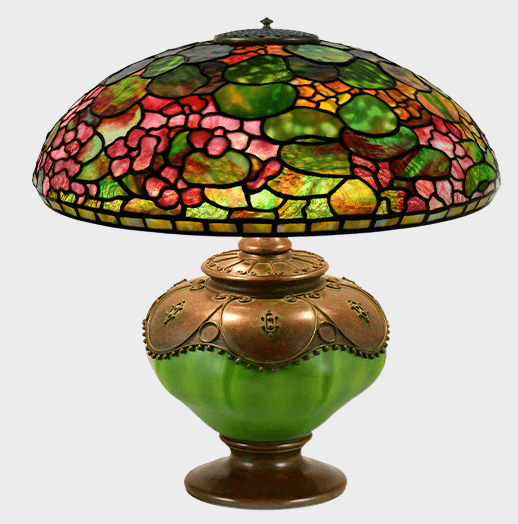
A Tiffany vase or a Blenko decanter isn’t just decorative—it’s a snapshot of its era’s design ideals, industrial techniques, and cultural values. When you handle one, you’re literally holding a piece of history.
Craftsmanship
From Gallé’s layered cameo glass and marquetry to a contemporary studio artist’s experimental blown forms, each piece showcases technical mastery. That artistry not only makes the work endure, but also keeps it endlessly fascinating.
Investment Potential
Some pieces appreciate dramatically over time. At Sotheby’s in 2015, a Tiffany “Oriental Poppy” floor lamp from around 1910 sold for over $1 million, setting a record for that model. Collecting art glass often means balancing cultural value with financial investment.
Real Stories Behind the Glass
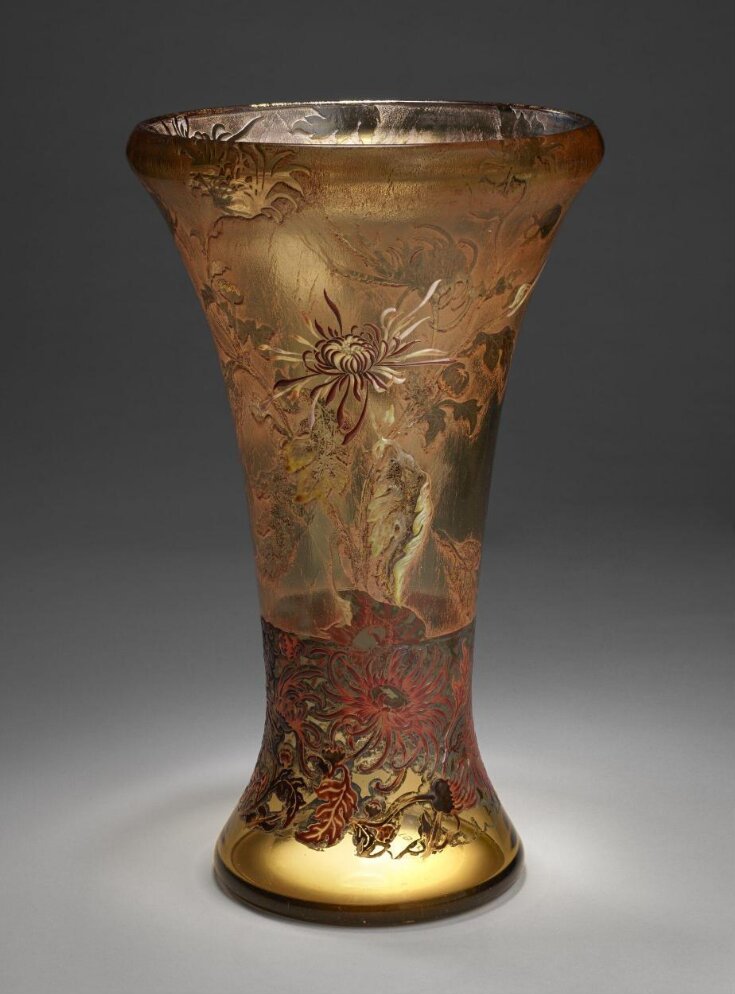
A Gallé Orchid Vase
Émile Gallé rose to international fame when his floral cameo vases were featured at the 1900 Paris Exposition Universelle—the showcase of Art Nouveau. His “Orchidée” vase, with layered rosy glass etched in delicate floral motifs, remains one of his most celebrated designs.
Tiffany Lamp Discoveries
Stories of rediscovered Tiffany lamps—like Dragonfly or Wisteria designs found in attics or estate sales—are part of collector lore. In reality, similar finds have happened: forgotten Tiffany lamps have surfaced and gone on to sell for six or seven figures at auction. It’s proof of Tiffany’s lasting allure—and the thrill of discovery that keeps collectors hunting.
Blenko’s Mid-Century Legacy
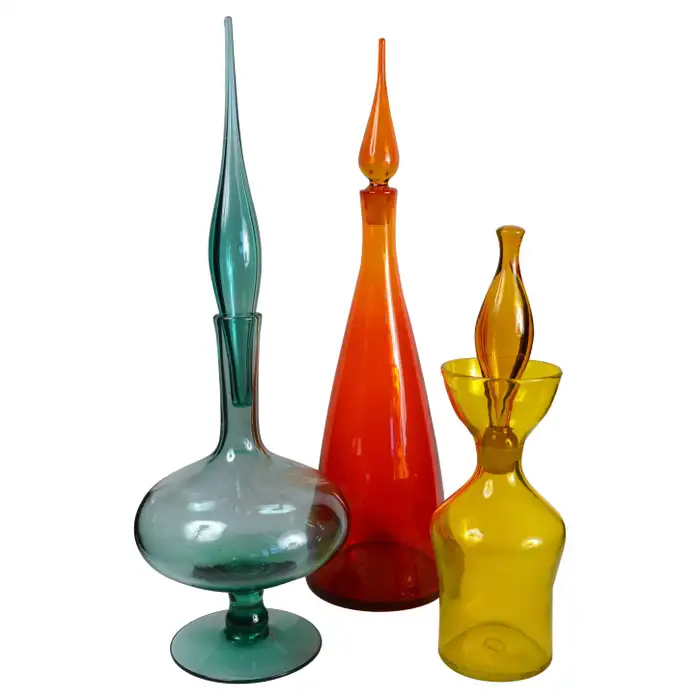
Blenko’s brightly colored, sculptural glass—especially their iconic stoppered decanters—became staples of mid-century American décor. Featured in MoMA’s Good Design exhibitions of the early 1950s and still housed in museum collections today, Blenko’s work remains both a design icon and a collector favorite.
These examples show how each piece encapsulates broader shifts—industrial innovation, stylistic evolution, and changing social tastes.
Building a Collection Today: How to Begin
Most collectors begin small—maybe with a Depression-era glass bowl found at a flea market or a contemporary studio piece picked up at an art fair. Over time, those starter finds can grow into focused collections:
- Era-Based: Specialize in Art Nouveau, Art Deco, or mid-century modern glass.
- Maker-Specific: Build a collection around Gallé, Tiffany, Loetz, or Blenko.
- Thematic: Focus on motifs like florals, geometric modernism, or iridescent finishes.
Today’s collectors have more resources than ever:
- Auctions & Marketplaces – Sotheby’s, Christie’s, and 1stDibs provide insight into current pricing, market trends, and rare opportunities.
- Museums & Collector Groups – Institutions like the Corning Museum of Glass, along with online collector forums, offer exhibitions, reference archives, and authentication guidance.
Why Art Glass Still Captivates
Art glass is more than decoration—it’s a form of storytelling you can hold. Every piece, whether antique or contemporary, records a chapter in design, technique, and human creativity.
Collectors aren’t just curating objects—they’re preserving culture. Each acquisition connects you with eras, artists, and movements. As studio glass evolves and historical pieces continue to resurface, the future of collecting looks as brilliant and varied as the glass itself.
As studio glass grows and historical pieces re-enter the market, the future of this hobby looks as brilliant and varied as the glass itself.
Share Your Collection
Do you have a cherished piece—vintage or modern—that holds personal meaning? Share your story or photo in the comments. And if you’d like more deep dives—subscribe and stay tuned.
Let’s make history—one glass masterpiece at a time.