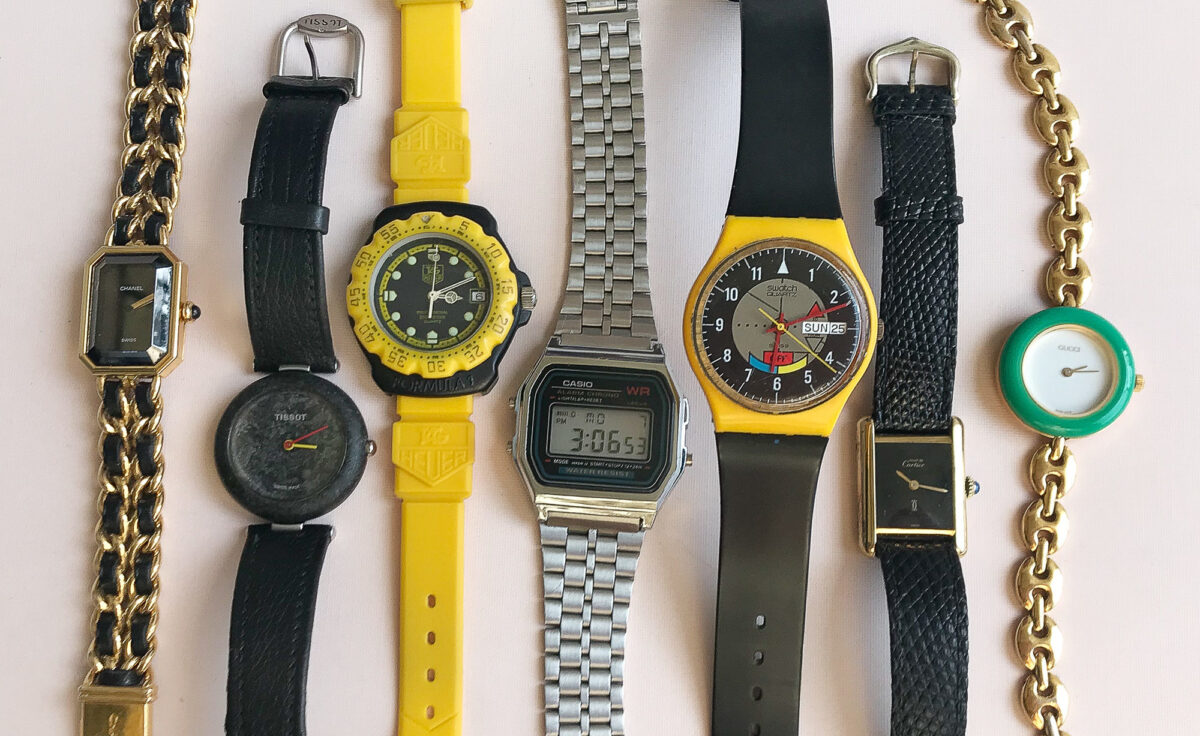
There’s a point in watch history when the story splits into three lanes—and collectors today tend to love all three.
One lane leans into luxury: craftsmanship, heritage, precious materials, and the idea that a watch can be a lifelong object (and sometimes a status signal). Another lane goes boldly digital: LED and LCD displays, pushers, alarms, calculators, and a kind of futuristic optimism that screams late 20th century. The third lane is where it gets especially fun: modern classics—watches that aren’t ancient, but are old enough to feel like a distinct era with its own design language and collecting rules.
This post is a collector-friendly tour through how luxury and digital rose side by side, how quartz changed everything, and what makes certain late-20th-century and early-21st-century watches feel “classic” already.
When Quartz Changed the Definition of “Good Timekeeping”
For centuries, “better” watches meant better mechanical engineering: improved escapements, more consistent balance systems, better finishing, and tighter regulation. Then quartz arrived and reframed the entire conversation.
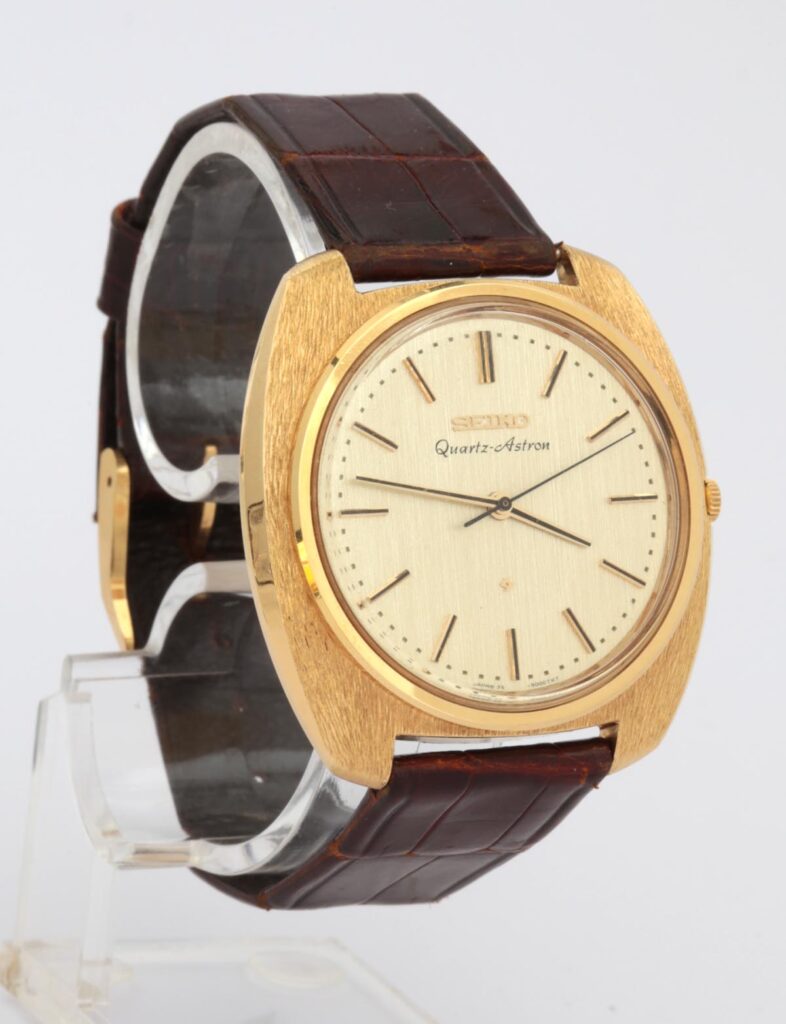
A major milestone was the release of the Seiko Quartz Astron on December 25, 1969, widely recognized as the first quartz wristwatch. The key point wasn’t brand loyalty—it was what quartz offered: timekeeping that was dramatically more accurate and more consistent than typical mechanical watches at a mass-market price point (once production scaled).
This shift helped ignite what’s often called the Quartz Crisis, an upheaval in the watch industry during the 1970s and early 1980s as quartz watches displaced mechanical watches in much of the global market.
For collectors, quartz is the dividing line between two mindsets:
- Mechanical watches as miniature machines (craft + tradition + artistry)
- Quartz watches as precision instruments (accuracy + accessibility + modern electronics)
Both are collectible. They’re just collectible for different reasons.
Digital Takes the Stage: LEDs, LCDs, and the Future on Your Wrist
If quartz changed how watches kept time, digital displays changed how people read time.
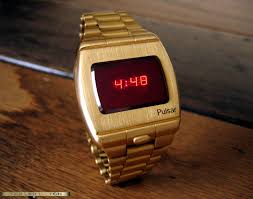
One of the most famous early digital milestones is the Hamilton Pulsar P1, widely cited as the first electronic digital watch, released on April 4, 1972. It used a red LED display that felt downright sci-fi for the era—and it was marketed as a luxury object, not a budget gadget.
After that, digital watches became a playground for features:
- alarms
- chronographs
- stopwatches
- backlights
- multiple time zones
- and eventually calculator functions and data features
As LCD displays became common and manufacturing costs dropped, digital watches moved from futuristic luxury to everyday utility—and then to pure pop-culture icon.
Why collectors love vintage digital
Digital watches are nostalgia machines. They instantly evoke decades: school days, gym class, first jobs, mall culture, sci-fi movies, and the feeling that technology was getting friendlier and smaller every year.
They’re also surprisingly design-forward. The best vintage digitals have strong cases, great typography, and instantly recognizable silhouettes—especially when you start comparing eras.
Luxury Watches in the Quartz Era: Survive, Adapt, and Redefine “Value”
Quartz didn’t end luxury watchmaking—it changed what luxury meant.
When inexpensive watches could keep incredibly accurate time, luxury brands had to double down on things quartz couldn’t replace as easily:
- craftsmanship and finishing
- mechanical complexity (chronographs, calendar complications, etc.)
- heritage storytelling
- precious materials and prestige
- design as identity
This is one reason “luxury” collecting can feel like collecting art: you’re not only paying for function. You’re paying for execution, tradition, and the emotional meaning people attach to certain brands and styles.
And crucially, the late 20th century saw a renewed appreciation for mechanical watches as objects of craft—not because they were the most accurate, but because they were the most human.
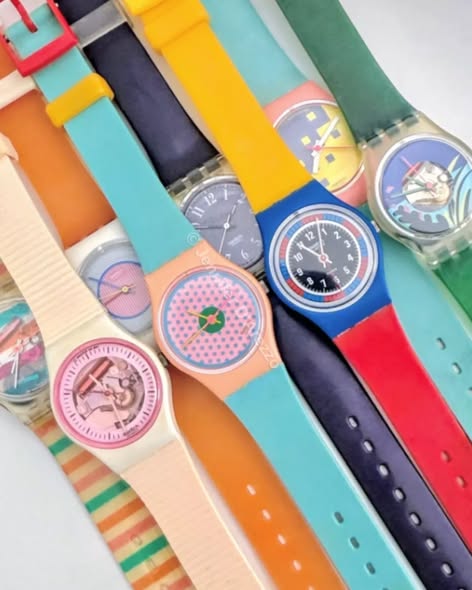
The Swatch Effect: Affordable Style as a Swiss Comeback Story
Another major pivot in this era was the idea that a watch could be affordable, fashionable, and fun without trying to compete on tradition or preciousness.
Swatch is closely associated with the Swiss industry’s adaptation and recovery during the quartz upheaval, and the first Swatch collection was introduced on March 1, 1983 in Zürich.
For collectors, Swatch and similar mass-market style watches are important because they show how watches became:
- more seasonal and design-driven
- more accessible as personal expression
- more about collecting multiples (“today’s mood watch”) rather than owning one forever
That shift helped build the modern “watch hobby” mindset: not one watch, but a rotation.
What Counts as a “Modern Classic” Watch?
In collecting, “modern classic” usually means:
- old enough to represent a distinct design/technology era
- new enough to still feel close to modern life
- iconic enough that people recognize it instantly
Modern classics can be luxury, digital, or everyday. The common thread is that they feel like a specific moment, not just “an old watch.”
Typical modern classic categories include:
- early quartz analogs with strong 1970s–80s design language
- iconic digital watches with distinctive case shapes and displays
- late-20th-century “tool” watches built for diving, aviation, or rugged work
- mid-to-late-century dress watches with clean, timeless proportions
- early “statement” watches that defined a brand’s modern identity
A modern classic doesn’t need to be the first of anything. It needs to be recognizable, era-defining, and still emotionally resonant.
Collector Checklist: Luxury, Digital, and Modern Classics
Because this era spans wildly different types of watches, it helps to evaluate by category—while keeping a few universal collecting rules.
Universal basics (for any watch)
- Dial condition: spotting, corrosion, flaking, heavy discoloration, repaints
- Case integrity: dents, deep scratches, over-polishing that softens edges
- Crown and pushers: correct style, smooth function, not forced
- Crystal condition: cracks, heavy scratching, missing crystals
- Provenance: boxes, papers, receipts, service documentation (when available)
Luxury-focused checks
Luxury collecting often cares about “correctness” and completeness.
Look for:
- consistent dial printing and logo details (overly fresh printing can be a red flag)
- correct hands and markers for the model/era
- bracelet/strap fit and originality where relevant
- documented service history (a big plus)
- realistic expectations around counterfeits and parts swaps
If you’re collecting luxury, it’s worth training yourself to slow down. The most expensive mistake is assuming “looks right” equals “is right.”
Digital-focused checks
Digital watches have their own aging issues, and they’re different from mechanical concerns.
Common things collectors evaluate:
- display health: missing segments, fading, uneven contrast
- case and pusher wear: sticky buttons can signal internal issues
- module function: alarm, light, mode switching
- battery corrosion: a major risk if a battery leaked
- original straps/bracelets: nice to have, but often replaced
A big digital-collector tip: the watch can look clean externally and still have internal damage from old batteries. If you can inspect the battery compartment safely, it’s worth doing.
Quartz analog checks
Quartz analog watches can be excellent collectibles, but they have a few category-specific realities:
- quartz movements are often replaceable rather than “rebuilt” like mechanicals
- some older quartz movements can be harder to source parts for
- non-running may be a simple battery issue—or something deeper
If you love the design, quartz can be a surprisingly approachable way to collect iconic eras without luxury-level pricing.
Restoration vs. “Leave It Alone”
This era creates an interesting tension.
- Some collectors love pristine restorations and like their watches to look crisp and “as new.”
- Others prefer honest wear—especially on tool watches and vintage digitals, where patina feels authentic.
A practical compromise many collectors use:
- preserve original dials whenever possible
- avoid aggressive case polishing
- service movements for health
- replace only what’s necessary for function, keeping original parts when possible
Why This Era Is So Collectible Right Now
Luxury, digital, and modern classics share a common advantage for collectors: they’re close enough to our own lives to feel personal. Many people can point to “the kind of watch” their parent wore, what they wore in high school, what they saved up for, or what they saw in a movie.
This era is also a goldmine for display and storytelling:
- a luxury piece tells a craft story
- a digital tells a technology story
- a modern classic tells a nostalgia story
- and a mixed collection shows how many “definitions of time” can live side by side
Timekeeping didn’t evolve in a straight line. It branched. And those branches are exactly what make watch collecting so satisfying.
Let’s Make History—one era at a time.