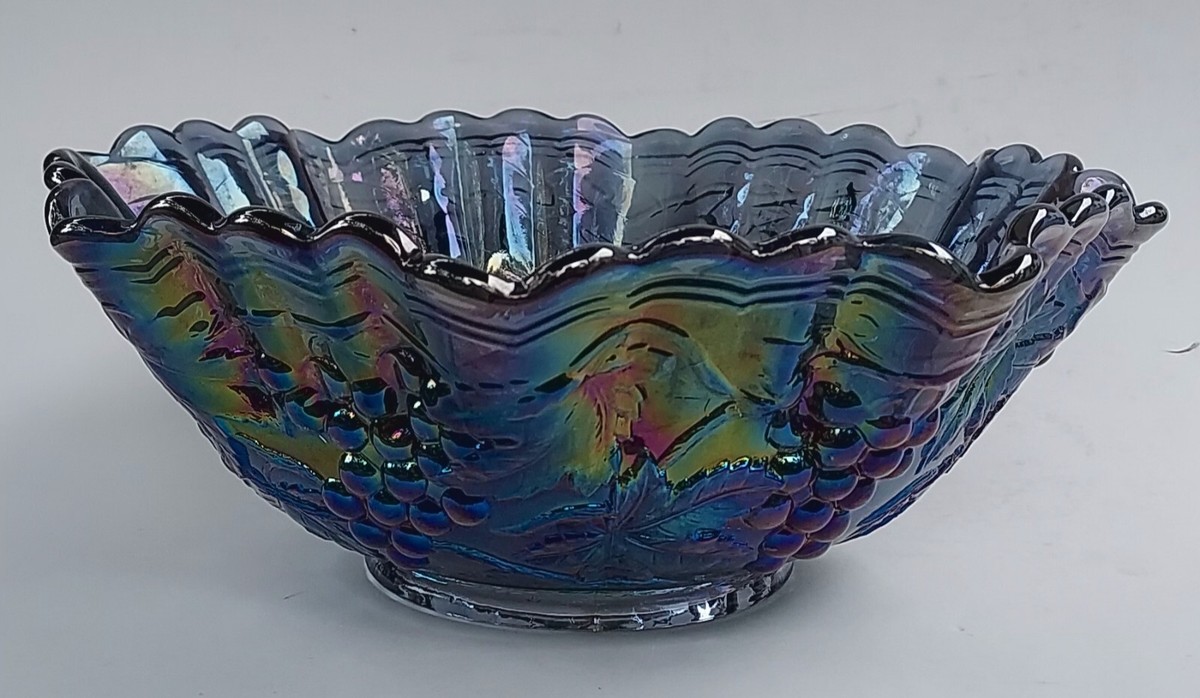
If you’ve ever picked up a piece of carnival glass and turned it slowly under a lamp, you know the moment: the surface flashes from gold to violet to peacock blue, like an oil slick caught in sunlight. It feels a little bit magical—especially because, at its heart, carnival glass was meant to be everyday. That combination of glamour and practicality is exactly why collectors keep falling for it.
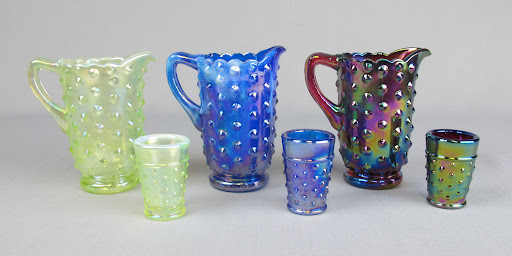
Carnival glass is essentially pressed (molded) glass with an iridescent surface treatment. It was made in huge variety—bowls, plates, tumblers, candy dishes, vases—often in bold patterns that were designed to catch and scatter light. Today it’s collectible for its color, pattern, and nostalgia. But its origin story starts with something even more interesting: a deliberate attempt to offer the shimmer and luxury of high-end art glass in a more affordable, mass-produced form.
This is the story of how carnival glass was born—why it appeared when it did, how makers achieved that famous iridescence, and how it moved from new “sparkle ware” to a defining collectible category.
What Is Carnival Glass, Exactly?
At its core, carnival glass is pressed glass—meaning it was formed in a mold, rather than hand-blown into shape. While the glass was still hot (or reheated), makers applied a thin iridescent layer using metallic compounds, creating that signature rainbow sheen. The combination of molded pattern + shimmering surface is what gives carnival glass its unmistakable look.
A quick collector-friendly way to describe it is:
- Pressed glass body (often with strong, repeating patterns)
- Iridescent surface (a thin layer that reflects shifting colors)
- Made in both functional and decorative forms (tableware and display pieces alike)
This matters because carnival glass is not “one thing.” The same finish appears across many shapes, patterns, and base colors—so understanding its origin helps make sense of why there’s such variety.
Why Carnival Glass Appeared When It Did
Carnival glass emerged in the early 1900s—a moment when households were hungry for beauty, but not everyone could afford luxury art glass. High-end iridescent glass from elite makers was admired for its shimmer and artistry, but it was priced for wealthier buyers. Pressed glass, on the other hand, was already a proven way to mass-produce attractive tableware at accessible prices.
Putting those ideas together created a compelling “why”:
- Pressed glass could be produced efficiently.
- Iridescence created a high-impact, “special” look.
- Patterned molds made pieces visually rich even before the sheen was applied.
In other words, carnival glass wasn’t an accident. It was a smart product idea: make light-catching beauty available to ordinary homes.
Early American Beginnings: The First Iridescent Pressed Ware
Most collectors point to American makers as the first major producers of iridescent pressed glass in the style we now call carnival glass. Early trade names did not typically use the term “carnival glass.” Companies marketed the look under their own names—often emphasizing “iridescent” or “art” qualities.
One of the reasons this category can feel confusing at first is that the name “carnival glass” came later. The glass existed first; the collector label came afterward.
So why is it called “carnival” glass?
Manufacturers didn’t originally call it ‘carnival glass’—they marketed it under their own trade and catalog names. The ‘carnival glass’ label is a later collector nickname, commonly linked to the idea that some iridescent pressed pieces were used as prizes at fairs and carnivals. Accounts vary on exactly when the nickname became widely used, but the key point is that the term came after the glass itself.
That’s helpful for modern collecting because it gives you a single category name for a wide world of makers and patterns.
How Carnival Glass Was Made: The Iridescent “Dope” and the Molded Pattern
If you want to understand carnival glass, it helps to picture the process in stages. The shimmer isn’t painted on afterward like a craft glaze—it’s created when metallic compounds bond to the hot surface of the glass.
Step 1: Pressed into a mold
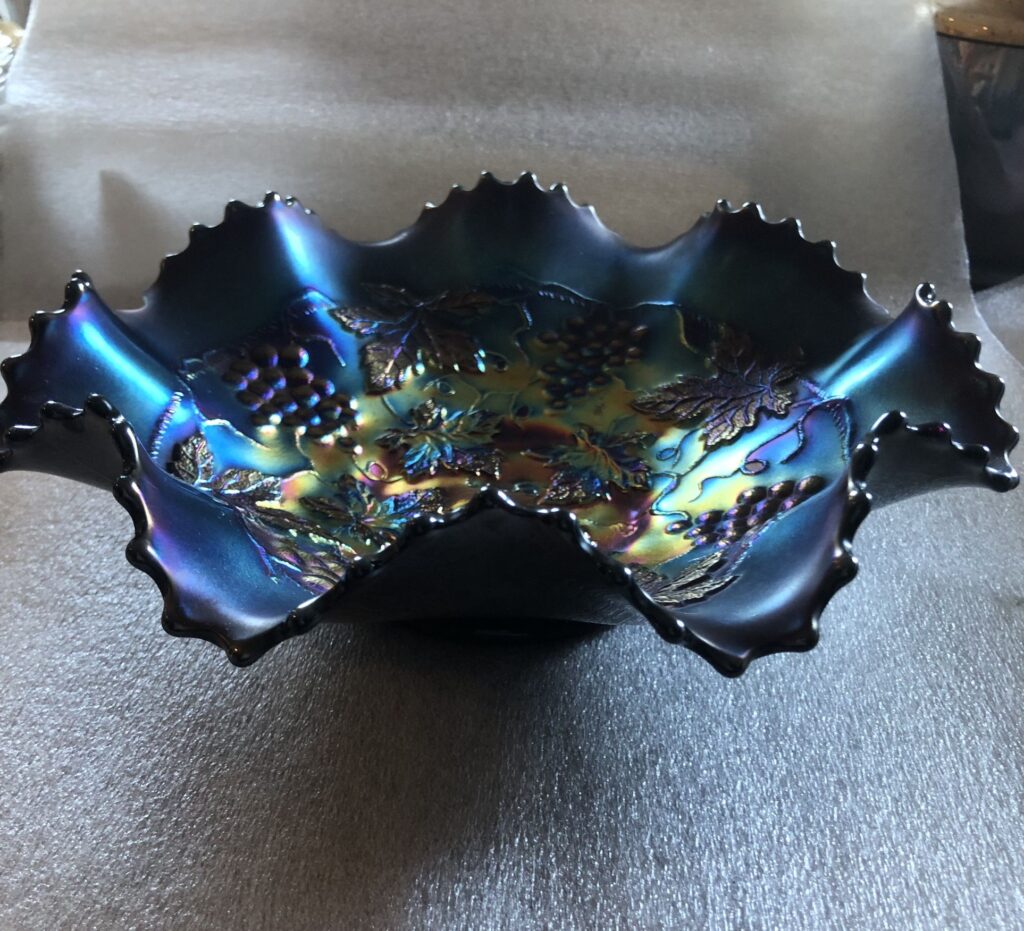
Carnival glass begins as molten glass pressed into a patterned mold. That’s where the crisp designs come from: ribs, grapes, geometric fans, petals, stars, and countless other motifs.
Step 2: Shaping and finishing while hot
Many pieces were shaped after pressing—ruffled edges, crimped rims, flared mouths, or slight stretching. Those details matter to collectors because they can become part of a maker’s “signature look.”
Step 3: Reheating (when needed)
If the piece cooled too much during handling, it could be reheated so the surface was hot enough for the iridescent treatment to adhere properly.
Step 4: Applying metallic compounds for iridescence
While the glass was still hot, makers sprayed or applied metallic compounds (often described historically as metallic salts). This is the moment where the magic happens: the thin surface layer creates light interference that produces shifting rainbow tones. Different formulas, application amounts, temperatures, and base glass colors all influence the final look.
Step 5: Cooling and annealing
After the iridescent layer was applied, the piece needed controlled cooling so it wouldn’t crack. Like many glass processes, temperature control mattered.
Collector takeaway: two pieces in the same pattern can still look different because iridescence is sensitive to variables—heat, application, and batch differences. That variation is part of the fun.
What Early Makers Were Trying to Achieve
Carnival glass wasn’t only about “pretty.” It was about effect—how a home looked and felt with light bouncing off surfaces. Before bright, widespread household lighting, a reflective, iridescent centerpiece could make a room feel livelier. Put a bowl on a table near a window, and the entire surface becomes movement.
Early makers leaned into that effect by combining:
- high-relief patterns (deep texture catches highlights)
- shimmering finish (turning the surface into shifting color)
- strong silhouettes (ruffled rims, footed bases, flared shapes)
You’ll notice that many classic carnival forms—bowls, compotes, vases—are shaped to display well even when empty. That’s not accidental. Carnival glass is functional glassware that also behaves like décor.
Early Popularity and the “Everyday Luxury” Appeal
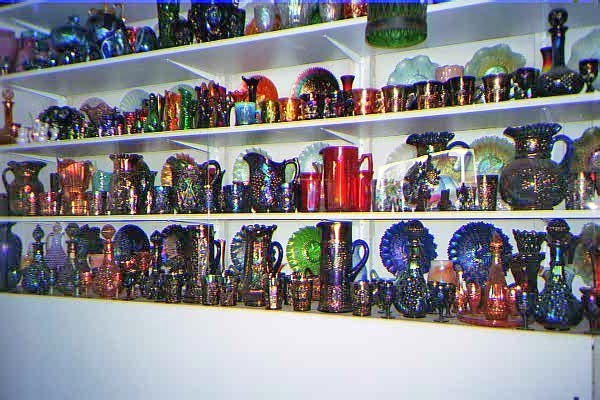
Once the look caught on, other companies followed. The appeal was obvious: carnival glass looked expensive at a glance, but it could be produced at scale. It worked as tableware, gifts, prizes, and display pieces. A household could own something shimmering and dramatic without buying high-end art glass.
This is where carnival glass becomes a true cultural object. It wasn’t just glass—it was aspirational sparkle. People could brighten a home with a centerpiece, candy dish, or set of tumblers that felt special.
It also fit a wider trend: decorative household goods becoming more widely available in the early 20th century. Carnival glass belonged to that era of “accessible beauty.”
The Role of Pattern in Carnival’s Identity
Even in its earliest days, carnival glass was deeply tied to pattern. Pressed glass molds gave manufacturers a huge design canvas: bold repeating motifs, geometric symmetry, and nature-inspired relief work that could read from across a room.
For collectors today, pattern is often the first thing you learn to recognize:
- some patterns are instantly identifiable
- some are shared across makers or resemble each other
- some appear in many base colors
- some are scarce in certain colors or forms
Pattern also explains why carnival glass collecting can become wonderfully specific. Some collectors focus on one maker, some on one pattern family, some on one color category, and some on one form type (like water sets, compotes, or vases).
Early Forms You’ll See Again and Again
When you’re learning carnival glass history, it helps to know the “classic silhouettes” that show up frequently across early production:
- Bowls (often ruffled or crimped at the rim)
- Plates and platters
- Compotes (stemmed serving pieces)
- Vases (including flared and footed forms)
- Candy dishes and covered containers
- Tumblers and goblets
These forms were practical, giftable, and display-friendly—perfect for a product line meant to spread widely.
Why the Early Story Matters for Collectors
“The birth of carnival glass” isn’t just trivia. It’s a tool. Knowing the origin helps you:
- Describe pieces accurately (pressed + iridized, not simply “colored glass”)
- Understand variation (why the same pattern can look wildly different)
- Appreciate maker intent (this was designed to catch light dramatically)
- Build a focused collection (maker, pattern, form, or color themes)
And perhaps most importantly, it helps you see carnival glass the way early buyers saw it: as a small piece of everyday luxury—sparkle you could afford.
In the next posts in this series, we’ll go deeper into the patterns, colors, and international makers that expanded carnival glass into a global phenomenon. But it all starts here: pressed glass, a hot surface, a metallic spray, and a desire to make ordinary rooms feel brighter.
Let’s Make History—one iridescent glow at a time.