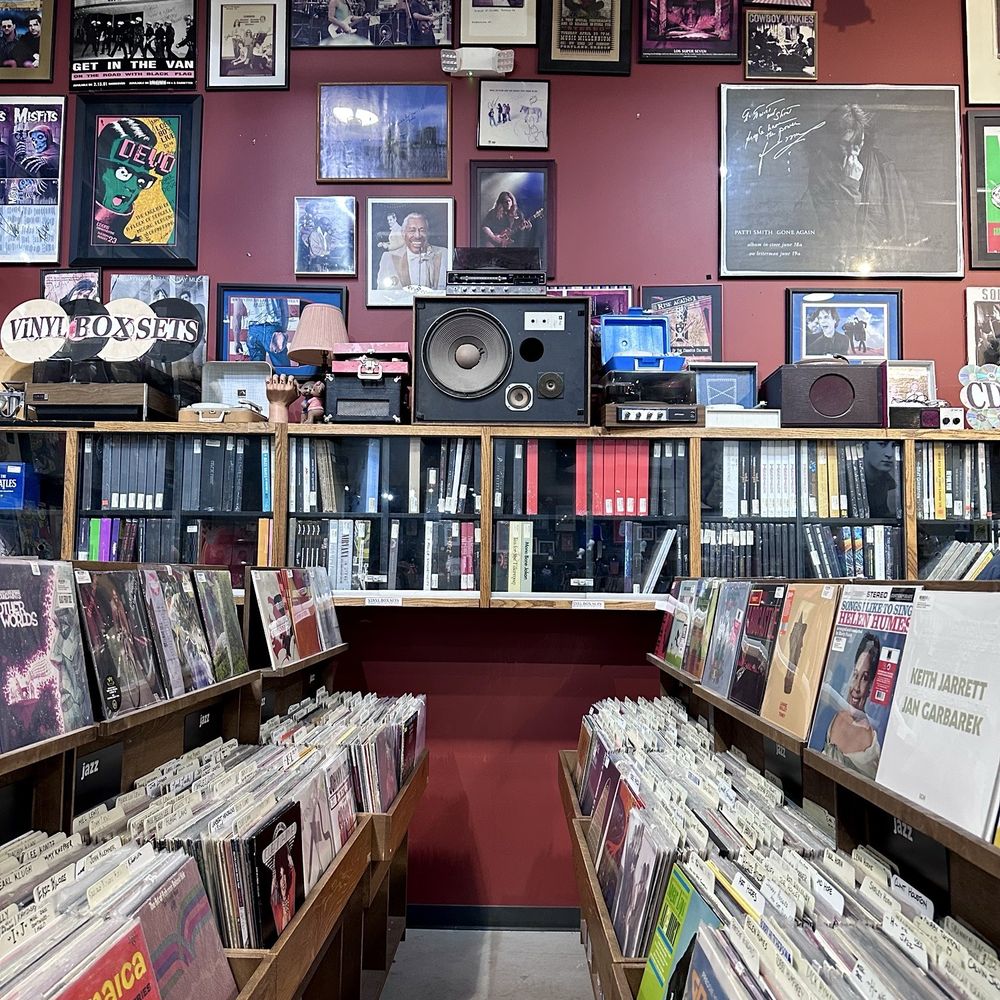
Some collectibles are about finishing a set. Country music memorabilia is often about something deeper: telling a story you can hold.
A record isn’t just sound—it’s a moment captured and packaged for a listener who wanted to take something home. A ticket stub is a timestamp. A worn tour shirt is proof that a night mattered. A fan club newsletter is the voice of a community long before “followers” meant anything online. Put enough of these pieces together and you don’t just own objects—you’ve built a narrative.
If you’re a big fan of Johnny Cash, the Cash family, and The Highwaymen, you already know how storytelling works in country music: it’s direct, human, and built around lived experience. The good news is you can collect the same way. This post is a guide to collecting memorabilia as chapters, not clutter—so your collection becomes a story you can see, share, and actually enjoy revisiting.
What It Means to “Collect a Story” (Not Just Stuff)
A story-driven collection does three things:
- It has a point of view.
- It has structure.
- It has receipts—context that makes the pieces meaningful.
That doesn’t require rare artifacts or celebrity provenance. It requires intention.
Think of your collection like a bookshelf. A few books placed randomly can still be good books—but a curated shelf feels different. The same is true for memorabilia: when your pieces connect, the entire collection becomes more valuable to you (emotionally and visually), and often easier to care for, display, and grow.
Choose Your Story Lens: Four Collector Lanes That Always Work
If you want your collection to tell a story, start by choosing a lens. You can change or expand later, but picking one lane now prevents the “random pile of cool things” problem.
1) The artist-and-circle lane
This is ideal if you’re collecting around an artist and their closest collaborations.
You’re not collecting “everything.” You’re collecting a connected universe:
- Core releases and key eras
- Related collaborations and family threads
- A dedicated supergroup corner like Highwaymen material
- Supporting paper and promo items that make the timeline feel real
2) The era-and-aesthetic lane
This is about building a consistent visual and tactile world:
- Radio-era paper and early formats
- Mid-century design language in posters and promo
- Later touring culture through tickets, merch, and modern promo items
3) The theme-and-story lane
Collect around themes country music does best:
- The road and touring life
- Faith and redemption
- Working life and the everyday hero
- Outlaw attitude and authenticity
- Family, legacy, and collaboration
4) The place lane
Country music is deeply place-rooted. This lane can be surprisingly powerful:
- A single venue type (theaters, fairgrounds, arenas)
- Your home region’s concerts and radio culture
- Local promoters, record stores, and community papers
Collector tip: If you’re not sure which lane fits, choose the one that makes you want to tell someone about your collection. That’s usually the right story.
Build “Story Kits”: The Easiest Way to Make a Collection Feel Curated
One of the best tricks for storytelling through memorabilia is collecting in small clusters. Think of each cluster as a mini exhibit.
A “story kit” can be:
The Sound + The Moment + The Proof
- A record (or CD)
- A ticket stub or program
- A poster, press photo, or promo piece
The Artist + The Audience + The Business
- A release (album/single)
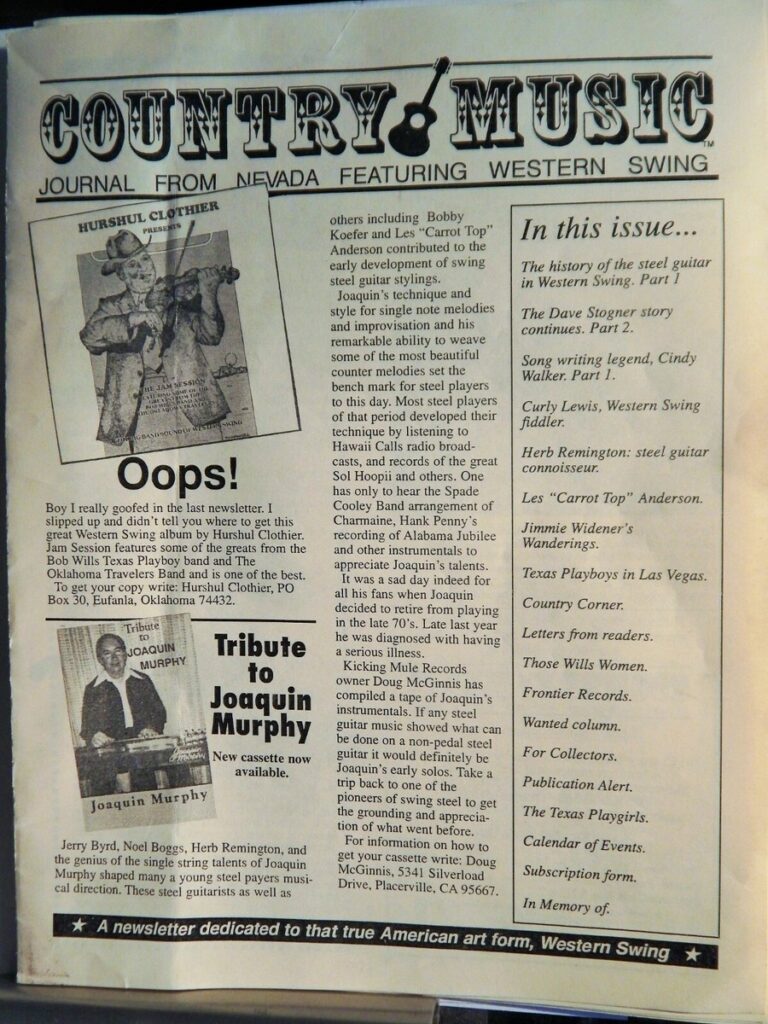
- A fan club item or newsletter
- A promotional one-sheet, radio promo, or store display piece
The Night + The Wearable + The Paper Trail
- Ticket or wristband (when applicable)
- Tour shirt/hat/button
- Flyer or venue handbill
These kits don’t have to be expensive. They just need to connect. Once you’ve built a few story kits, your collection stops looking like a collection of objects and starts looking like a set of chapters.
Let the Memorabilia Speak: How to “Read” What You Find
Country memorabilia is full of clues. Train yourself to look for them, and even common items become interesting.
Records and sleeves
- Label variations, catalog numbers, promo markings
- Store stamps on sleeves (great for place-based storytelling)
- Inserts, hype stickers, order forms, inner sleeves
Paper ephemera
- Venue names, promoters, sponsors
- Print marks, distribution notes, mailing folds
- Handwritten notes (especially dates, setlists, “who I went with”)
Tickets and stubs
- City, venue, seat section, price
- Paper stock and printing style that fits the era
- Natural wear: corners, creases, wallet folds that make sense
Tour merch
- Natural wear patterns (collar, underarms, hems)
- Print aging that looks genuine (not theatrical distressing)
- Design language that fits the artist’s branding and time period
Collector tip: A handwritten note on the back of a ticket—who went, how it felt—can be more valuable (emotionally) than a pristine example with no story attached. Don’t overlook “ordinary” items with extraordinary context.
Story Ideas for Collectors
You can build a story-driven collection around Johnny Cash, as well as other artists, and related projects without needing rare, high-dollar artifacts. Here are a few narrative frameworks that work well and stay flexible.
The visual story
Focus on how the look reinforces the message:
- Concert photos, press images, tour books
- Posters and programs with strong black-and-white design
- A small display of stage-style items (even if not celebrity-owned)
The “live performance” timeline
Build around experiences and venues:
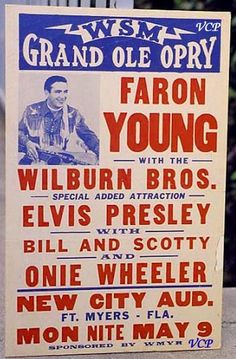
- Tickets, posters, handbills
- Live releases and tour programs
- Any venue-branded ephemera that anchors time and place
The Collaborations
Keep it coherent by defining boundaries:
- Items that show collaboration, legacy, and shared history
- Family-adjacent paper: interviews, programs, official promo
- A consistent display style (frames, sleeves, labels) so it reads as one chapter
The point isn’t completion. The point is narrative clarity.
Provenance and Authenticity: Keep the Story Honest
Storytelling is powerful—so it’s also where sellers sometimes get creative. The best protection is a simple mindset: buy the piece for what it is, not what someone claims it was, unless proof supports the claim.
What helps a story stay reliable
- Photographs that clearly match a specific item (distinctive details)
- Paper trails: receipts, letters, reputable auction documentation
- Consistent context: location, venue, timeframe that makes sense
Common red flags in story-heavy memorabilia
- Big claims with vague language (“from Nashville,” “industry-only,” “from a roadie”)
- Modern-looking paper sold as vintage
- Artificial aging applied evenly rather than naturally
- “Signed” items without convincing context (especially if the signature is the main value driver)
Collector tip: It’s perfectly fine to own tribute items and modern prints—just label them honestly in your collection so your story stays clean.
Preserve the Story: Simple Documentation That Adds Meaning
If you want your memorabilia to tell stories for years (and not become a mystery box later), document as you collect.
A lightweight system that works:
- Create a note card or small label for each item with:
- What it is
- Where you got it
- Any known date/venue/release context
- Why it matters to your story lane
For paper and small items, consider a binder system:
- Archival-style sleeves
- Sections by lane (Cash, Cash family, Highwaymen, touring, promo)
- A “story kit” page layout that groups related items together
This takes minutes and turns your collection into something you can actually show with confidence.
Display Like a Storyboard: Make It Visual Without Damaging It
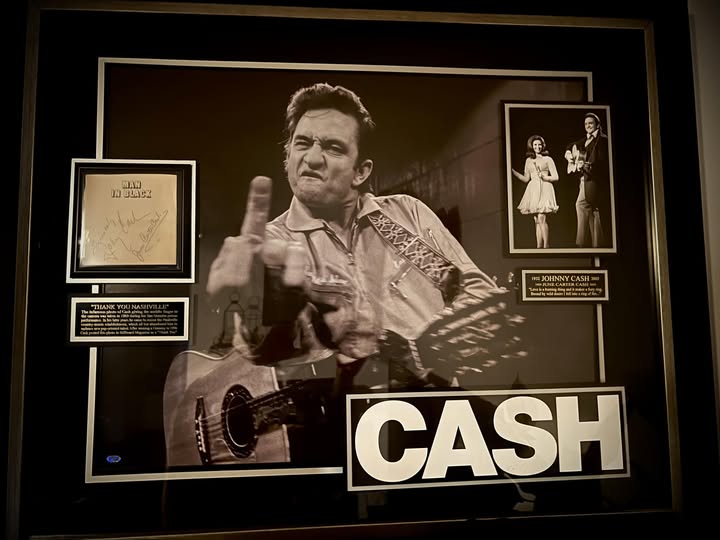
Story-driven display is about sequencing and contrast, not crowding.
Easy display formats
- The three-item vignette: record + ticket + photo/promo
- The timeline shelf: items arranged chronologically left-to-right
- The theme wall: posters and paper framed as a unified design language
- The rotating exhibit: a small “current chapter” display that changes seasonally
Protect while you display
- Keep paper out of direct sunlight
- Use protective sleeves and stable storage for anything fragile
- Rotate displayed paper items rather than leaving them up permanently
- Store textiles clean and dry; avoid constant hanger stress for heavier garments
A well-protected display is more than aesthetics—it’s long-term preservation.
A Gentle Collector’s Checklist
Before you buy, ask:
- Does this fit my story lane (artist circle, era, theme, or place)?
- Can I connect it to a moment (release, tour, venue, collaboration)?
- Is the condition stable enough for storage and display?
- Is this item deepening a chapter—or starting a new one I don’t want?
- If the item comes with a story, do I have proof—or am I paying for a pitch?
- Can I build or complete a story kit with what I already own?
Country music is built on storytelling. When you collect with that same intention, your memorabilia becomes more than memorabilia—it becomes a living narrative.
Let’s Make History—one country story at a time.