
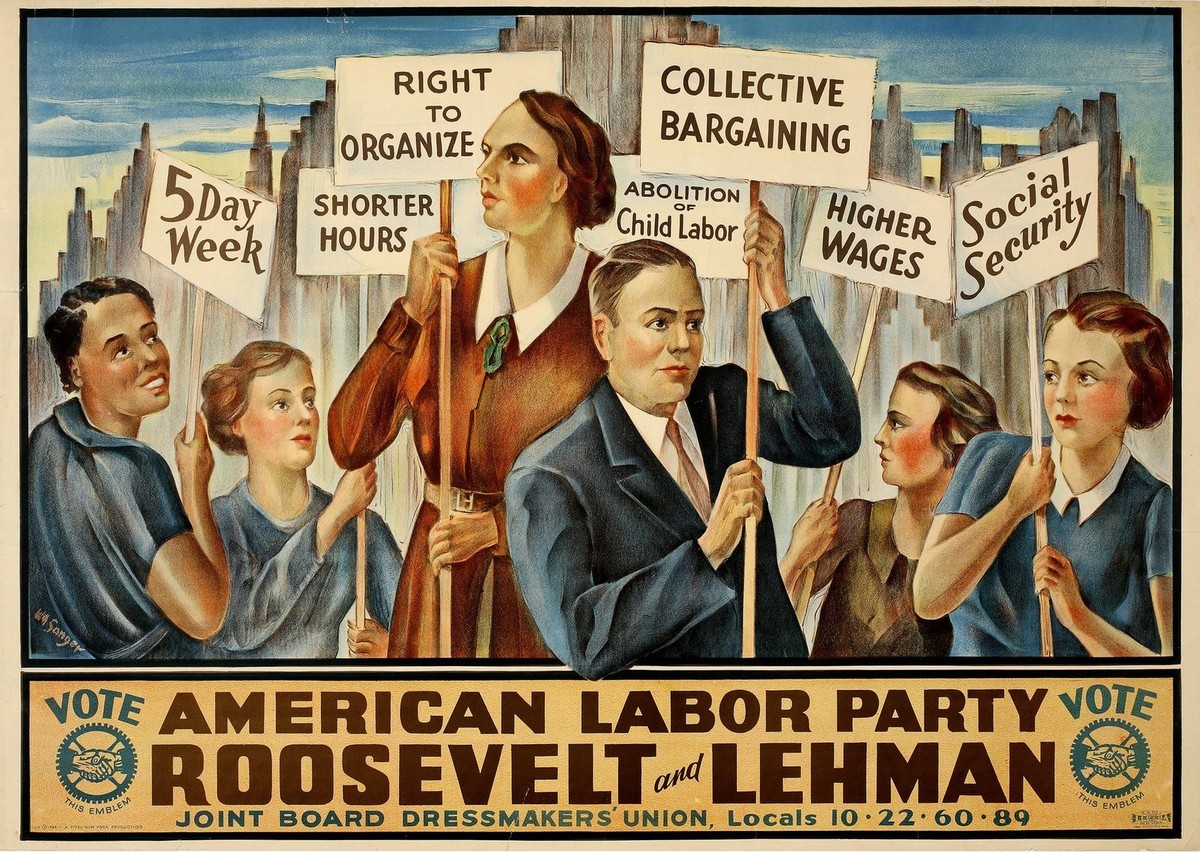
Walk into any antique mall and you’ll see it: a gorgeous enamel street sign, a bold union poster, or a weathered campaign piece that instantly pulls you into a different moment in time. Political and social signs don’t just advertise a candidate or a cause—they capture what a community cared about right then, in the language, design, and urgency of the day.
For collectors, that’s the thrill. These items are time capsules: handmade protest placards, mass-printed broadsides, crisp lithographed posters, and yes—those ubiquitous yard signs that defined late-20th-century campaigning. Whether you collect for design, history, or the stories behind the slogans, political and social signage is one of the most direct ways to “hold” the past.
Let’s talk about what falls into this category, how these signs evolved, what collectors look for, and how to buy and care for them wisely.
What Counts as a “Political & Social Sign”?
In collecting, “sign” doesn’t just mean metal. Political and social messages show up in a wide range of formats, including:
- Campaign posters and banners (paper, cloth, or printed “banner-style” graphics)
- Broadsides and printed notices (single-sheet announcements meant to be posted publicly)
- Yard signs (cardboard or corrugated plastic on stakes)
- Protest placards and rally signs (often handmade on poster board or cardboard)
- Union and labor signage (posters, shop signs, strike notices, union-made labels on printed pieces)
- Movement posters (civil rights, suffrage, environmental campaigns, peace movements, and more)
What ties them together is purpose: these pieces were designed for public visibility—fast communication, big lettering, strong contrast, and a message meant to be understood at a glance.
A Short History of Political Signage (Without the Myths)
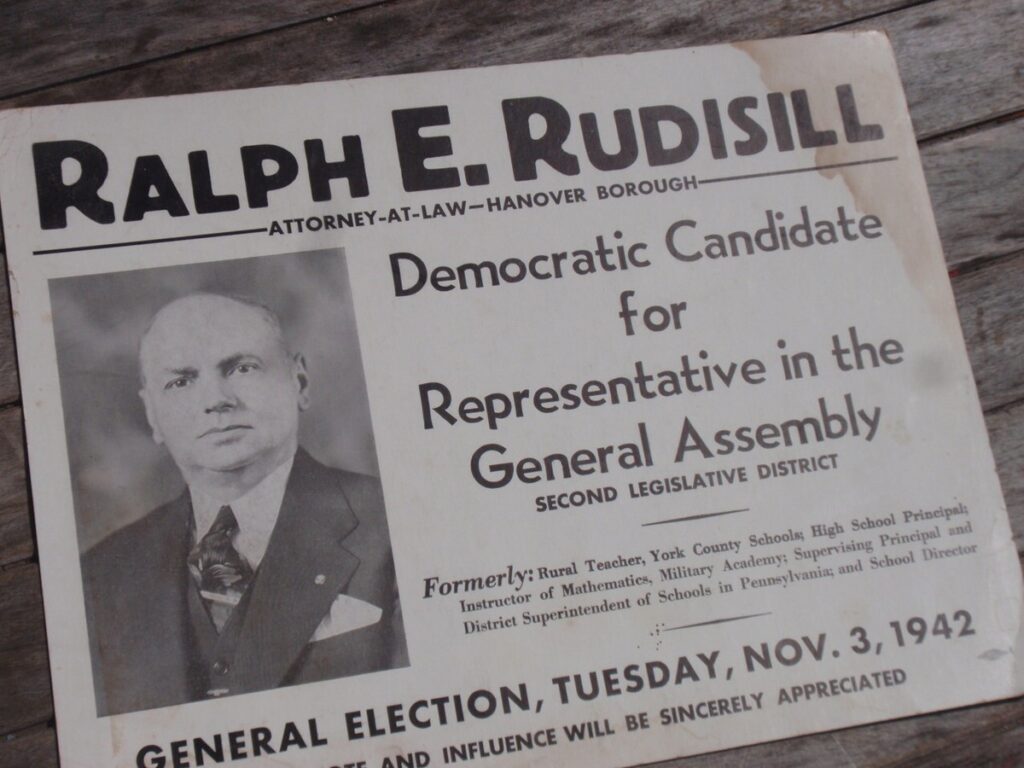
Political messaging has always relied on what people could see and share easily. In the 1800s, printed broadsides and campaign materials were posted and distributed widely—especially as print technology expanded and literacy increased. Early American campaign imagery also leaned on bold visuals and symbolic framing (eagles, flags, Liberty figures, laurels), because images traveled across audiences quickly.
By the mid-1800s, lithographed campaign banners and posters became a powerful tool: eye-catching, reproducible, and suited to public display. From there, the story becomes a steady march toward speed, scale, and affordability—with each era leaving behind different “signatures” in materials and printing.
Here’s the collector-friendly way to think about it:
1) The paper era: broadsides, posters, and banners
These are often the most visually dramatic pieces: ornate typography, period symbolism, and printing quirks that can help with dating and authenticity.
2) The mass-production era: standardized campaign advertising
As campaigns professionalized, printed posters and signs became more uniform—strong branding, repeated slogans, and wider distribution.
3) The modern yard sign era: practical and everywhere
Late 20th-century campaigning leaned hard into yard signs because they’re cheap, fast, and highly visible. Materials shifted toward weather-resistant substrates and commercial printing methods designed for volume.
Why Collectors Love These Pieces
Political and social signs appeal to collectors for a few different reasons—often overlapping:
Graphic design you can’t fake
Even when you can reprint a poster, you can’t always recreate the exact look and feel of original inks, paper, aging patterns, and period production methods. Many collectors chase the design language of a specific decade: the typography, the color choices, the layout.
Local history in one object
A local campaign poster for a mayoral race, a school integration rally sign, a union meeting notice—these can be far rarer than national material, and often more meaningful if you collect a specific region.
The “voice of the street”
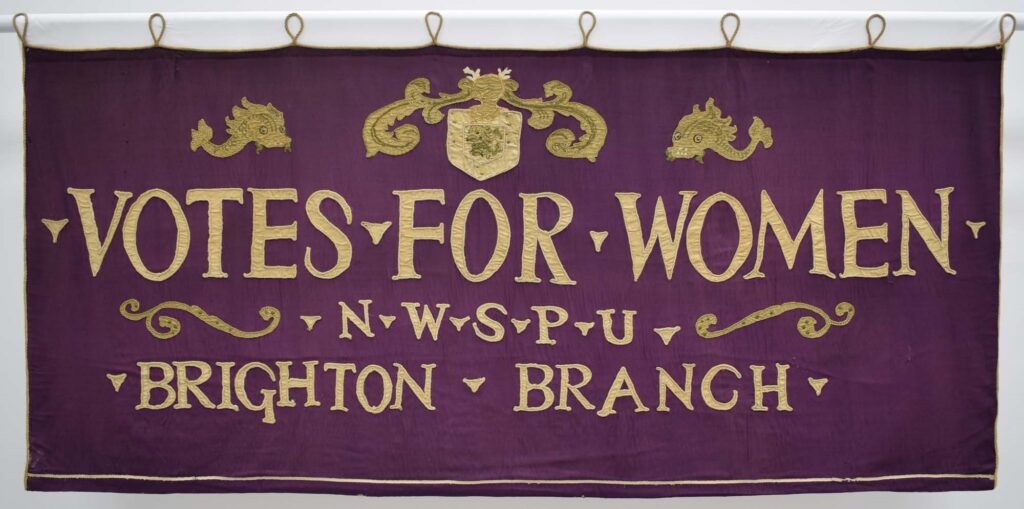
Broadsides and protest signs, in particular, feel alive. They weren’t meant to be precious. They were meant to be seen.
Key Types of Political & Social Signs to Watch For
Campaign posters and banners
These range from small-format posters meant for windows to larger pieces designed for public posting. Some imitate the look of cloth banners even when printed on paper. If you love ornate imagery and historical design, this is a deep rabbit hole.
Collector tip: Campaign pieces often survive because people saved them as souvenirs—especially if they felt part of a pivotal moment.
Broadsides and public notices
Broadsides were essentially the bulletin boards of their day: announcements, petitions, calls to action, and political statements printed on single sheets meant for display.
Collector tip: Condition is everything with broadsides. Tears, pinholes, edge chipping, and brittleness are common—and not automatically dealbreakers, as long as the piece presents well and is stable.
Protest and movement signs
Some are beautifully printed posters. Others are quick, handmade placards. Both can be collectible, but they tend to attract different kinds of buyers.
- Printed posters often have stronger graphic presence and may be tied to known workshops or organizations.
- Handmade signs can be one-of-a-kind and emotionally powerful—brush marks, improvised cardboard, and all.
Collector tip: Provenance matters more here than almost anywhere else. A simple note like “picked up at an estate sale” isn’t the same as “from a longtime organizer’s papers” (even if both are legitimate).
Labor and union-related signage
This category can include rally signs, union hall posters, and strike materials—but also a small, easy-to-miss detail: a union label (often called a “union bug”) on printed items. For some collectors, that mark is part of the story and a clue about where and how an item was produced.
Collector tip: If you collect paper, learn to scan the bottom edge and corners—union marks can be tiny.
Yard signs (cardboard and corrugated plastic)
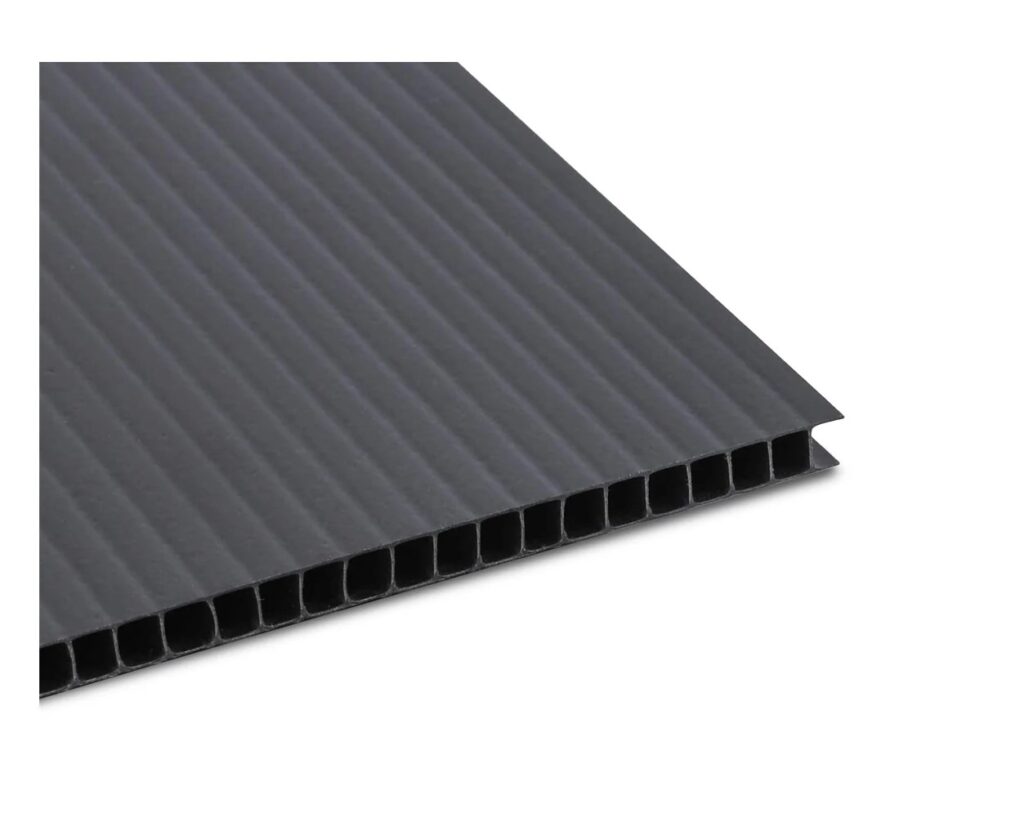
Yes, they’re “newer,” but don’t underestimate them. Yard signs document hyper-local races and grassroots movements—and many were never saved. That can make specific examples surprisingly scarce later.
Collector tip: Early examples in cardboard and later examples in corrugated plastic each have their own collecting appeal. Condition expectations should match the reality: these were outdoor objects, often tossed after election season.
What Collectors Look For (and What Impacts Value)
Political and social signs can vary wildly in market value, but collectors tend to judge them on a consistent set of factors:
1) Authenticity and originality
Reprints exist for many famous posters and movements—sometimes honestly sold as reproductions, sometimes not. Originals typically show period-correct printing characteristics and aging patterns consistent with the material.
2) Rarity (real rarity, not “I’ve never seen one” rarity)
Local and short-run items can be harder to find than major national campaign pieces that were saved in volume.
3) Visual impact
Big type, strong imagery, iconic slogans—these drive demand. Even collectors who don’t “collect politics” will collect design.
4) Condition (with realism)
Paper tears and pinholes are common. Metal signs may have rust or enamel chips. The question is: Is it stable? Does it display well? Many collectors will accept honest wear if the piece still has presence.
5) Provenance
A solid story can matter: “from a printer’s archive,” “from a union hall closure,” “from an organizer’s estate.” Provenance doesn’t have to be glamorous—it just needs to be credible.
Spotting Reproductions Without Becoming a Forensics Lab
You don’t need a microscope to be a smart buyer—just a consistent checklist.
For paper signs and posters:
- Paper feel and aging: Is it brittle like old stock, or does it feel like modern poster paper pretending to be old?
- Printing method clues: Many modern reproductions look “too perfect” or too uniform compared to period printing.
- Mounting evidence: Genuine posted items often show pinholes, edge wear, or mounting traces consistent with use (though unused originals exist too).
For metal/enamel-style signs:
Political and social signage isn’t always porcelain or enamel, but when it is (or when sellers claim it is), examine:
- Edge wear and chips: Do they look natural or staged?
- Backside aging: The back often tells the truth—oxidation patterns and old mounting hardware can be more convincing than the front.
If you’re unsure, buy from sellers who allow returns and who photograph details generously.
Caring for Political & Social Signs (Paper vs. Metal)
These items were made for public display, not long-term storage—so a little care goes a long way.
Paper storage best practices
- Store flat when possible, in acid-free sleeves or folders
- Keep in a stable environment (avoid damp basements and hot attics)
- Keep out of direct sunlight—fading happens fast
- If framing, use archival materials and UV-protective glazing if you can
Metal and painted surfaces
- Avoid harsh cleaners
- Dust gently (microfiber is your friend)
- Keep away from high humidity to reduce rust creep
- For enamel/porcelain-like surfaces, avoid scraping at chips—stabilize rather than “fix”
A Quick Word on Collecting Sensitive or Controversial Material
Political and social signs can represent everything from progress to prejudice, from hope to harm. Collectors handle this differently—some focus on design history, others on a specific movement, others on documenting a full spectrum of public life.
A practical approach: decide what you’re comfortable owning, displaying, and reselling before you buy. And if you sell, describe items accurately and responsibly—context matters.
How to Describe These Signs (Great for Collectors and Resale)
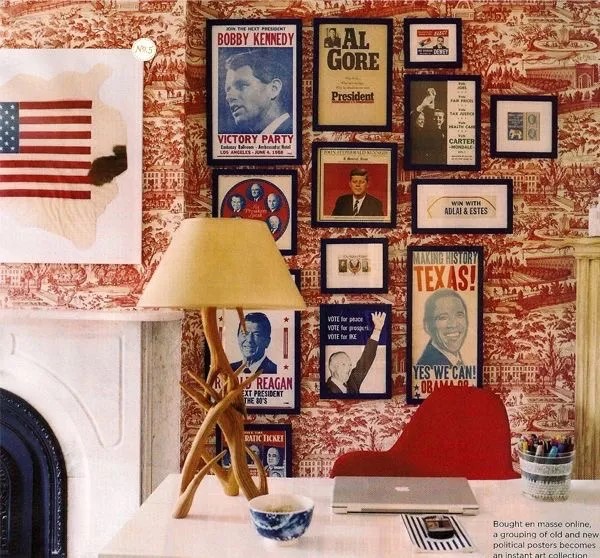
If you’re cataloging your collection or listing to sell, strong descriptions usually include:
- Format: broadside, poster, yard sign, placard, banner-style print
- Material: paper type (if known), cardboard, corrugated plastic, metal, etc.
- Approximate era: if you can’t date precisely, use ranges (e.g., “mid-20th century”)
- Size (always)
- Condition notes: folds, pinholes, edge wear, stains, rust, chips
- Provenance (if known)
- Display suggestions: framing recommendations or mounting cautions
These details help buyers feel confident—and help preserve the history the item carries.
Let’s Make History—one sign, one slogan, one moment at a time.