For many theater lovers, the thrill of attending a show doesn’t stop when the curtain falls. Standing by the stage door, Playbill in hand, waiting for an actor to emerge and sign their name — this ritual is part of Broadway culture. For collectors, that autograph can transform a Playbill, program, or photo from a keepsake into a personal connection.
Autographs and stage photography together form a rich realm of theatrical memorabilia. They don’t just capture actors — they capture moments, energy, and the ephemeral magic of live performance, preserved in ink and image.
The Autograph Tradition
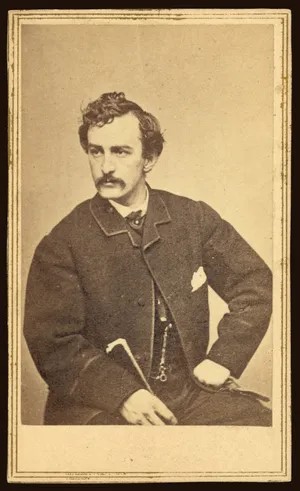
Signatures by performers have been prized keepsakes for centuries. In the 18th and 19th centuries, celebrated actors such as Sarah Bernhardt, Edwin Booth, and Sarah Siddons often inscribed calling cards or cartes-de-visite for admirers. These small photographic or printed cards served as early celebrity mementos.
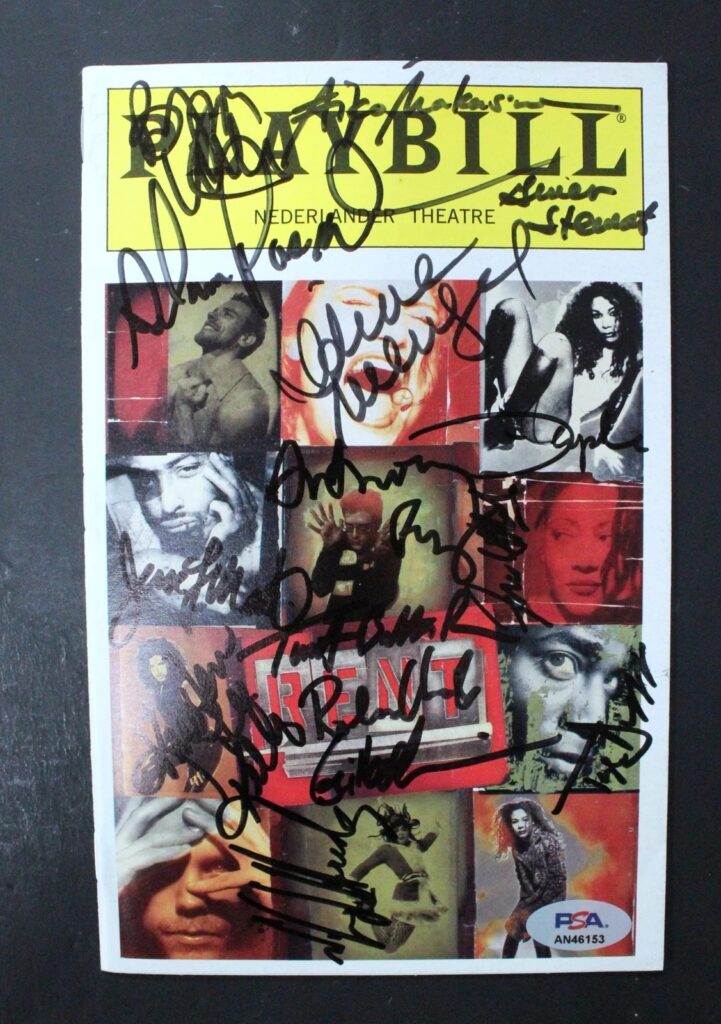
On Broadway, the modern habit of signing Playbills grew as Playbill became the industry’s standard program; handing an actor a Playbill at the stage door for a signature creates a direct, script-free connection between audience and performer. Today, autographs range from a quick scrawl on a folded Playbill to elaborate inscriptions on glossy 8×10 photos, posters, or even costume pieces. While many fans value them for sentimental reasons, a certified autograph also has collectible value. Authentication matters and organizations such as PSA/DNA provide certification services that collectors rely on.
Multi-signed Playbills from landmark shows do appear on the collector market; dealer listings and auction pages show that Playbills signed by multiple cast members (including original casts) circulate among collectors and dealers boasting an asking price of $1,500 with a PSA authentication.
Stage Photography: Capturing the Moment
An autograph marks a meeting; a photograph preserves a theatrical world. Because live theater is transient, stage photography became essential for documenting productions, performers, and design.
One of the most important names in 20th-century stage photography is Martha Swope. Her work ranged from rehearsal shots to iconic production images. They are preserved in the New York Public Library’s Billy Rose Theatre Division. The Martha Swope archive contains well over a million images and related materials documenting decades of Broadway and dance. Her career began in the 1950s. Her images of musicals, plays, and dancers are now a foundational visual record of modern American theater.
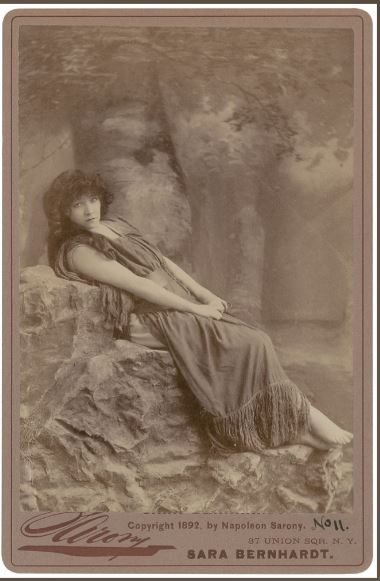
Going further back, theatrical portrait photography helped make actors into celebrities. Napoleon Sarony produced cabinet portraits of performers such as Sarah Bernhardt; those images were collected widely and sometimes sold in later auctions. One such Sarony cabinet card of Sarah Bernhardt has sold for $123 through photographic auction houses.
Collections, Sales, and How Context Adds Value
Autographs and photographs are most valuable when context is strong. A signature from an actor in a landmark run, an inscription referencing opening night, or a photograph from a noted rehearsal or premiere will generally interest collectors more than an unsigned mass print.
Rather than rely on a single headline sale, it’s instructive to look at the market in practice: authenticated, multi-signed Playbills and cast photographs appear regularly on memorabilia dealer sites and auction platforms. These listings show how collectors prize provenance (who signed it and when), condition, and authentication over anything else.
Autographs as Personal History
The most lasting value of autographs and stage photos is personal. They are memory anchors.
Not every production ends with cast members signing Playbills or posters, but I’ve seen it done — especially in some high school theater circles. One of my favorite examples is a signed poster currently hanging in our home. It’s from a high school production at the same school my husband attended. Though we hadn’t met yet and one he was involved in, somehow that poster found its way to us years later. It carries the signatures and spirit of a cast who shared that fleeting, creative moment together.
The Collector’s Dilemma: Preserve or Display?
Collectors must balance preservation with display. Autographs and photographs are vulnerable to light, humidity, and acidic storage—so museum practice recommends archival methods: UV-filtered framing glass, acid-free folders or boxes, and low-light storage for originals. Many collectors scan or digitize originals for everyday display and keep the physical items in archival storage to slow deterioration.
Why Autographs and Photographs Matter
Theater is ephemeral: once a performance ends, that particular moment is gone. Autographs and photographs make parts of that moment retrievable. An autograph is a tiny handshake in ink; a photograph freezes gesture, costume, and light in ways memory alone cannot. Together they help theater transcend the evening and enter history.
So next time you leave a theater, look at the Playbill in your hand. Consider asking for a signature, or simply take a photo of the program and playbills you collect. These small acts help keep the story alive.
Because when we collect autographs and photographs, we’re not simply preserving names and faces — we are preserving the theater itself— and that’s how we continue to make history.