
Modern dollhouses now span the spectrum from mass-produced plastic playsets to exquisitely handcrafted artisan creations valued in the thousands. What once was a child’s toy has become a serious collector’s domain, design statement, and even architectural homage.
The Barbie Boom: Dreamhouses Enter the Cultural Mainstream
When Mattel launched the Barbie Dreamhouse in 1962, it transformed what a dollhouse could be. No longer just a miniature room with furniture, Barbie’s Dreamhouse became a fashion-forward, pop culture icon that mirrored mid-century styles, color palettes, and lifestyle aspirations. The original Dreamhouse was made of cardboard, with fold-out walls, painted surfaces, and cardboard furnishing—very modest, but full of possibility.
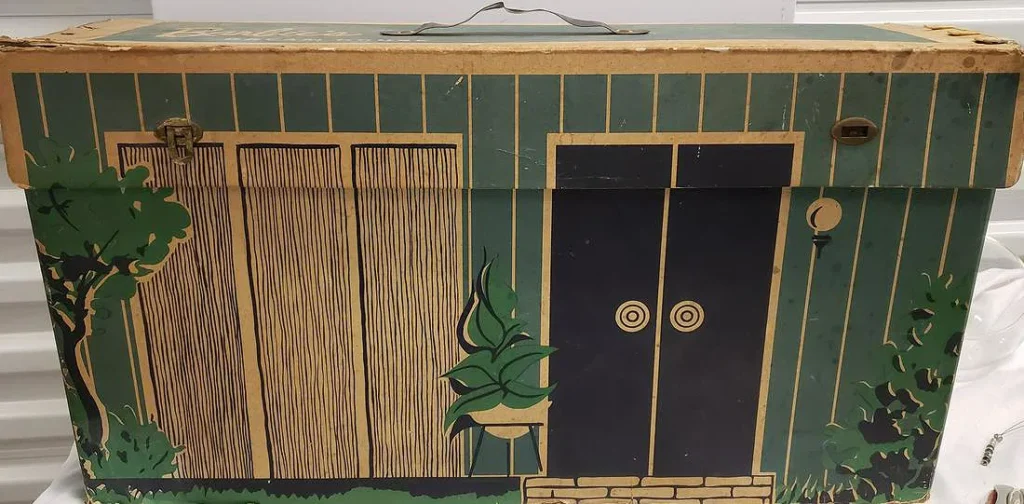
Over the years, Barbie’s Dreamhouse evolved dramatically. What started as a simple one-story cardboard structure expanded into multi-story, feature-rich versions with elevators, garages, rooftop patios, abundant color, and ever more plastic and detail.
Anecdote: The original 1962 Barbie Dreamhouse sold for around US$4.44 at initial release, but vintage versions—especially ones in good condition with accessories—are now collectible. There are recent auction results showing original 1962 cardboard Dreamhouses complete with furniture valued at thousands of dollars.
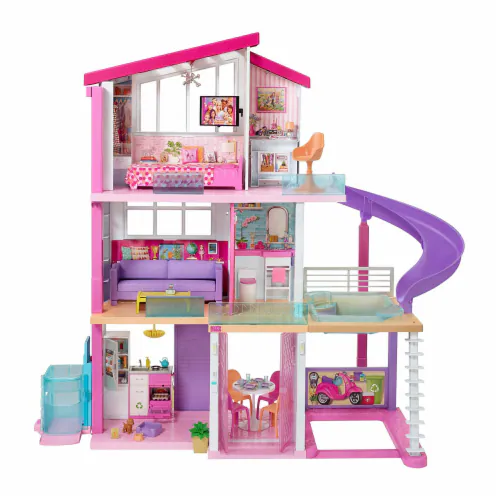
Collector Lore: Some collectors say that a mint-condition 1962 Dreamhouse, with all cardboard furniture and accessories intact, once sold for more than $8,000. I wasn’t able to track a reliable source confirming the sale, but if you see one, double check provenance and condition.
Artisans, Replica Homes & Architectural Miniatures
Beyond mass-market playsets, there is a growing community of artisans and collectors who commission or create detailed replica miniature homes. These aren’t off-the-shelf kits—they’re either highly skilled handmade projects or blend craft with modern digital tools like 3D printing.
Features often include:
- Very fine woodworking (miniature joinery, proper scale)
- Metal detailing (railings, fixtures)
- Real fabric upholstery, miniature artwork
- Functional elements—tiny lighting, working doors/windows, sometimes even plumbing detail
Anecdote: There are artisan replicas of famous architecture that command high prices. One known example: wood and mixed‐material scale models of historic homes have sold for tens of thousands when custom made.
The Rise of Adult Collectors
Increasingly, dollhouses are no longer just for kids. The adult collector community has exploded.
- Specialization: Many collectors now specialize by architectural style (Mid-Century Modern, Victorian, Tudor), by theme (fantasy, miniature gourmet kitchens, period rooms), or by maker (artists or brands).
- Conventions & Forums: Miniature shows, online forums, Instagram accounts, and Etsy shops thrive on sharing and selling miniatures—homes, rooms, furniture, scenery.
- Investment & Value: Some creations appreciate in value—not just due to nostalgia, but due to craftsmanship, rarity, and condition. An artisan or limited-edition dollhouse well made can fetch thousands.
What to Look for as a Collector
Here are deep-dive tips for those considering entering the modern dollhouse scene:
| Aspect | What to Inspect |
|---|---|
| Scale & Accuracy | 1:12 is standard; mismatched scale between elements hurts realism. |
| Materials & Craftsmanship | Real wood, metal, fabric over plastic; precision in joints, finishes. |
| Functionality | Does the house or furnishings have working doors, windows, lighting? Do finishes look like real interiors scaled down? |
| Authenticity & Provenance | Original branding or designer documentation helps; many artisans sign or date their work. |
| Condition & Completeness | Tiny details—fabric pieces, accessories—make a big difference. Missing or mis-restored pieces drop value. |
Cultural Influence & Pop Culture Connections
Modern dollhouses reflect much more than childhood play—they intersect with architecture, design trends, gender roles, and pop culture.
- Barbie’s Dreamhouse evolved with changes in home architecture, gender expectations, and toy industry technology.
- Replica homes reflect the desire to preserve iconic architecture in miniature form—expressing admiration for architects like Frank Lloyd Wright.
- Social media and maker culture amplify visibility: hobbyists today post time‐lapsing builds of rooms, share patterns, 3D print bespoke furniture, etc.
Final Reflection
Modern dollhouses are a fusion of nostalgia, design, craftsmanship, and personal passion. Whether you’re drawn to Barbie’s first Dreamhouse, a painstakingly crafted architectural replica, or a fantasy room lit by LEDs, each miniature builds a connection to the past, to creativity, and to artistry.
Have you built or collected any standout modern houses—or even a room you designed yourself? Share your stories, photos, or dream projects. Let’s Make History—one dream home at a time.