Step into the Glow
Step into a room where sunlight filters through a colored glass vase and scatters warm hues across the walls—it’s an experience unique to art glass. The play of light, color, and form creates a living artwork, one that changes with each shift of perspective or time of day. But what exactly is art glass, and why has it captivated collectors, artists, and admirers for more than a century?
What Makes It “Art Glass”?
The phrase art glass generally refers to glass objects created not primarily for utility, but for beauty. These are pieces where form, color, and craftsmanship are the focus rather than function. Unlike everyday drinking glasses or windowpanes, art glass celebrates glass as a medium of artistic expression.
Art glass, now treasured for its elegance and creativity, began humbly as utilitarian objects. For thousands of years, glass served basic purposes: beads in ancient Mesopotamia, vessels in Rome, stained windows in medieval cathedrals. By the late 19th century, glassmakers around the world began experimenting with new techniques, shapes, and color effects, transforming simple vessels into objects of wonder.
The result was a revolution. Glass was no longer just transparent material—it became a canvas for artistic imagination.
From Function to Art
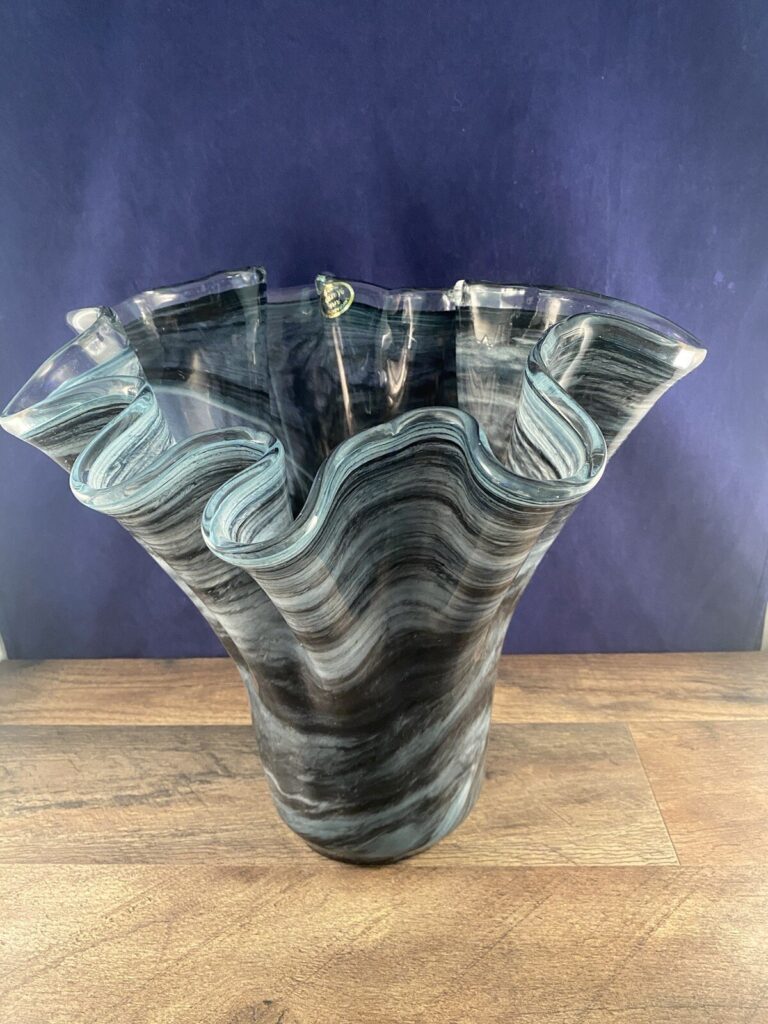
Before the mid-1800s, glass production primarily emphasized practicality. Windows illuminated homes, bottles stored medicine, and goblets served at meals. Beauty existed, of course—Venetian glassmakers on the island of Murano, for example, had been producing delicate filigree and brilliantly colored pieces since the Renaissance. Yet for the most part, glassmaking remained rooted in craft traditions tied to utility.
WhWhat changed in the 19th century? Several key innovations:
- Chemistry: Advances in chemical science allowed glassmakers to experiment with metal oxides that produced new and vibrant colors. Cobalt yielded deep blues, copper created reds and greens, manganese produced purples.
- Kiln and Furnace Technology: Improved furnaces allowed for greater temperature control, opening the door for complex decorative techniques like iridescence and opalescence.
- Industrialization: Mechanized production freed some artisans from mass-producing simple glassware, giving them room to explore artistry.
- Arts and Crafts Movement: Spurred by figures like William Morris, this movement encouraged a return to beauty, handcraft, and natural motifs, in reaction to the soullessness of factory goods.
Together, these factors created fertile ground for glass to evolve into an art form in its own right.
Europe Leads the Way
The epicenter of this transformation was Europe, particularly France, where visionary makers pushed the boundaries of what glass could be.
Émile Gallé
Émile Gallé (1846–1904), working in Nancy, France, became one of the foremost innovators of the Art Nouveau period. His pieces often featured layered cameo glass: multiple layers of colored glass were fused, then carved or etched away to reveal intricate botanical motifs—orchids, lilies, dragonflies, and forest landscapes. Gallé combined industrial precision with meticulous handcraft, producing vases, bowls, and lamps that seemed to capture nature in frozen light.
The Daum Brothers
Meanwhile, the Daum brothers, Auguste and Antonin, also based in Nancy, achieved international renown. Their workshop mastered techniques such as acid-etching, enameling, and the revival of pâte de verre (glass paste), in which ground glass is packed into molds and kiln-fired. Their works shimmered with atmospheric effects, evoking misty forests, sunsets, or flowing rivers.
From the Archives
At the 1894 Paris Exposition, Gallé unveiled his now-famous Orchid Vase. Its layered cameo technique revealed a delicate orchid in bloom, a marvel of craftsmanship and artistry. Critics and attendees alike were stunned, and the piece cemented Gallé’s reputation as one of Europe’s premier glass artists. That exhibition helped signal that art glass was not a mere curiosity but a legitimate fine art.
America’s Entry – Tiffany Studios
Across the Atlantic, Louis Comfort Tiffany (1848–1933) ushered in America’s art glass renaissance. Son of Charles Lewis Tiffany, founder of Tiffany & Co., Louis developed a lifelong fascination with color and light. His breakthrough came in 1894 with the patenting of Favrile glass.
Unlike previous techniques, Favrile glass embedded color into the molten glass itself rather than applying it to the surface. The result was deep, iridescent hues that shimmered like oil on water, but far more durable. Favrile glass could flash gold, violet, and blue all at once, depending on the light.
Tiffany applied Favrile glass in everything from vases to stained-glass windows, but his most iconic creations remain his lamps. With their botanical and geometric shades, Tiffany lamps became emblems of American Art Nouveau. Their copper-foil construction method, which allowed intricate patterns and smaller glass pieces, revolutionized stained glass design.
Rumor Has It…
In the world of antiques, stories of hidden treasures turning up in the most unlikely places are part of the allure. Rumor has it that in 2019, a rare 1898 Tiffany Favrile vase—originally commissioned by a wealthy New York industrialist—was rediscovered during a home renovation. Supposedly tucked away in an attic for nearly a century, the vase is said to have surfaced at auction, fetching $75,000.
Whether the tale is fact or fable, it speaks to Tiffany’s enduring magic and the hope that remarkable pieces may still be waiting in forgotten corners. While researching, the details of this story could not be verified—but it’s a reminder to check your own attics, basements, and boxes in storage… just in case.
Art Nouveau Influence
In The broader Art Nouveau movement (1890–1910) profoundly shaped art glass. Inspired by nature, its swirling lines, floral motifs, and organic forms rejected rigid industrial uniformity.
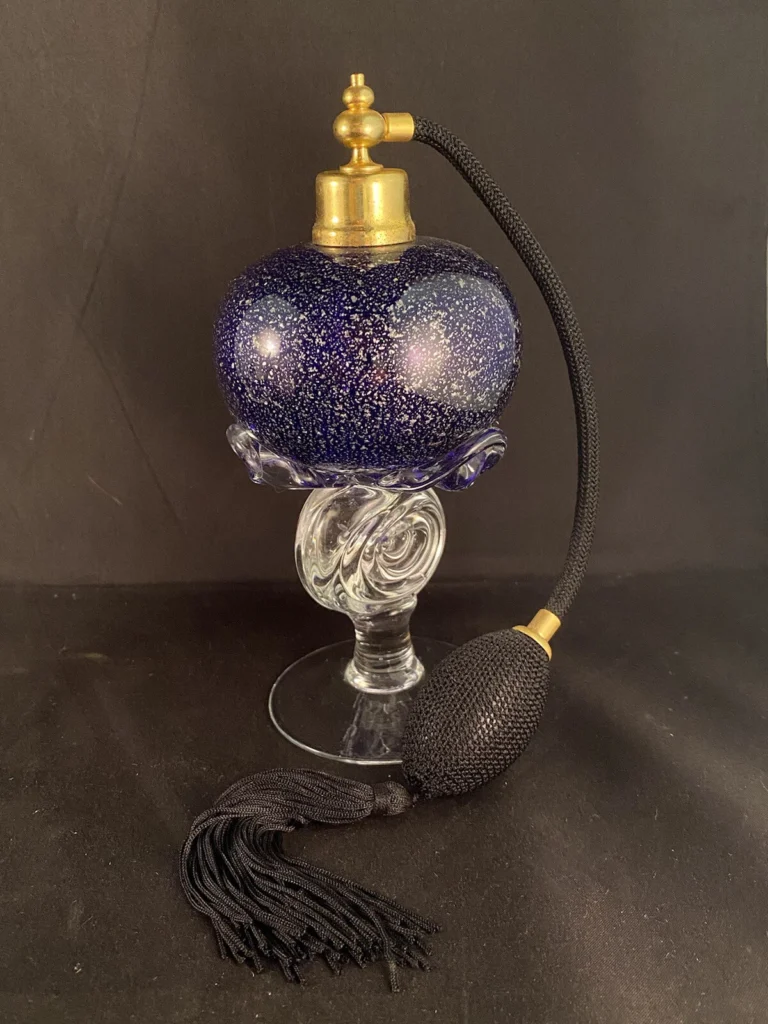
- Gallé’s vases echoed delicate flowers.
- Daum’s landscapes mirrored forests and rivers.
- Tiffany’s lamps bloomed with dragonflies, wisteria, and poppies.
This movement celebrated unity between art and life—making beauty a part of everyday existence. Glass, with its translucence and responsiveness to light, proved the perfect medium for Art Nouveau ideals.
Collecting Early Art Glass Today
Today, early art glass pieces are prized for their beauty, history, and rarity. WToday, early art glass pieces are prized for their beauty, history, and rarity. Whether you’re a serious collector or a curious beginner, here are some essentials to know:
1. Maker Marks
Look for signatures or marks. For instance:
- Tiffany: “L.C. Tiffany Favrile” or “Louis C. Tiffany” etched into the glass.
- Gallé: Variations of “Gallé” etched or enameled. Some late works include a star next to the name.
- Daum: Signatures such as “Daum Nancy” often accompanied by a cross of Lorraine.
2. Condition
Even tiny chips, cracks, or repairs can dramatically reduce value. Collectors prefer pristine examples, though some damage may be tolerated if a piece is exceptionally rare.
3. Provenance
Provenance—the documented history of an item—greatly enhances its appeal. A vase with records showing it was displayed at a world’s fair or owned by a notable figure carries far greater value than one without such history.
From the Archives
Over its history, the Corning Museum of Glass has shown particular interest in French art glass. In 1979, when the Museum organized the exhibition “New Glass: A Worldwide Survey,” it included works by Baccarat and Daum among the few French pieces originally acquired for that showcase. This early inclusion highlights the museum’s longstanding appreciation for Daum’s contributions to Art Nouveau and its willingness to preserve such works for future generations.
A Lasting Legacy
The shift from purely functional glass to decorative masterpieces marked the birth of a new art form. What started as experiments in color and shape grew into a global movement that influenced design, architecture, and lifestyle.
- In Architecture: Stained-glass windows and panels in public buildings brought art glass into civic life.
- In Design: Art Nouveau’s emphasis on nature and craft carried into Art Deco and Modernism.
- In Collecting: Art glass remains a thriving field in the antique market, with museums and private collectors alike seeking to preserve these luminous works.
Today, art glass is more than a decorative choice—it’s a reflection of innovation, history, and artistic vision. Every piece, from a Tiffany lamp to a Gallé vase, tells a story of its time and its maker’s imagination.
Share Your Story
I’d love to hear from you! Do you have a favorite piece—maybe a family heirloom passed down through generations, or a flea market treasure that caught your eye? Share your stories in the comments below.
Want more deep dives into antiques and collectibles? Subscribe for future posts on collecting tips, spotting fakes before you buy, and exploring the artistry behind timeless objects. Share this series with friends and fellow collectors—it just might spark their own journey into art glass.
Let’s make history—one collectible at a time.