
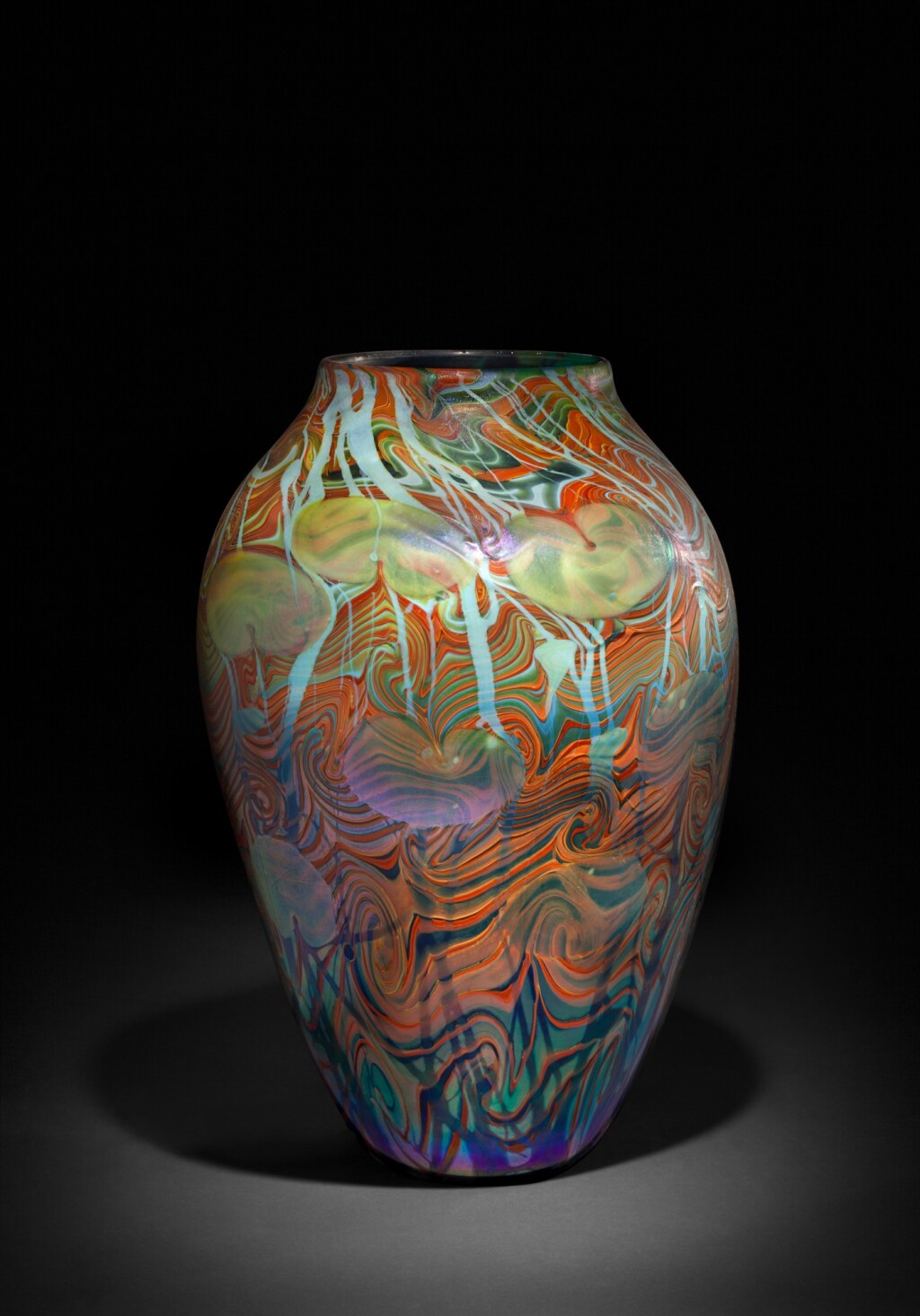
If Tiffany lighting is the headline act, Tiffany glass and pottery are the deep-cut tracks collectors fall in love with once they start looking closer. These are the pieces that bring the “Tiffany glow” into everyday collecting: a vase that turns daylight into color, a bowl that feels like it’s lit from within, a ceramic piece with a glaze that looks almost liquid.
And the best part? You don’t need a monumental stained-glass window (or a dream lamp budget) to collect Tiffany’s design world. Glass and pottery let you build a collection that feels intentional, displayable, and story-rich, whether you’re hunting for true Tiffany Studios examples, Tiffany-era pieces with similar aesthetic DNA, or later Tiffany-style decorative arts you simply love living with.
This post is a collector-friendly guide to Tiffany-adjacent glass and pottery: what to notice, how to shop wisely, how to mix materials without creating visual chaos, and how to care for fragile beauty so it lasts.
Why Glass and Pottery Matter in the Tiffany Universe
Tiffany’s design language wasn’t limited to one product. The big idea was always atmosphere—how a space feels when light, color, and surface texture work together. Glass and pottery fit that mission perfectly because they don’t just “sit there.” They react to light.
Collectors are drawn to Tiffany-adjacent glass and pottery because these pieces often offer:
- Color that feels layered (not flat or purely painted-on)
- Texture you can see and feel (ripples, striations, raised decoration)
- A strong decorative identity that pairs beautifully with Art Nouveau and turn-of-the-century interiors
- Shelf-friendly collecting that still feels serious and cohesive
If you love the Tiffany look, this is where you can build a collection that reads like a curated gallery—without needing an entire room to do it.
Tiffany Glass Beyond Lamps: What Collectors Look For
When collectors say “Tiffany glass,” they’re often thinking of more than one thing at once:
Art glass vessels and decorative forms
These include the kinds of objects that live easily on shelves, mantels, and cabinets:
- Vases (tall, squat, bulbous, trumpet, and more)
- Bowls and compotes
- Small decorative pieces meant to catch and hold light
Glass that’s designed to perform under light
A common thread in Tiffany-adjacent art glass is that it looks different depending on the lighting:
- In daylight, the color reads as rich and nuanced.
- Under a lamp or evening light, the surface can glow, soften, and deepen.
Surfaces with visual motion
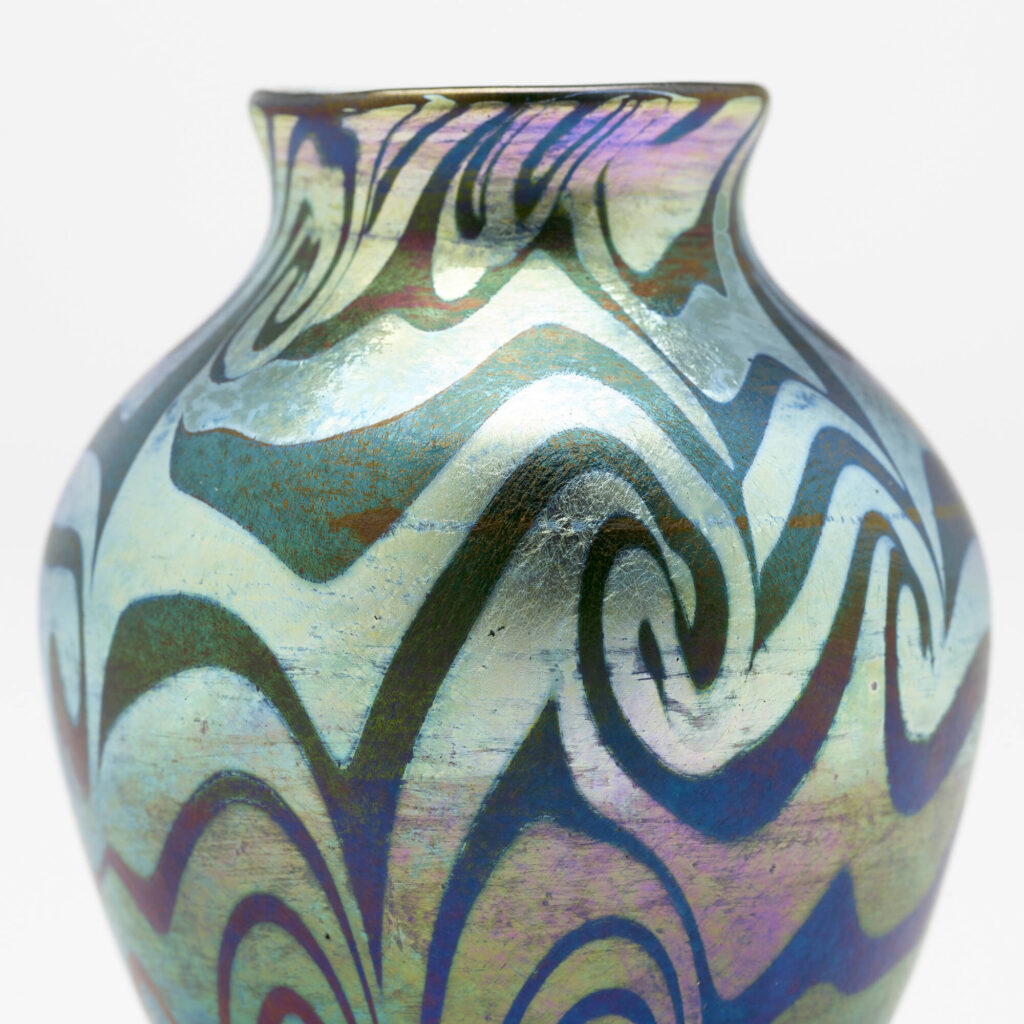
Many Tiffany-era glass pieces are prized for surfaces that look alive:
- Subtle rippling or undulation
- Swirled or streaked color that feels painterly
- Iridescent effects that shift as you move
Collector mindset: don’t focus only on “what it is.” Focus on how it behaves in light. That’s often the heart of the appeal.
The Tiffany Look in Glass: Three Features to Train Your Eye On
You don’t need to memorize technical terms to collect well. Instead, train your eye to notice these three features—because they show up again and again in quality art glass and Tiffany-adjacent pieces.
1) Color that lives inside the material
One hallmark of great art glass is that color feels embedded. Instead of looking like a surface coating, it feels like it’s part of the glass body—sometimes with multiple tones interacting.
What to notice:
- Soft transitions between shades
- Areas of “cloudy” glow mixed with clearer zones
- Depth that looks almost layered
2) Surface texture that changes the glow
Texture isn’t just decorative—it’s functional. It breaks light, scatters it, and gives glass a more dimensional presence.
What to notice:
- Gentle waves, ribbing, or irregularities
- Raised patterns or subtle unevenness
- How light “catches” on edges and high points
3) Finish and sheen that feels intentional
Some Tiffany-adjacent glass is prized for its sheen—sometimes glossy, sometimes satin-like, sometimes shimmering.
What to notice:
- A finish that looks deliberately achieved (not cheaply sprayed-on)
- Areas where the sheen shifts with viewing angle
- Natural wear that makes sense for age and handling
Collector tip: pick up the piece (when allowed), tilt it, and move it through light. Good art glass will “answer back.”
Pottery in the Tiffany Orbit: Why Ceramics Belong in the Same Collection
Pottery is sometimes overlooked in “Tiffany collecting,” but it fits the Tiffany world beautifully because ceramics can deliver the same things collectors love in glass: color, surface, and atmosphere.
Tiffany-adjacent pottery collecting often includes:
- Decorative vases and art pottery forms
- Glazed pieces designed for display rather than daily use
- Tile and ceramic elements that echo Tiffany’s broader interior design sensibility
Pottery also offers something glass doesn’t: a different kind of depth. Glazes can pool, break, and shift color on curves and edges, giving pottery that “alive” quality collectors chase.
If you want a collection with visual variety but a unified story, mixing glass and pottery is one of the smartest ways to do it—especially if you choose a consistent collecting lane.
How to Build a Coherent Collection: Mixing Glass and Pottery Without Clutter

Here’s the challenge: glass and pottery can easily turn into “pretty objects on a shelf” with no clear thread. The fix is simple—choose a lane and build around it.
Lane 1: A color story
Pick a palette and let it guide your buys:
- Blues and greens (water, garden, botanical)
- Amber, honey, and gold (warm glow, cozy interior feel)
- Soft neutrals with iridescent accents (subtle, elegant, airy)
Lane 2: A motif or mood
Even when pieces don’t match exactly, they can belong to the same “world”:
- Floral and garden themes
- Organic curves and nature-inspired forms
- Geometric restraint (for a cleaner, more architectural display)
Lane 3: A function story (stove-to-table, desk-to-parlor)
Try collecting by where objects “live” in a home:
- Parlor shelf pieces (vases, bowls, display ceramics)
- Desk and library corner (smaller decorative objects, intentional accents)
- Dining-room glow (centerpiece bowl + complementary vase)
Lane 4: A “pairing” approach (my favorite)
Build mini-sets that look curated instantly:
- One glass piece + one pottery piece + one supporting accent (metal, book, small frame)
- A tall vase + a lower bowl + a small ceramic tile-style accent
- A strong color anchor + two quieter supporting shapes
Collector tip: when in doubt, limit each shelf to one “star” object and let everything else support it.
Shopping Smart: Condition Checks for Glass and Pottery
This is where collectors protect themselves—because condition is the difference between “great find” and “regret.”
Glass condition checks
Look for:
- Chips along rims and bases (run a fingertip carefully around edges)
- Cracks or hairlines (especially near stress points)
- Repairs or polishing that dulls crisp edges
- Cloudiness or residue that won’t clean easily (sometimes harmless, sometimes not)
Pottery condition checks
Look for:
- Crazing (fine crackle in glaze—sometimes acceptable, sometimes a dealbreaker depending on the piece)
- Hairline cracks (check handles, rims, and transitions)
- Glaze flakes or chips on high points
- Repairs: overpainting, filled chips, or restored breaks
Collector tip: don’t fear honest age. Fear instability. A stable piece with gentle wear can be a wonderful collectible.
Marks, Labels, and What to Do When There Isn’t One
Collectors love marks because they feel like certainty—but marks are only one part of the story. Some pieces were labeled with paper, some were marked in ways that wear down, and some simply won’t have obvious identification.
A healthy approach:
- Treat marks, stamps, and labels as helpful clues, not the only proof.
- Focus on construction quality, materials, and consistency of style.
- If a seller makes major claims, the burden should be on documentation—not just confidence.
If you’re building a Tiffany-focused collection, consider keeping a small reference folder (even digital) with a few museum-style photos and trusted reference examples—so your eye becomes your best tool.
“Tiffany-Style” and Reproductions: Enjoy the Look, Buy the Truth
The Tiffany aesthetic is so beloved that many later makers produced Tiffany-inspired glass and ceramics—and today, modern décor continues to borrow Tiffany motifs heavily.
Here’s the collector-friendly way to navigate it:
- If it’s Tiffany-style, buy it because you love it, not because the name was implied.
- Price it as decorative art unless firm documentation supports higher claims.
- Be cautious with items described with big language but little detail.
You can absolutely build a beautiful collection that includes Tiffany-style pieces—just keep your categories honest so your collection stays clear.
Care and Display Tips: Keep the Glow Without the Damage

Glass and pottery are display-friendly, but they’re vulnerable to three enemies: light, impact, and harsh cleaning.
Practical care habits:
- Keep pieces out of direct, prolonged sunlight.
- Use stable placement—especially for tall vases and narrow bases.
- Add felt pads or museum putty in high-traffic areas or if you have pets.
- Dust gently; avoid abrasive cleaners and harsh chemicals.
- For pottery, avoid soaking if there are cracks, crazing, or uncertain repairs.
Display trick: a dark or neutral backdrop makes art glass and glazed ceramics “pop.” Even one dark shelf liner or a deep-painted wall can make the glow feel twice as strong.
A Gentle Collector’s Checklist
Before you buy, ask yourself:
- Does this fit my lane (color story, motif, mood, or function)?
- Is the condition stable enough for long-term display?
- Does it behave beautifully in light (tilt it, move it, look again)?
- Can I pair it with something I already own to create a “mini-set”?
- Am I buying it for confirmed identity—or for the look and craftsmanship?
A Tiffany-adjacent glass-and-pottery collection doesn’t have to be enormous to feel powerful. A few well-chosen pieces—curated with intention—can turn a shelf into an atmosphere.
Let’s Make History—one glowing treasure at a time.