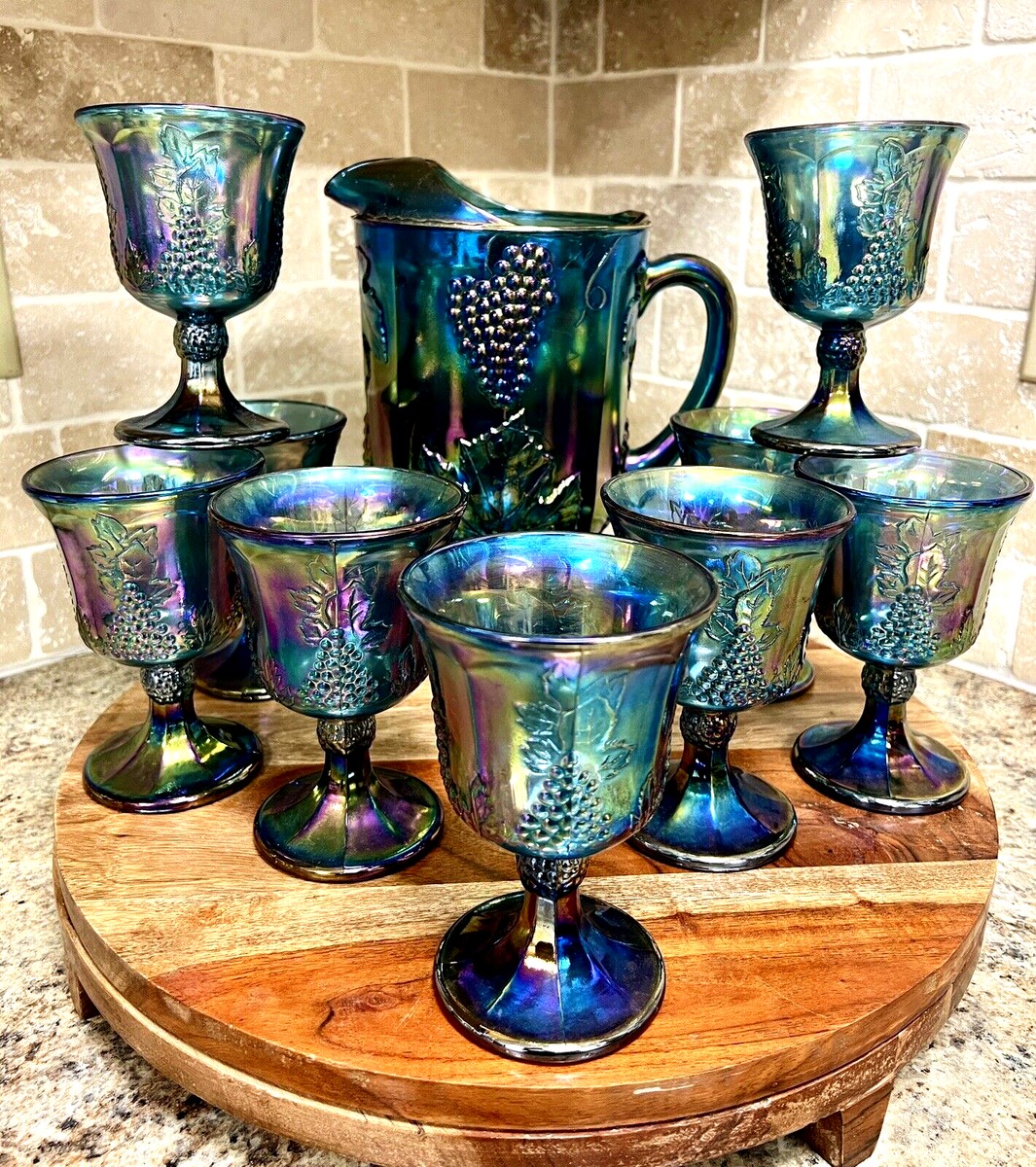
Carnival glass has never stopped being fun. The glow is immediate, the patterns are bold, and a single bowl can make a shelf look like a display case. What has changed—dramatically—is how we collect it. The modern carnival glass world is shaped by online marketplaces, fast pattern identification, and a steady flow of pieces coming out of estates that once held “whole room” collections.
That shift has created a market with two truths that can exist at the same time:
- Many common pieces are easier to find (and often more affordable) than they were at past collecting peaks.
- Truly hard-to-find combinations—specific patterns, forms, and base colors—still command strong attention.
This post is about collecting carnival glass right now: what buyers gravitate toward, why certain pieces outperform others, and how to shop (and sell) with confidence without chasing every hype wave.
The Biggest Modern Change: A Global Market in Your Pocket
If you’ve been collecting for a while, you’ve felt this shift. Carnival glass used to be a “regional hunt” category—antique malls, local auctions, estate sales, collector club meetings. Today, most collectors can check dozens of examples of the same pattern in minutes.
That changes the market in predictable ways:
- Supply becomes visible. A piece that felt scarce locally might be plentiful nationally.
- Identification is faster. Collector groups and online references make pattern and color ID more accessible.
- Condition standards tighten. When buyers can choose between ten similar bowls, they choose the best one.
This doesn’t ruin the hunt. It simply changes where the hunt happens—and what “special” looks like.
What Drives Value Today (Even When Prices Shift)
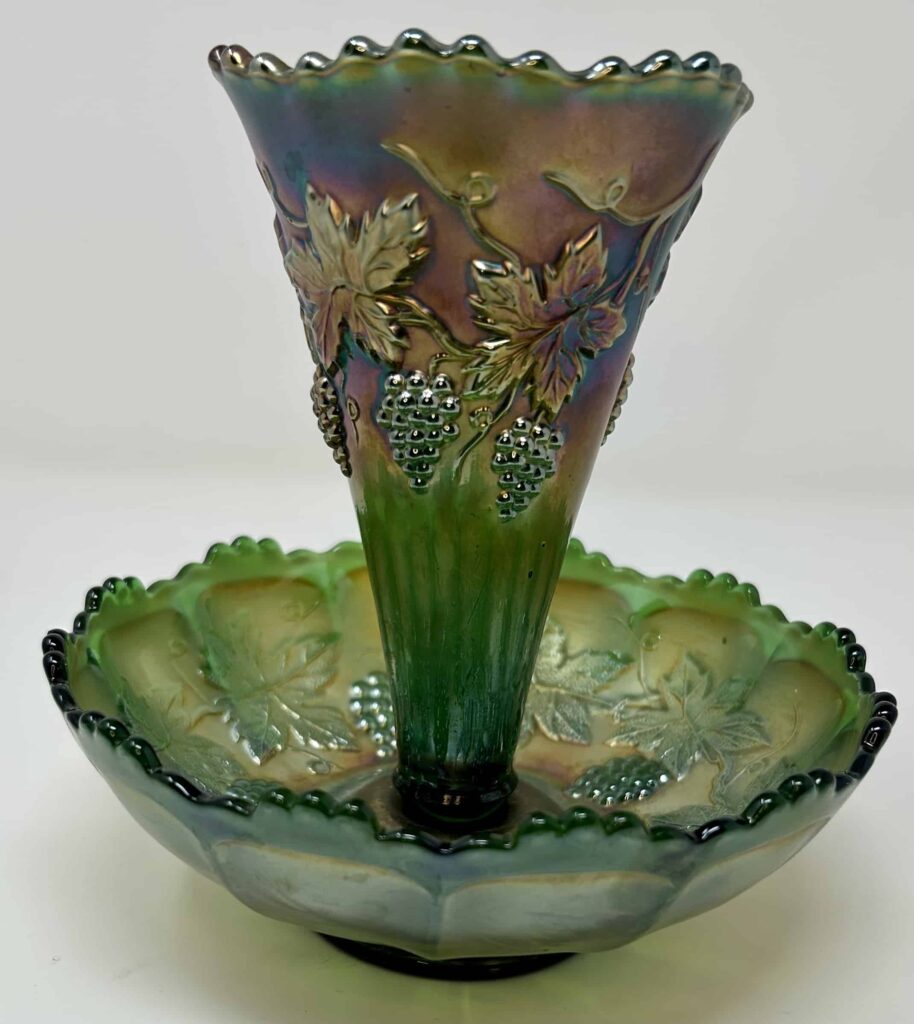
“Market trends” can sound like a rollercoaster, but carnival glass value still comes down to a few consistent drivers. If you learn these, you can ride out the trend cycles and buy what will still feel smart later.
Condition: the quiet king
Carnival glass is pressed glass with a surface treatment. That means damage can show up in a few common ways:
- Chips and fleabites (especially on ruffled rims and points of high relief)
- Cracks (sometimes hard to spot unless you backlight the glass)
- Surface wear that dulls the iridescence (often from heavy use or poor storage)
- Cloudiness or residue from past cleaning attempts
Modern buyers usually pay a premium for crisp, clean rims and strong, even glow—especially when the pattern is common enough that “upgrade opportunities” exist.
Color (base glass), not just “pretty shine”
Collectors still categorize carnival glass by the base glass color (what you see best on the underside or where the iridescence is lighter). In modern collecting, color remains one of the strongest value drivers—especially when a color is less commonly seen in that specific pattern and form.
A practical way to think about it:
- Common pattern + common color = often plentiful
- Common pattern + uncommon color = where interest climbs
- Uncommon pattern + any attractive color = often a strong collector target
Pattern + form: the combination matters
A pattern might be well-known, but the form can be the difference between “nice” and “stop me in my tracks.” In general, modern buyers respond strongly to:
- dramatic silhouettes (ruffled, crimped, flared, footed)
- covered forms (when lids match correctly)
- statement pieces that display like sculpture (compotes, vases, centerpieces)
And because many collectors now build smaller, curated displays, a single exceptional form can outperform “more pieces” of average forms.
Maker attribution can add confidence (but it’s not required)
Some collectors strongly prefer known makers and well-documented patterns. Others collect purely by aesthetics. In today’s market, maker attribution often helps in three situations:
- when a piece is being compared against similar patterns
- when the color/pattern combination is unusual and the buyer wants reassurance
- when the buyer is building a focused collection (maker-specific shelves)
But plenty of carnival glass is unmarked and still highly collectible. Clear photos and accurate description matter more than a perfect label.
Modern Trends Collectors Are Actually Following
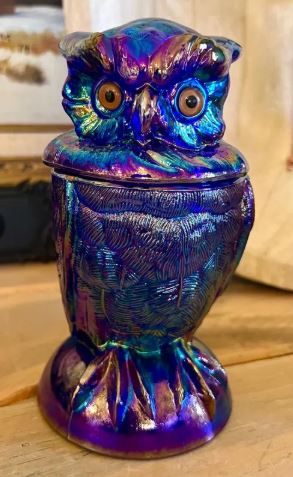
Trends come and go, but a few modern preferences show up repeatedly in buying behavior.
1) “Common but gorgeous” is back—if the piece displays well
Many collectors are less concerned with “rare at all costs” than they were in earlier decades. There’s renewed appreciation for pieces that:
- look stunning on a shelf
- catch light dramatically
- have strong relief and a clean rim
- photograph beautifully
That’s why a marigold bowl can still be a great buy if the glow is bright and the shape is strong. Modern collecting often rewards display impact.
2) Color-focused collecting continues to grow
Collectors love building “color shelves”—all blue, all green, all amethyst, all warm ambers. Social media has amplified this because color-themed displays photograph so well.
This trend tends to benefit:
- deeper jewel tones
- moody neutrals (smoke/amber-type looks)
- lighter bases that show pattern relief crisply
3) Pattern families stay popular, but “signature pieces” lead the shelf
Grapes, peacocks, florals, butterflies, and geometric fans remain the familiar backbone. What’s changed is the way collectors buy them.
Instead of chasing every example, many collectors now buy:
- one standout bowl
- one strong compote
- one “conversation plate” with a bold motif
It’s a more curated approach—less “set completion,” more “display storytelling.”
4) Smaller spaces = smaller collections (and smarter choices)
A lot of modern collectors are building collections that fit into:
- one cabinet
- one shelf wall
- one hutch
That nudges the market toward:
- smaller forms that display beautifully
- pieces that stack well safely
- objects that read clearly from across the room
You don’t need a hundred pieces to have a great carnival glass collection anymore. You need a cohesive look.
5) Online education has raised the baseline
It’s easier than ever to learn pattern names, base colors, and shape terms. That makes buying better—but it also means vague listings get less attention.
In the modern market, sellers who provide:
- underside photos
- rim close-ups
- clear dimensions
- honest condition notes
tend to earn more buyer confidence.
How to Research Prices Without Getting Tricked by the Internet
Modern pricing mistakes usually happen because people compare the wrong things.
Use “like with like” comparisons
When you’re looking at comps, match:
- pattern
- form
- size
- base color
- edge treatment (ruffled vs smooth)
- condition
A ruffled bowl and a smooth bowl in the same pattern can behave like totally different items in the market.
Separate asking price from selling price
Online listings can show wildly optimistic numbers. When you’re doing your own research, prioritize sold results when possible and treat high asking prices as “wishful until proven.”
Be cautious with “rare” claims
Many listings use “rare” as decoration. A safer approach is to evaluate rarity by:
- how often you see the same pattern/color/form combination reappear
- whether knowledgeable collectors consistently treat it as harder to find
- whether the item holds attention even when the market is soft
You don’t need to argue with a listing. Just let the available evidence guide you.
Buying Online: A Modern Checklist That Prevents Regret
Carnival glass is sturdy, but it’s not indestructible—and it’s especially vulnerable at the rim.
Before you buy online, look for:
- Rim close-ups (ruffles and points are chip magnets)
- Backlit crack checks (a simple light-through photo can reveal fractures)
- Underside/base photo (for base color and wear)
- A photo that shows the glow honestly (not over-edited saturation)
And if you’re buying a covered piece:
- confirm the lid fits and matches the pattern and finish
- confirm the lid rim is intact (often where damage hides)
Selling in Today’s Market: What Actually Moves Carnival Glass
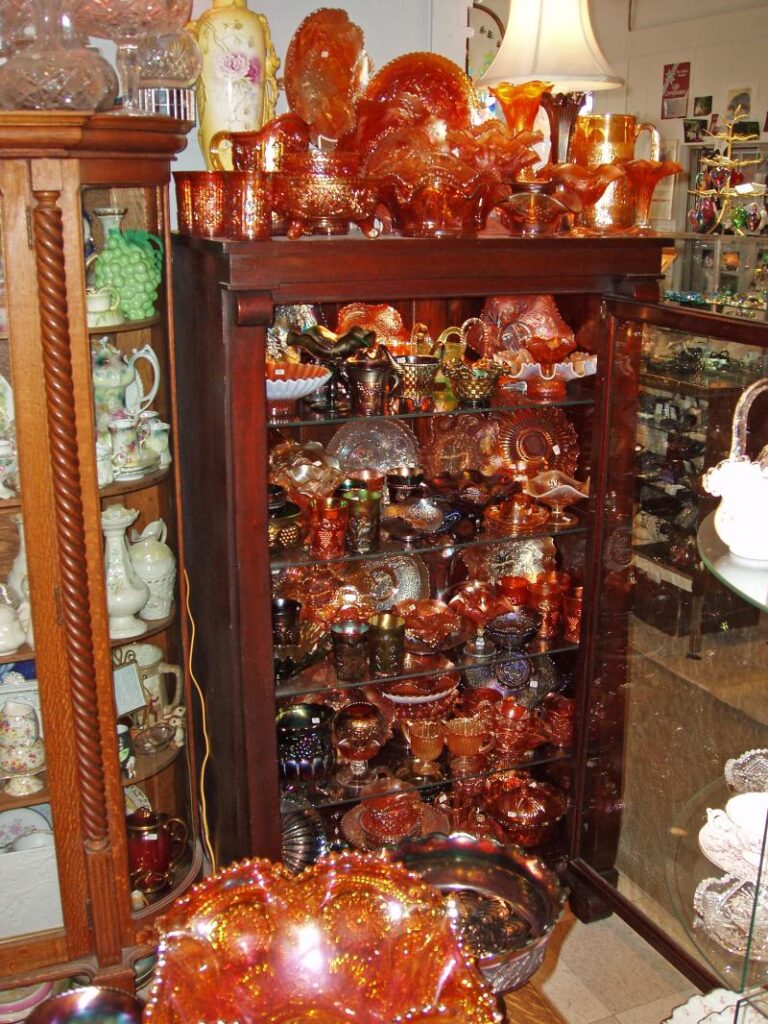
If you’re selling (or listing), the modern buyer wants clarity and confidence. The best-performing listings tend to include:
- pattern name (if known) or a clear motif descriptor
- base color (as best as you can identify it)
- measurements (diameter, height, and any foot diameter for stability)
- condition notes that address the rim and base specifically
- multiple lighting angles to show the iridescence
Bundles vs. singles
Modern buyers often prefer:
- singles for statement pieces (vases, compotes, standout bowls)
- bundles for common smalls (sets of plates, mixed lots of tumblers)
If a category is plentiful, bundling can help you move pieces faster while still offering value.
Trend-Proof Collecting: How to Buy What You’ll Still Love
If you want a collection that stays satisfying regardless of market swings, aim for pieces with at least two of these traits:
- strong form (shape that displays well even without a “rare” label)
- crisp condition (especially clean rims)
- bold pattern relief (texture that catches light)
- a base color you truly love
- a theme that ties your shelf together (motif family, color family, or form family)
The modern carnival glass market rewards confidence and personal taste. When you buy pieces you want to look at every day, you win—whether prices rise, flatten, or shift.
Let’s Make History—one shimmering shelf at a time.