There’s something special about country music memorabilia from the earliest days: it doesn’t just remind you of a song—it reminds you of a moment when music traveled by radio waves, 78 rpm records, and word-of-mouth excitement. Before stadium tours and glossy merch tables, “country collectibles” often looked like everyday paper and practical objects: a program, a postcard photo, a record sleeve, a station giveaway, a newspaper clipping saved in a drawer.
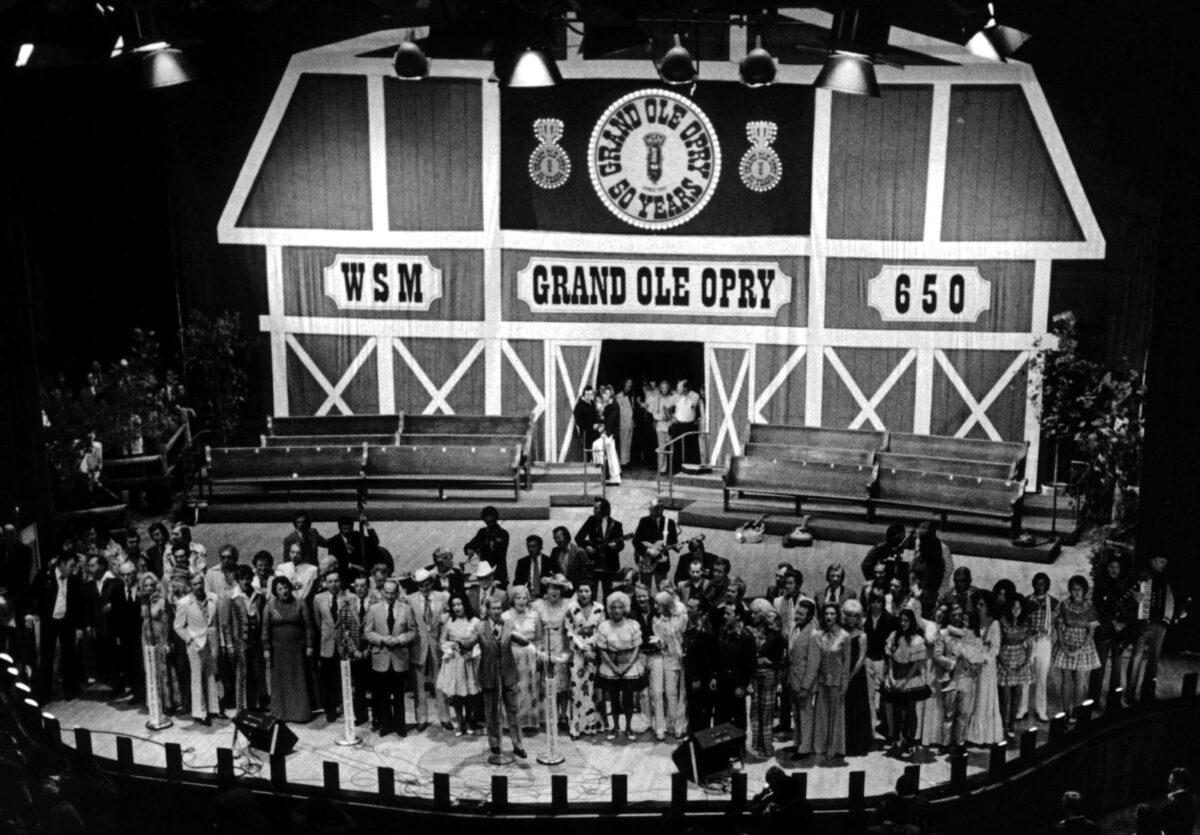
The Grand Ole Opry sits at the center of that story. Not because it’s the only place early country music happened—but because it helped broadcast the sound and the culture to a growing audience that wanted something to hold onto afterward. If you love collecting history you can touch, this is a perfect starting point.
How the Opry Began, and Why Collectors Still Care
The show that became the Grand Ole Opry began in the mid-1920s as a live radio program on WSM, based in Nashville. It started as the “WSM Barn Dance” and soon grew into a defining stage for the music we now call country. Behind the scenes, it was shaped by radio programming and a growing appetite for “old-time” music—fiddles, banjos, ballads, and comic songs—performed live for listeners near and far.
Early on, the program’s identity was tied to radio’s new power: if a performer sounded good on Saturday night, the audience might want a record, a photo, a song sheet, or anything that made the connection feel real. That’s why Opry-era collectibles are so exciting. They’re artifacts from a period when entertainment was becoming national—but memorabilia was still local, handmade, and sometimes accidental.
What Counts as “Early Country Collectibles”?
For collectors, “early” doesn’t have to mean one exact year. It’s more helpful to think in formats and materials that were typical of the radio-and-shellac era. Common collectible types include:
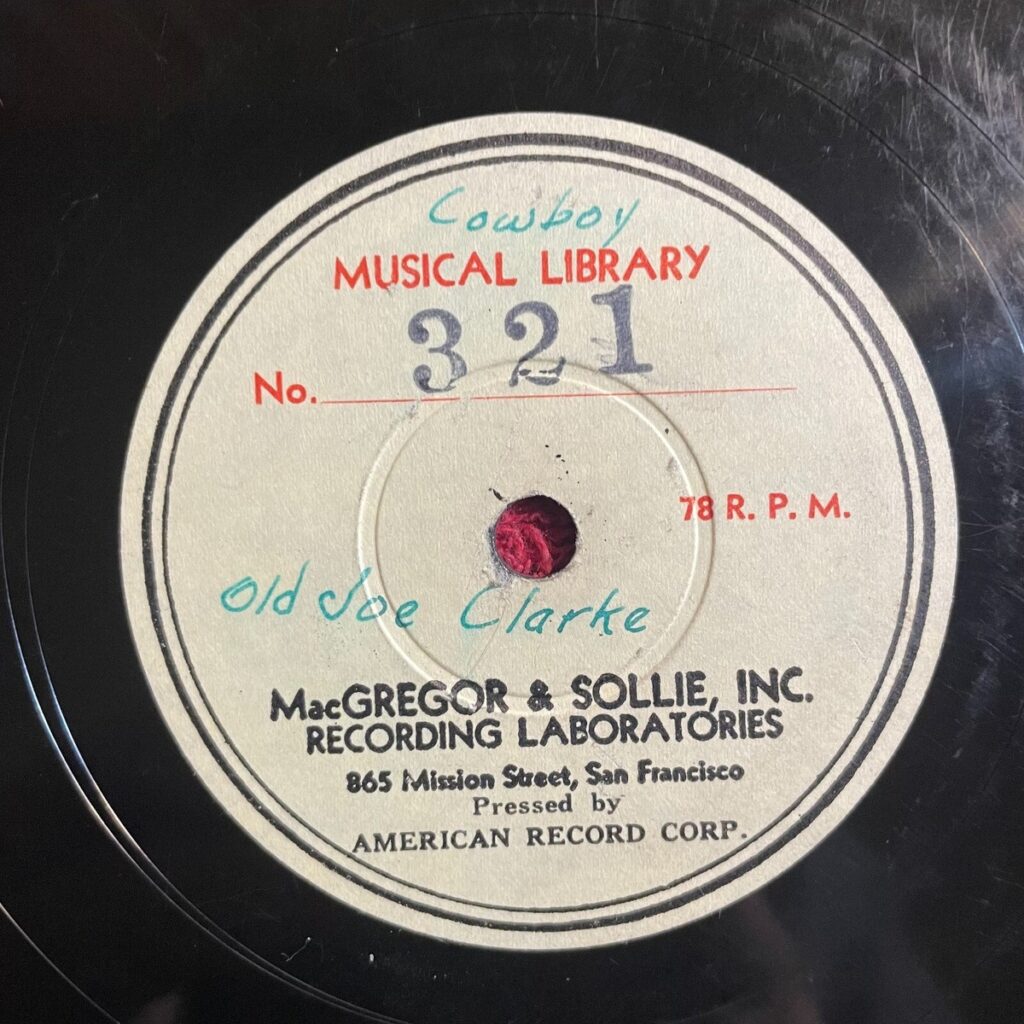
Shellac records and record ephemera
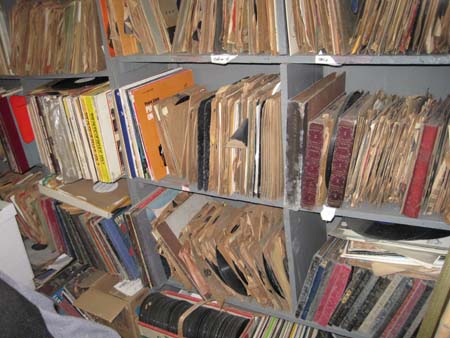
- 78 rpm records (often heavy, brittle, and easily chipped)
- Paper sleeves (plain, company-branded, or store-stamped)
- Promotional inserts or catalogs from record dealers
Paper items tied to performers and shows
- Publicity photos, postcards, and studio portraits
- Song folios and sheet music (especially for widely performed songs)
- Printed programs, handbills, or local show announcements
Radio and venue-adjacent items
- Station-related promotional pieces (premiums, giveaways, ads, small souvenirs)
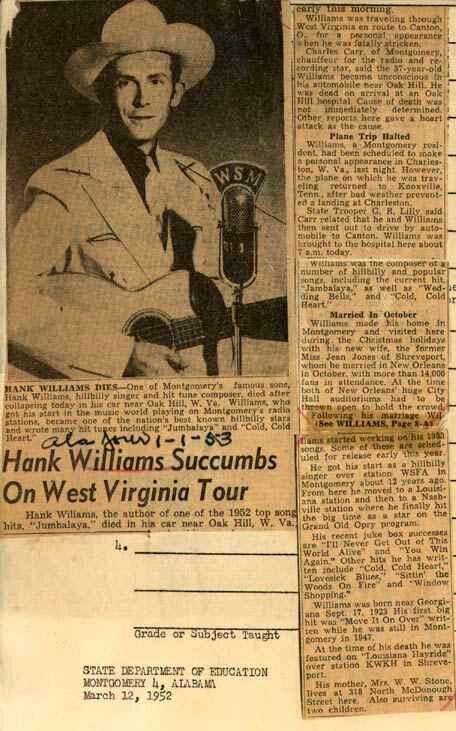
- Press clippings and advertisements saved by fans
- Correspondence and fan mail (especially when tied to a known performer)
The heart of this category is simple: early country collectibles are often paper-forward, broadcast-adjacent, and designed to circulate rather than survive.
The Opry’s Earliest “Names and Faces” as Collecting Clues
Even if you aren’t building a performer-focused collection, it helps to recognize a few early names because they show up in paper trails and reissue culture. The early Barn Dance period is closely associated with figures like George D. Hay (a key early announcer and organizer) and performers such as Uncle Jimmy Thompson, often cited in origin stories and retrospectives.
Collector tip: You don’t need to chase celebrity autographs to collect early country history. Sometimes the most compelling pieces are the “quiet” ones: a local print shop handbill, a regional record store sleeve, or a venue card that proves how—and where—this music was experienced.
What Collectors Actually Find (and What They Should Look Like)
When people imagine “early country memorabilia,” they often picture rare, museum-level items. In reality, the most findable pieces tend to be:
1) Record-related paper
If you collect 78s or early country reissues, keep an eye out for:
- Store-stamped sleeves (great for place-based collecting)
- Company sleeves that match the era of the record
- Mail-order catalogs or dealer lists
What to look for: honest age, edge wear consistent with handling, and printing that matches the period (not a modern glossy reproduction).
2) Studio portraits and publicity photos
These can appear as:
- Postcards
- Cabinet-card style portraits (sometimes later than the earliest Opry era, but still part of the collecting ecosystem)
- Press photos with typed captions or stamps
What to look for: period paper stock, authentic stamps/marks, and wear that makes sense (not “distressed” in a decorative way).
3) Paper advertising and local print
This is where the magic is—because local print is often scarce.
- Newspaper ads clipped and saved
- Store circulars mentioning records or appearances
- Community event announcements
What to look for: aging consistent with newsprint or older paper, and context clues that tie it to a place (town name, venue, printer).
How Radio Shaped the Earliest Memorabilia
Radio-era collectibles have a different “feel” than later concert merch. They were often:
- Intended to be read quickly and discarded
- Produced regionally
- Closely tied to stations, sponsors, and local businesses
It’s also why provenance can matter more than usual. A scrapbook page with clippings might not look like much—until you realize it’s a time capsule assembled by a listener who tracked the show and the performers week by week.
If you’re lucky, you’ll find items that connect directly to the Opry’s changing venues—especially after it moved into Ryman Auditorium in the 1940s, which later became one of the show’s most iconic associations.
Authenticity and Reproductions: What to Watch For
Country music nostalgia sells—and that means reproductions and “vintage-style” prints are everywhere. Some are great for décor, but collectors should know the difference.
Common modern tells
- Artificial “tea staining” or overly even discoloration
- Modern paper that feels too bright, too smooth, or too uniformly thick
- Pixelated printing (a sign of digital reproduction)
- Newly added “aged” creases that don’t match natural handling patterns
More reliable authenticity clues
- Wear concentrated at corners and folds (where hands actually touch)
- Old staples, old glue residue, or period-fastener patterns
- Printing styles that match older commercial methods (and ink that sits like ink, not toner)
If a piece claims major historical significance, look for corroborating details: names, locations, printing company marks, or any “paper trail” connection that supports its story.
Care and Storage: Keep Fragile History From Becoming Damage
Early country collectibles are often fragile because they’re either paper or shellac—two things that don’t forgive rough handling.
Paper and ephemera
- Store flat when possible, in acid-free sleeves or folders
- Keep out of direct light (fading is permanent)
- Avoid tape and “magnetic” photo albums
- Use rigid backing for photos and thin handbills
Shellac records and sleeves
- Store 78s upright, never stacked
- Use inner sleeves that won’t scuff labels
- Handle by edges and label area only
- Keep them away from heat (warping and cracking are real risks)
A good rule: treat early country paper like you would treat old photographs—stable, dry, dark storage is your friend.
Building a Coherent Collection: Four Easy “Collector Lanes”
If you want your early country collection to look intentional (and stay manageable), choose a lane:
- Show lane: Opry-adjacent items, radio ephemera, venue pieces
- Format lane: 78s + sleeves + catalogs + related paper
- Place lane: items tied to one region, town, or record store footprint
- Theme lane: instruments, Western wear imagery, barn dance graphics, typography styles
And then pair smartly:
- A 78 rpm record + a period sleeve from a regional shop
- A publicity postcard + a newspaper clipping mentioning the same performer
- A venue-adjacent paper item + a related souvenir-style piece
Coherence doesn’t require everything to match. It requires everything to belong to the same story.
A Gentle Collector’s Checklist
Before you buy, ask:
- Does this fit my lane (show, format, place, or theme)?
- Does the age and wear make sense for what it claims to be?
- Is the condition stable enough to store safely (especially paper and shellac)?
- Can I connect it to context—venue, station, artist, retailer, or location?
- Am I buying it because it’s meaningful, or just because it looks “old”?
Early country collectibles reward patience. The best pieces often aren’t the flashiest—they’re the ones that feel like you rescued a small, real fragment of how people actually lived with this music.
Let’s Make History—one twangy treasure at a time.