
If the early bicycle eras were about invention and everyday transportation, the late 20th century brought something different: bikes built for identity, sport, and terrain. BMX made the bicycle a backyard race machine and a style statement. Mountain bikes turned dirt roads and rugged trails into a destination. And together, they created a new kind of collectible—modern classics that still feel close enough to our own lives to spark instant nostalgia.
This is the era where bicycles became cultural markers. You can spot the silhouettes immediately: a compact BMX with a straight top tube and pegs, or a knobby-tired mountain bike that looks ready to climb a hill at any moment. For collectors, these bikes are especially fun because they bridge two worlds: they’re historically significant, but many are still rideable, restorable, and display-worthy without requiring museum-level space.
Let’s dig into how BMX and mountain bikes rose, what makes certain models “modern classics,” and how collectors evaluate these machines today.
BMX: When Kids Built a Sport in the Dirt
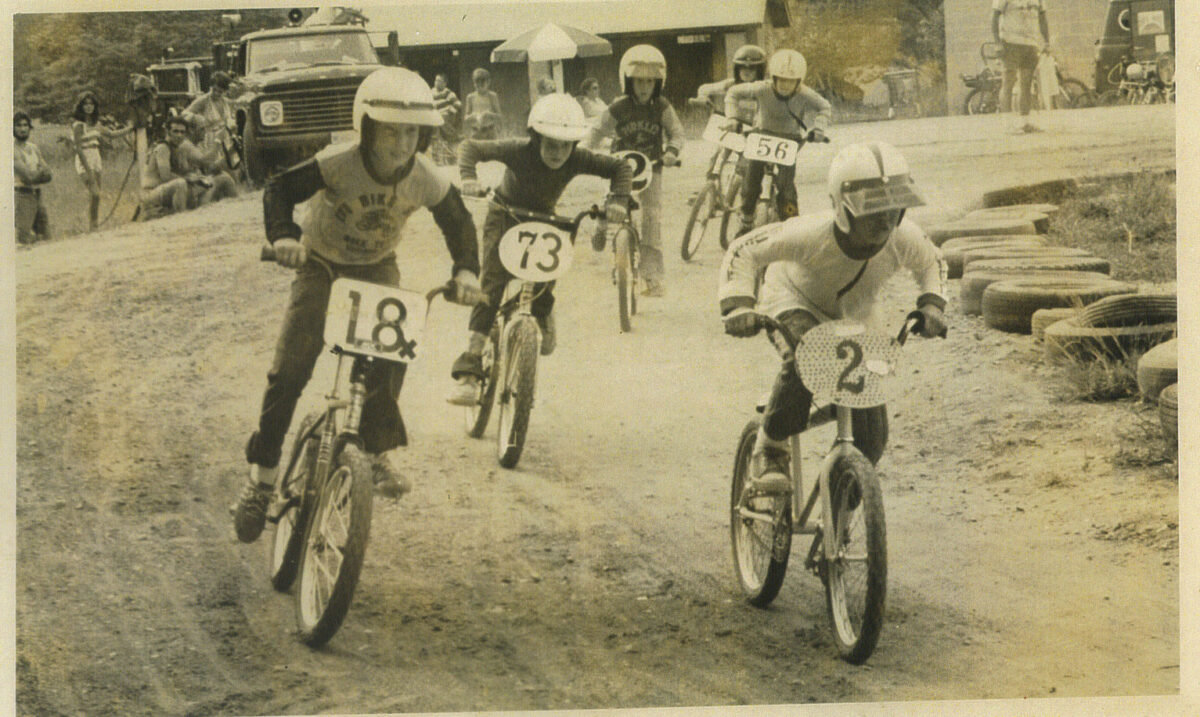
BMX (Bicycle Motocross) didn’t start in boardrooms. It started in neighborhoods—kids watching motocross, then building their own version with bicycles and a patch of dirt. The earliest BMX culture grew out of informal racing on dirt tracks, jumps, and makeshift courses, where toughness mattered more than elegance.
What defines a BMX bike?
Classic BMX bikes tend to share a few instantly recognizable traits:
- 20-inch wheels (most common), built strong for impacts
- Single-speed drivetrains designed for quick acceleration
- Compact frames with tight geometry for control
- Sturdy handlebars (often a bit taller) for leverage and tricks
- Pegs (especially on freestyle setups)
- Number plates (common in racing) and pads (iconic to the look)
The most important thing to understand is that BMX isn’t just one style. Even within the “classic” years, BMX quickly split into different personalities.
BMX racing vs. freestyle
- Racing BMX emphasizes speed and handling on a dirt track—jumps, berms, and a sprint mentality.
- Freestyle BMX leans into tricks, ramps, flatland, and the kind of athletic creativity that made BMX feel like a cousin to skate culture.
From a collector’s perspective, this matters because the details differ: bars, brakes, gearing, forks, wheels, and even frame reinforcements can vary depending on whether the bike was intended for racing, street, ramps, or flatland.
Why BMX became a cultural force
BMX was accessible. You didn’t need a mountain range or expensive gear to get started—just a bike, a neighborhood, and friends willing to build a track. That DIY origin gave BMX a particular kind of authenticity. Even as it became a big commercial category with professional riders and signature components, it kept the feel of something born from youth culture and local creativity.
That’s also why BMX nostalgia hits hard: it’s tied to a very specific feeling—freedom after school, long summer evenings, scraped knees, and the thrill of “just one more run.”
Mountain Bikes: The Off-Road Revolution
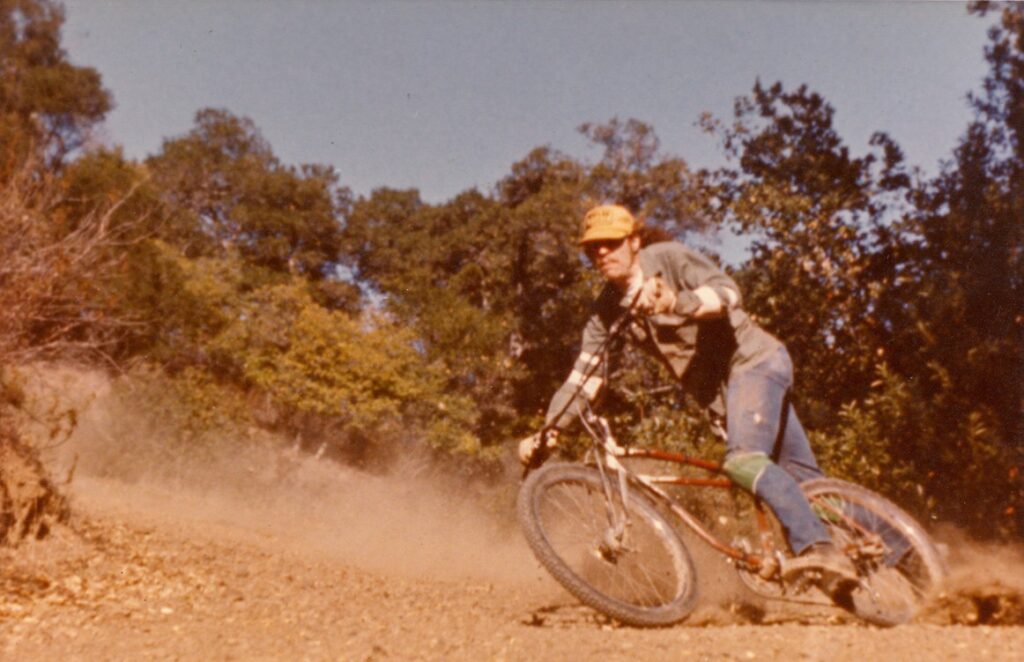
Mountain biking grew out of a different desire: taking a bicycle where it wasn’t “supposed” to go. Early mountain bike culture developed from riders modifying existing bikes to handle rough terrain—descents, fire roads, and trails that demanded better brakes, wider tires, and more durable frames than traditional road bikes.
What makes a mountain bike a mountain bike?
At its core, mountain biking is about traction, control, and durability. Early mountain bikes and their descendants share features like:
- Wider tires with knobby tread for grip
- Stronger frames built for impacts and rough ground
- Lower gearing to make climbing possible
- More powerful braking than typical street bikes of earlier decades
- A riding position designed for balance and stability off-road
As the category matured, it didn’t stay static. It evolved rapidly, and collectors often use these changes to date a bike at a glance.
The rapid evolution: from rigid to suspension, from simple to specialized
A quick collector-friendly way to think about mountain bike evolution:
- Early models often look “simple” by modern standards: rigid forks, straightforward frames, and practical components chosen for durability.
- Later models introduced more purpose-built geometry and component systems.
- Suspension (front first, then full) changed the look and feel dramatically, creating distinct eras that collectors recognize immediately.
Because this category moved fast, even small details can signal a specific time window—brake types, shifter styles, fork design, wheel size trends, and frame construction methods.
Why mountain bikes mattered beyond the sport
Mountain bikes helped normalize the idea that a bicycle could be a true all-terrain vehicle. They also helped shape outdoor recreation culture: trails, events, and riding communities grew into a major part of many regions’ identities. For collectors, that broader impact adds meaning—these bikes aren’t only “old gear.” They’re markers of a shift in how people played, traveled, and defined adventure.
What Counts as a “Modern Classic” Bicycle?
In collecting, “modern classic” usually means an object that’s old enough to represent a distinct era, but new enough to feel personally familiar. For bikes, modern classics often include:
- Early or influential BMX bikes tied to the rise of racing and freestyle culture
- Early mountain bikes that show the category’s first big design leaps
- Iconic silhouettes that defined a decade (even if they weren’t the rarest)
- High-quality builds that represent peak craftsmanship for their time
- Bikes with period-correct components that are now collectible on their own
Modern classics aren’t only about “the first.” They’re about what defined a moment—what kids begged for, what riders raced, what magazines featured, what changed the sport, and what still looks instantly right today.
The Collector’s Checklist: What to Look For in BMX and Mountain Bikes
Whether you’re buying for display, nostalgia, or a rideable restoration project, these are the factors that tend to matter most.
1) Frame condition and integrity
Start here. Frames take the stress, and damage can be expensive—or unsafe.
Look for:
- Cracks near welds and joints
- Significant dents (especially on thin tubing)
- Bent forks or misalignment
- Severe rust, especially in hidden areas
2) Originality: paint, decals, and the “right” parts
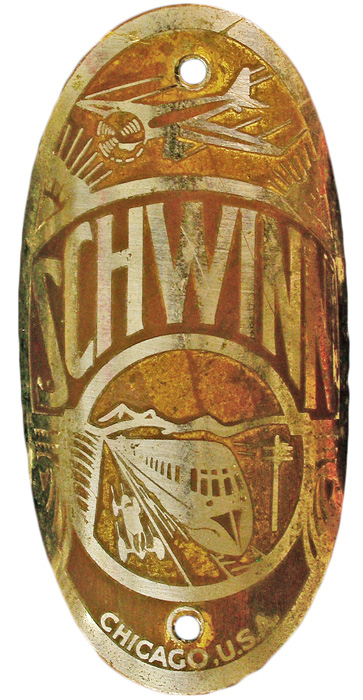
Original paint and decals often drive collector value, even if they’re scratched or faded. For many collectors, authentic wear is more appealing than a too-perfect restoration.
Key questions:
- Are the decals consistent with the bike’s era and style?
- Do the components look like they belong together?
- Is the build a coherent “time capsule,” or a parts blend?
Mix-and-match builds are common, especially in bikes that lived hard lives. That doesn’t make them worthless, but it changes how they’re valued.
3) Components that signal the era
Modern bicycle history is written in parts. Brakes, shifters, bars, stems, cranksets, and wheel builds can point to a specific period.
For BMX, collectors often pay attention to:
- Handlebar style and clamp/stem setup
- Brake configuration (or lack of brakes in certain freestyle styles)
- Wheel and hub type
- Pegs and period accessories
For mountain bikes, common “era tells” include:
- Brake style (and mounting)
- Shifter type and placement
- Fork style (rigid vs. early suspension)
- Tire width and tread style
- Drivetrain configuration and gearing range
4) Provenance and story
A bike with a story can stand out—especially if it comes with:
- Photos of the original owner riding it
- Race number plates, event stickers, or shop tags
- Period accessories that stayed with the bike
- Documented links to a local track, trail scene, or shop culture
Sometimes the emotional value is the point. A “not rare” bike can become a prized collectible if it’s the exact model someone rode in 1987 or 1994.
5) Rarity vs. desirability
Not all valuable bikes are rare, and not all rare bikes are broadly desirable. Some models command attention because they were iconic, not because they were scarce. In the modern classic world, cultural impact often matters as much as production numbers.
Restoration vs. Survivor: Two Different Collecting Styles
With BMX and mountain bikes, restoration decisions come up fast because these bikes were made to be used hard.
The survivor approach
Survivor collectors love:
- Honest paint wear and faded decals
- Original parts even if they show age
- Period-correct patina that tells a real story
The goal is careful cleaning and stabilization—preserving what’s left, not rewriting it.
The restoration approach
Restorations can be gorgeous, but the most respected restorations tend to be:
- Faithful to original colors and finishes
- Built with correct or era-appropriate parts
- Transparent about what’s replaced
One common pitfall in modern classic collecting is “too new” restoration—fresh decals, shiny parts, and modern upgrades that erase the bike’s identity. If your goal is collectibility, it pays to restore with restraint.
If You Plan to Ride It: Safety Matters
A lot of collectors do ride their modern classics, and that can be part of the joy. But a few practical realities apply:
- Rubber ages (tires and grips may need replacing even if they look fine)
- Brake pads, cables, and chains should be evaluated carefully
- Bearings may need service
- Old bikes may not stop, handle, or fit like modern ones
If the bike is primarily a display piece, you can preserve more original parts. If it’s a rider, thoughtful replacement of wear items can make it safer without destroying its character—especially if you keep the original parts stored.
Display Ideas: Make the Era Feel Alive
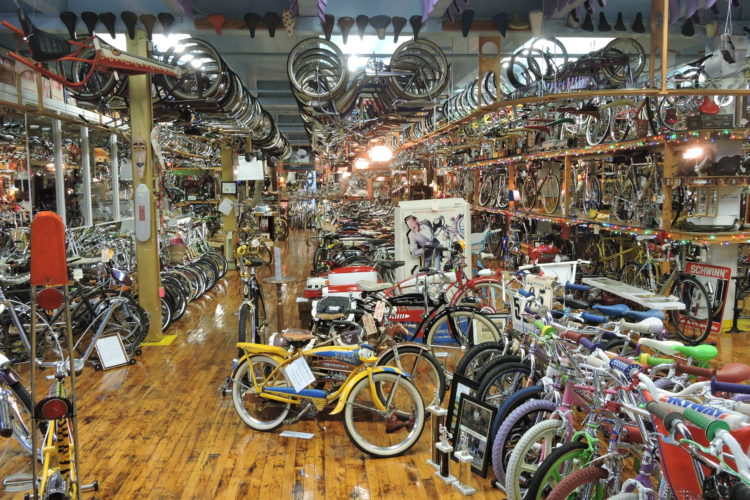
Modern classics display beautifully because they still look “right” in everyday spaces. A few ideas:
- Wall-mounted as functional art (especially BMX silhouettes)
- Grouped by discipline: BMX on one wall, mountain bikes on another
- Pair with ephemera: vintage helmets, gloves, race plates, catalogs, magazine ads, trail maps
- Create a decade corner: a 1980s BMX with period posters, or a 1990s mountain bike with early trail culture accessories
A well-displayed modern classic bike doesn’t just show a machine—it shows a whole moment in time.
Why BMX and Mountain Bikes Belong in Collecting History
These bikes represent a shift in what bicycles could mean. BMX proved a bicycle could be a sport built from the ground up by youth culture. Mountain bikes proved the bicycle could be an adventure machine that redefined the outdoors for everyday riders. Together, they shaped how bikes look, how we ride, and what “cool” means on two wheels.
And for collectors, they offer something special: history you can still touch, still restore, still display, and sometimes still ride.
Let’s Make History—one modern classic at a time.