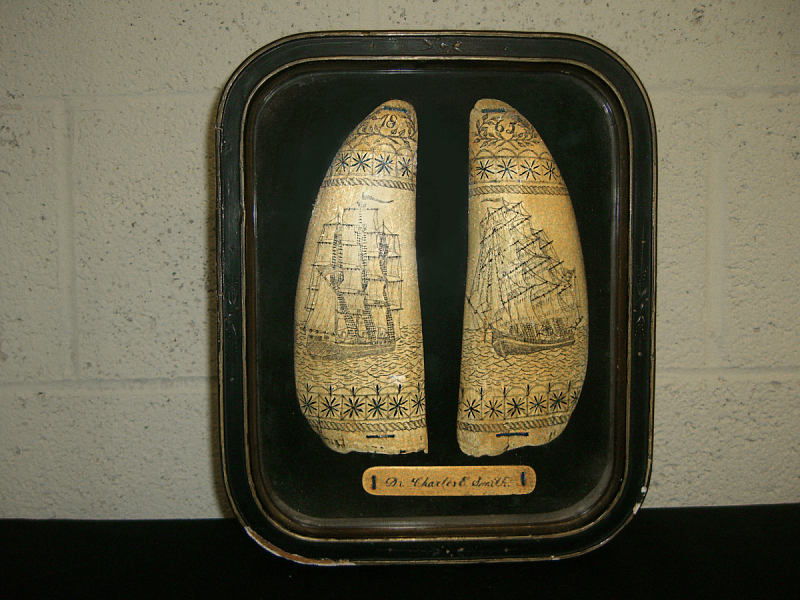
Scrimshaw has a special kind of magnetism for collectors. It’s maritime folk art you can hold in your hand—engraved lines, patient shading, and images that feel like they came straight off the deck of a whaleship.
That appeal is exactly why scrimshaw is also a category where you need a sharper collector’s eye. For well over a century, scrimshaw has been copied, reinterpreted, “improved,” and outright faked. Some reproductions are honestly sold as decorative pieces. Others are made to look older, rarer, or more valuable than they really are. And even when a piece is authentic, scrimshaw materials can be sensitive to light, oils, and improper cleaning.
This post is your practical, collector-friendly guide to three things:
- the most common types of scrimshaw fakes and reproductions you’ll encounter,
- what to look for when evaluating authenticity, and
- how to care for scrimshaw so it stays stable and display-ready.
First, a Reality Check: “Scrimshaw” Isn’t Always Old
In collector terms, “scrimshaw” can mean different things depending on who’s talking. Some people use it strictly for sailor-made whaling-era work on marine ivory and bone. Others use it more broadly for any engraved “scrimshaw-style” decoration on ivory, bone, horn, antler, or synthetic substitutes.
That matters because it’s possible to buy a piece that is:
- genuinely old and shipboard-made,
- older but made ashore as a souvenir,
- a later decorative piece in the scrimshaw tradition, or
- modern and mass-produced.
None of those categories is automatically “bad.” The problem is when something is presented as something it isn’t.
The Most Common Types of Fakes and Reproductions
1) Tourist and souvenir scrimshaw
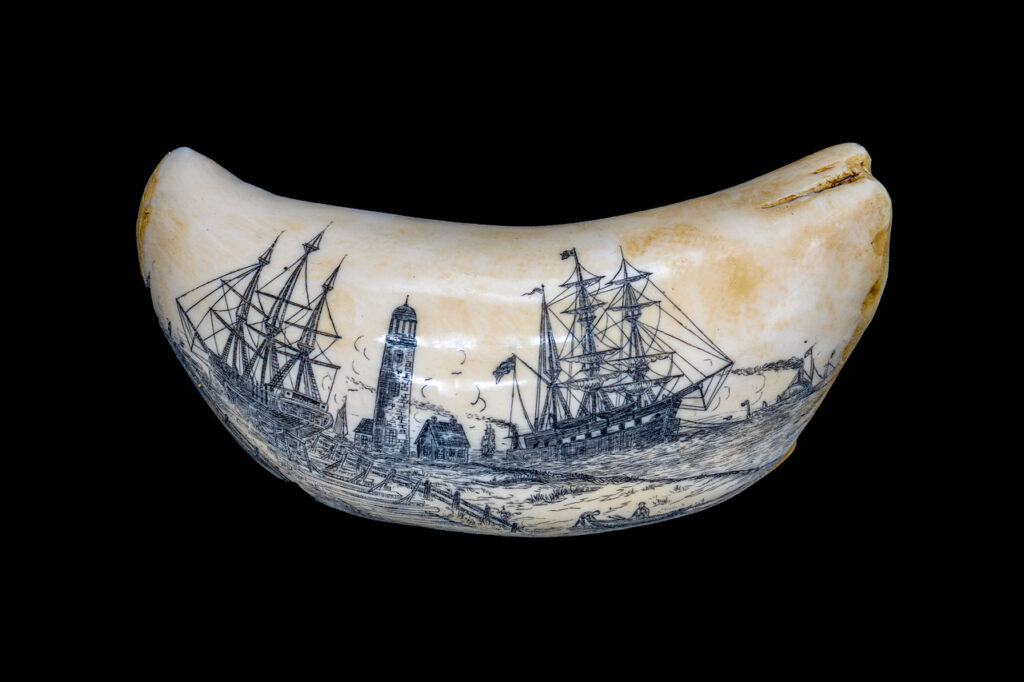
For a long time, scrimshaw imagery has been part of coastal tourist culture—especially in places with maritime history. Souvenir pieces may be decades old and still collectible, but they’re not the same market as whaling-era work.
Clues you may be looking at souvenir production:
- themes that feel “storybook nautical” rather than lived-in maritime detail
- very consistent style across multiple examples
- modern-feeling compositions (especially when the imagery seems designed for gift shops)
- surfaces that appear uniformly “aged” without natural handling patterns
2) Modern hand-engraved scrimshaw (sold as “antique”)
There are modern artisans who create scrimshaw-style engraving by hand. Honest modern work can be beautiful and desirable—especially when it’s clearly labeled as contemporary.
The issue is when modern handwork is artificially aged and sold as older. You may see:
- “too perfect” portraits and shading that resemble modern illustration styles
- very clean, deliberate composition that doesn’t respond naturally to the curve of a tooth
- aging that looks staged (for example, heavy darkening in recesses but a strangely pristine high surface)
3) Machine-engraved and laser-etched “scrimshaw”
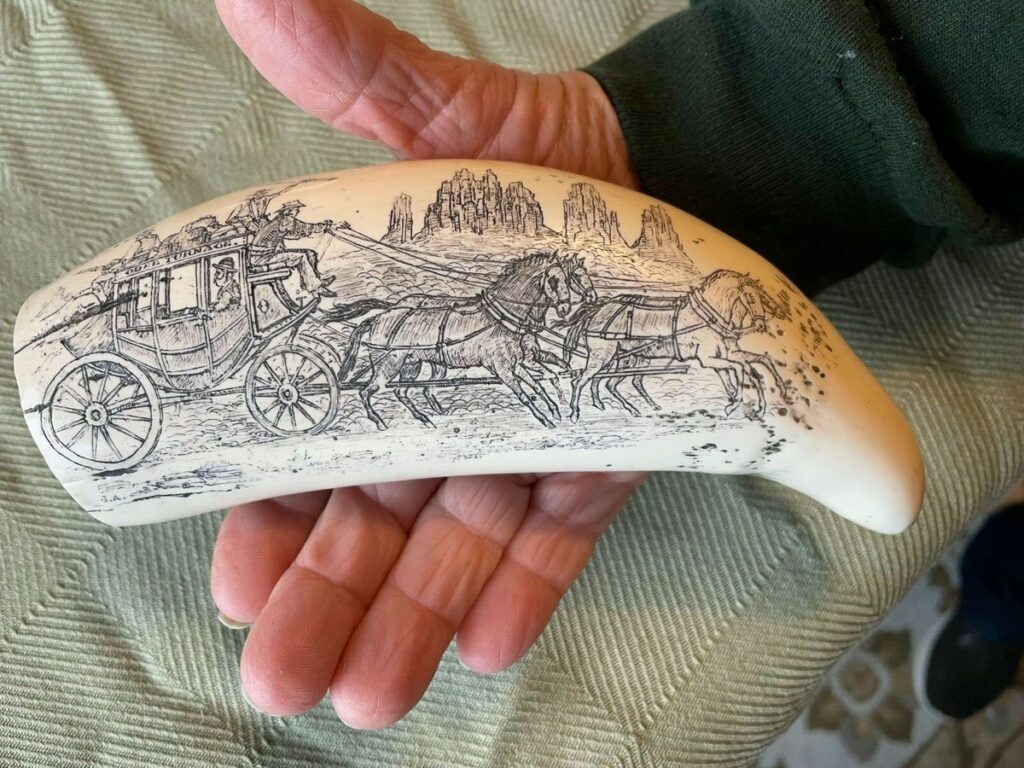
This is one of the biggest modern categories. Machine work often looks impressive in photos, but it can have telltale uniformity.
Common signs:
- extremely consistent line depth and width across the whole design
- shading that looks patterned rather than built up by hand
- edges that look “burned” or overly sharp in a way that feels more like etching than engraving
- repetition: the same exact design showing up again and again
4) Printed or transferred images made to look engraved
Some reproductions rely on transfers or printing rather than true engraving. These can look convincing at a glance, especially online.
What to watch for:
- “ink” that sits on the surface rather than in cut lines
- a design that looks flat, with no change in line character
- rubbed or worn areas that reveal a surface image instead of pigment embedded in engraving
5) Synthetic “ivory” pieces marketed as whale tooth
Resin and composite materials are commonly used as substitutes. Again: not automatically wrong, but it should be described honestly.
Clues of synthetic material can include:
- a surface that looks overly uniform (no natural variation)
- unnatural translucency or an odd plastic sheen
- small bubbles or casting artifacts (sometimes visible at edges or on the underside)
6) Real old material + new engraving
One of the trickiest situations is when someone engraves a modern design onto older ivory or bone. That can create a convincing “old substrate” with a newer image.
Collector habit: treat the material and the engraving as two separate questions. Even if the material is older, the design might not be.
A Collector’s Checklist for Evaluating Scrimshaw
You don’t need to become a lab. You just need consistent habits—especially when buying online.
Ask (or look) for these photos every time
- full front view
- close-ups of the engraving (especially shading areas)
- close-ups of edges and any chips or cracks
- the reverse side
- photos in natural light (if possible)
Look for the “hand”
Authentic older work often shows small human qualities:
- slight variations in line thickness
- tiny corrections or doubled lines
- shading that builds unevenly in a natural way
- a design that adapts to the shape instead of fighting it
Machine work, by contrast, often looks evenly “too consistent,” especially in shaded areas.
Pay attention to wear patterns
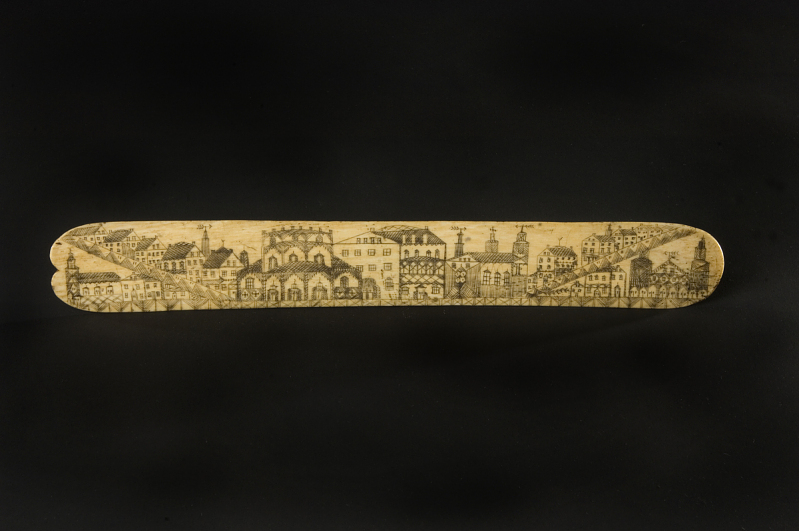
Real wear is usually concentrated where fingers touch and where objects rest:
- edges, high points, and handling zones may polish over time
- aging often has subtle transitions rather than one uniform tone
- very dark “antique patina” in every recessed area can look staged
Consider the subject matter and style
You don’t need to memorize every theme, but do ask:
- does the ship rigging look plausible, or is it generic clip-art sailing?
- do the letters feel period-ish and naturally spaced, or modern and graphic?
- does the portrait look like a copied print—or like a contemporary illustration?
Provenance matters (even a little)
A credible story is helpful. A vague story is not proof. But details—where it came from, how long it’s been in a family, what collection it belonged to—can help you weigh risk.
If it’s a big purchase, buy from sellers who stand behind it
Returns, clear descriptions, and thorough photos matter more in scrimshaw than in many categories. If a seller refuses close-ups, treat that as a red flag.
Legal and Selling Reality: Know Before You Buy (Especially If You Resell)
Scrimshaw can involve regulated wildlife materials, and rules vary widely depending on:
- the species involved,
- whether the item qualifies as an antique under applicable law,
- where you live, and
- whether the transaction is local, interstate, or involves shipping.
Because these rules can be complex and change over time, the safest collector practice is:
- document what you can (photos, descriptions, any provenance you receive), and
- check current federal and state requirements before buying for resale or shipping across state lines.
If you’re building inventory (not just collecting), it’s especially important to confirm what’s legal to sell in your jurisdiction and where you can ship.
Care Basics: How to Keep Scrimshaw Stable and Beautiful
Scrimshaw materials can be surprisingly sensitive. The goal is to preserve the surface, protect the pigment in the engraving, and avoid conditions that cause cracking, warping, or staining.
1) Avoid harsh cleaning—gentle is the rule
Do:
- dust with a soft, dry microfiber cloth
- use a very soft brush for crevices (think clean makeup brush softness)
Avoid:
- soaking in water
- household cleaners, alcohol, or solvents
- abrasive polishes (they can remove surface finish and disturb engraved pigment)
If a piece is sticky or grimy, it’s usually better to leave it alone than to “fix” it aggressively. When in doubt, consult a conservation-minded professional.
2) Handle with clean, dry hands (or gloves)
Natural skin oils can darken porous areas and create uneven “fingerprint aging” over time. Gloves can help, but even just clean, dry hands and minimal handling makes a difference.
Best practice:
- handle by edges or non-decorated areas when possible
- avoid touching the engraved face repeatedly
3) Light is a quiet destroyer—limit UV exposure
Light can fade pigments and change surface tone. If you display scrimshaw:
- keep it out of direct sunlight
- avoid bright windowsills
- consider UV-protective glazing if framing paper-adjacent pieces or displaying in bright rooms
4) Stable temperature and humidity matter
Natural materials can expand and contract with environmental changes. That’s how you get:
- fine surface checking
- deeper cracks
- warping (especially in baleen)
Aim for:
- a stable, comfortable indoor environment
- avoidance of damp basements, hot attics, or areas near radiators/vents
5) Store safely: support, cushion, and separate
For teeth and small objects:
- store in acid-free boxes with padded supports
- keep pieces from touching each other (especially engraved faces)
For flat bone or baleen pieces:
- store flat when possible
- avoid pressure points and heavy stacking
- use archival interleaving to prevent abrasion
6) Watch for early warning signs
If you see:
- new cracks forming or spreading
- flaking pigment in engraved lines
- warping or lifting in baleen
- sticky surfaces or “weeping” residue
…pause and reassess conditions. Often the solution is environmental: less light, less humidity swing, less handling.
A Simple Collector Strategy: Separate “Display Pieces” From “Study Pieces”
If you’re building a scrimshaw collection (or inventory), consider keeping two mental categories:
- Display pieces: stable, attractive, easy to show safely
- Study pieces: interesting, but maybe fragile, heavily worn, or best stored rather than displayed
That mindset helps you protect the pieces and prevents the common mistake of over-cleaning or over-handling something that deserves gentle stewardship.
Scrimshaw is one of those categories where the long view wins. Buy carefully, document what you can, protect what you own, and remember: a little honest wear is part of the story—but damage from avoidable care mistakes doesn’t have to be.
Let’s Make History—one honest carving at a time.