
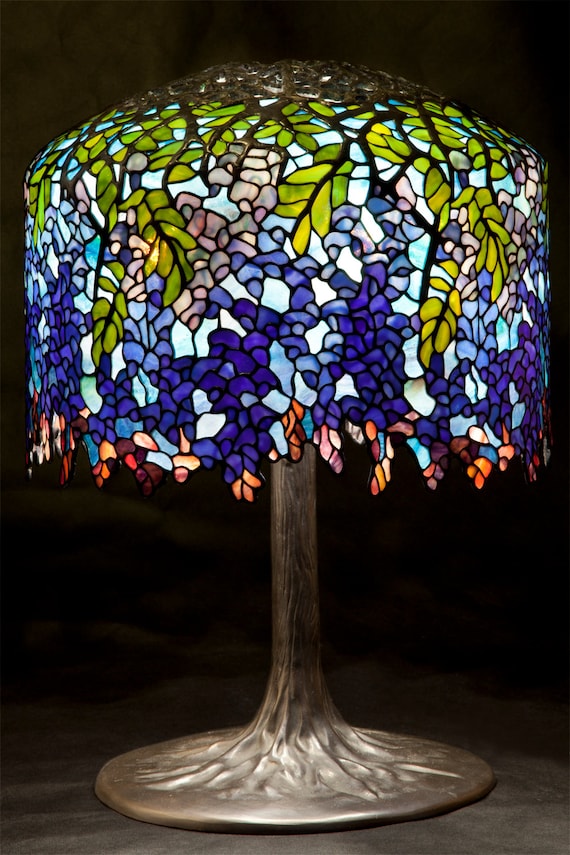
There’s a reason Tiffany lighting stops people mid-step. It isn’t just pretty glass—it’s the way the glass performs. Turn the lamp off and you have a patterned object. Turn it on and you get a whole atmosphere: color shifts, textures wake up, and the room feels warmer, softer, and somehow more alive.
For collectors, Tiffany lighting sits at a sweet spot where decorative arts meet everyday use. These pieces were made to live in homes—on desks, beside reading chairs, in libraries, and in entryways—yet they were designed with the ambition of fine art. If you’re building a Tiffany-focused collection, lamps and lighting are also where you can learn the most, because they combine glass, metalwork, design history, and practical condition concerns all in one object.
This post is a collector-friendly guide to Tiffany lighting: how it developed, how these pieces were made, what kinds of lighting objects Tiffany Studios produced, and what to look for when you’re buying, caring for, and displaying them.
Why Tiffany Lighting Became an Icon
Tiffany is often associated with stained glass windows, but lighting is where the Tiffany look became part of daily life. A lamp could bring that same color-and-light experience into a room without needing architectural installation. It also made Tiffany’s nature-driven design language—wisteria, dragonflies, pond lilies, peonies—feel intimate and personal.
Collectors love Tiffany lighting because it offers:
- Light as design (the glow is part of the artwork)
- A “garden” of motifs that feels endlessly collectible
- Studio craftsmanship that rewards close looking
- Display flexibility (a lamp can anchor a room, a shelf, or a curated vignette)
When Electricity Changed the Shape of a Lamp
One of the most interesting things about Tiffany lighting is how closely it’s tied to changing technology. Earlier lamp forms were shaped by the needs of flame: ventilation, fuel, heat management, and the physical structure that made an oil lamp work safely. As electric lighting became more common, designers suddenly had freedom. Without fuel reservoirs and open flames, a lamp could be lighter, more sculptural, and more experimental.
That shift helped make some of Tiffany’s most celebrated forms possible—lamps where multiple small bulbs could be tucked into flower-like structures or arranged to follow natural shapes. For collectors, this is a helpful reminder: Tiffany lighting isn’t only “beautiful glass.” It’s also a design response to a new way people lived at home.
How Tiffany Shades Were Made

Tiffany lamp shades weren’t painted pictures on glass—they were built from carefully selected pieces of colored glass, assembled into a design that would glow in a controlled way when lit.
A simplified “how it works” overview:
1) Design and pattern planning
A design begins as an overall plan, then becomes a pattern broken into many small shapes. These shapes are what allow the shading and movement that make Tiffany lighting feel so organic.
2) Glass selection (the secret sauce)
One of the most important steps is choosing sheets of glass with the right color variation and texture. Tiffany glass often has built-in tonal shifts, so the piece can look almost painterly when illuminated.
3) Cutting and fitting
The glass is cut to match the pattern precisely. This is also where skilled selection matters: two pieces cut from different areas of the same sheet can look dramatically different once lit.
4) Copper-foil construction
For many Tiffany leaded-glass shades, artisans wrapped the edges of each glass piece in thin copper foil and soldered the pieces together. This method supports intricate designs made from many small pieces, creating the detailed “mosaic” look collectors recognize immediately.
Collector note: When you see a shade with very small, complex pieces and graceful curves, you’re often seeing the advantages of this construction approach.
A Garden of Motifs: What Tiffany Lighting Looks Like at Its Best
Tiffany lighting is famous for its nature-inspired designs, and collectors often gravitate toward motifs that feel like a personal “lane.” Even when you’re not chasing rare models, collecting by motif is one of the easiest ways to build a coherent Tiffany lighting story.
Popular motif families include:
Wisteria and cascading florals
Wisteria designs are beloved because they’re dramatic when lit—soft clusters of color that feel like blossoms spilling downward. They also tend to show off the studio’s ability to use glass selection to create shading and depth.
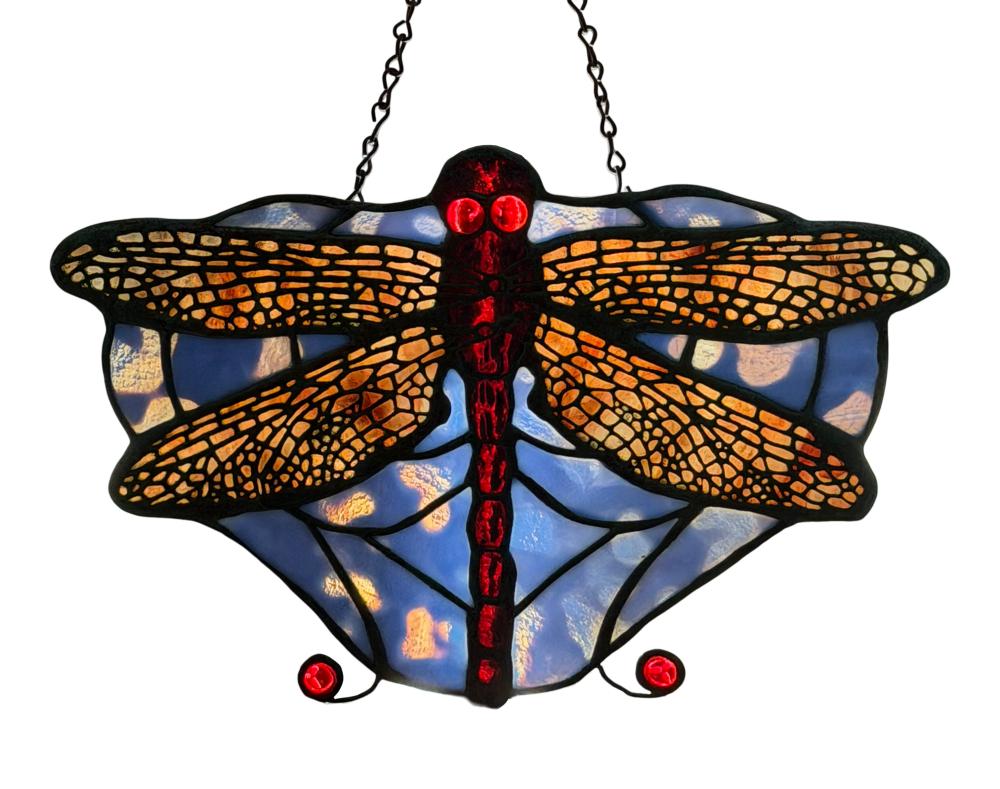
Dragonflies, butterflies, and garden insects
Insect motifs are classic Tiffany: lively, graphic, and instantly recognizable. They also connect to a charming accessory category—lamp screens—decorative glass pieces designed to hang below a shade and soften the glare from visible bulbs. These small additions can make a big visual difference and are fascinating collectibles in their own right.
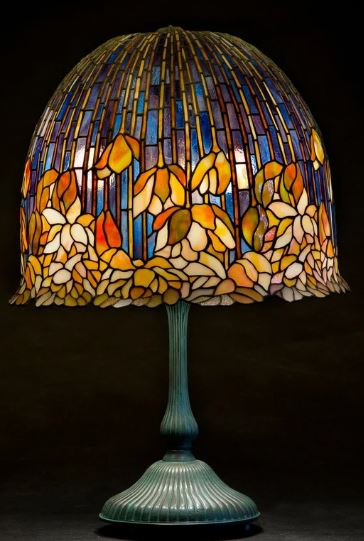
Pond lilies and water themes
Water-and-flower designs are a Tiffany signature for good reason: they look luminous and tranquil when illuminated, with color shifts that feel like reflections.
Peonies, poppies, and bold blooms
Big floral designs can read as almost sculptural when lit, especially when the glass has strong tonal variation.
Collector tip: If you’re overwhelmed by options, choose one motif lane and stick to it for a while. Your collection will look intentional fast.
Bases, Metalwork, and the Problem of “Mix-and-Match”
A Tiffany lamp isn’t only a shade. The base matters—both aesthetically and for collecting integrity. Many Tiffany lamps used bronze bases with rich surface finishes (patinas) designed to harmonize with the shade. Over time, lamps can become “married” pieces: an authentic shade paired with a different base, or a base paired with a later replacement shade.
This is common enough that collectors should approach it calmly and practically:
- A mismatched base doesn’t automatically make a lamp “bad,” but it does change what the lamp represents and how it should be priced and described.
- If you’re collecting for historical integrity, you’ll want shade-and-base combinations that make sense together.
- If you’re collecting for display, you may simply want a pairing that looks cohesive and stable.
What to look for in bases:
- Condition of the metal surface (patina wear can be normal; harsh over-polishing can be a concern)
- Structural stability (no wobble, stress cracks, or poorly executed repairs)
- Evidence of safe wiring work (more on that below)
Tiffany Lighting Isn’t Just Table Lamps
When people think “Tiffany,” they often picture a table lamp—but Tiffany Studios produced a wide range of lighting-related objects that collectors can explore without needing to commit to a single huge centerpiece.
Floor lamps and multi-light forms
Floor lamps can be visually dramatic and often incorporate multiple lights. They’re also more complex to ship, store, and restore, so condition and completeness are especially important.
Hanging shades, lanterns, and ceiling fixtures
Hanging shades and lantern-style fixtures can be excellent for collectors who love the Tiffany look but want something different from the classic library-lamp silhouette.
Electric brackets and wall lighting
Wall-mounted lighting can bring Tiffany style into architectural space. These pieces are also where you’ll often see strong metalwork design paired with molded or patterned glass.
Lamp screens and “fancy goods”
Lamp screens—often shaped like insects or figures—were designed to soften harsh bulb glare and add another decorative layer to a lamp. They’re smaller, displayable, and a great way to collect Tiffany lighting history without the footprint of a full lamp.
Tiffany, Tiffany-Style, and “Tiffany-Type” Lamps
The market uses “Tiffany” language loosely, so it helps to keep your terms straight.
- Tiffany Studios refers to work produced by Tiffany’s studio enterprise.
- Tiffany-style usually refers to later lamps inspired by Tiffany’s look (often decorative and enjoyable, but not the same thing historically).
- Tiffany-type is sometimes used for contemporaries and competitors who made similar leaded-glass lamps in the same broad era, often at different price points and with different materials.
Collector tip: There’s nothing wrong with loving Tiffany-style lighting. The key is buying it for what it is—decorative lighting inspired by Tiffany—rather than paying Tiffany Studios prices for a look-alike.
What Collectors Look For: Condition, Authenticity, and Practical Red Flags
Tiffany lighting is a category where excitement should be paired with careful inspection. Here’s a grounded checklist that helps.
Shade condition checks
- Cracks, chips, missing pieces, or replaced glass sections
- Loose or failing solder lines
- Areas that flex when gently handled (a warning sign)
- Evidence of repairs (not always bad—just important to understand)
Base condition checks
- Stability and structural integrity
- Over-cleaning or aggressive polishing (especially if it stripped a desirable surface finish)
- Hardware changes that don’t match the lamp’s character
Marks and labels (useful, but not the only proof)
Some Tiffany pieces are marked, but marking practices can vary, and marks can be lost or obscured over time. Treat markings as one clue among many—construction quality, materials, and overall coherence matter just as much.
Wiring and safety
Many vintage lamps have been rewired, and that’s often a practical necessity for safe use. What matters is:
- Professional-quality wiring work
- Stable sockets and switches
- Heat management (appropriate bulbs, stable shade fit)
A collector-friendly approach is to separate “historical integrity” from “safe household use.” You can respect both—just be clear about what you’re prioritizing.
Care and Display Tips for Tiffany Lighting
Tiffany lighting rewards gentle care. The goal is preservation, not aggressive “making it new.”
- Dust gently (soft brush tools are often safer than scrubbing)
- Avoid harsh cleaners on solder lines and metal surfaces
- Use stable placement where the lamp won’t be bumped or tipped
- Mind the heat—many collectors choose cooler-running bulbs to reduce stress on materials
- Keep out of direct, prolonged sunlight to protect surrounding finishes and prevent unnecessary material stress
Display idea: Tiffany lighting looks especially striking when you give it breathing room—one strong lamp as an anchor, with a few complementary objects nearby (a small bronze piece, an Art Nouveau vase, a period photo frame, or a book that supports the story).
A Gentle Collector’s Checklist
Before you buy, ask:
- Do I want this as a historical artifact, a display centerpiece, or a usable household lamp?
- Does the shade look structurally sound and stable?
- Does the base feel coherent with the shade (and with the story being claimed)?
- Are repairs disclosed, and do they look well executed?
- Does this piece fit the motif lane I’m building (wisteria, dragonfly, water themes, florals)?
- Will I be able to store, move, and care for it properly?
Tiffany lighting is one of those categories where learning improves your enjoyment quickly. The more you train your eye for glass selection, solder integrity, and design coherence, the more satisfying every find becomes—whether it’s a full lamp, a hanging shade, or a small lamp screen that adds just the right sparkle to your shelf.
Let’s Make History—one glowing room at a time.